
Reviewed · COMMUNISM TOURS
Bucharest: Museum of Communism Ticket with Communist Coffee
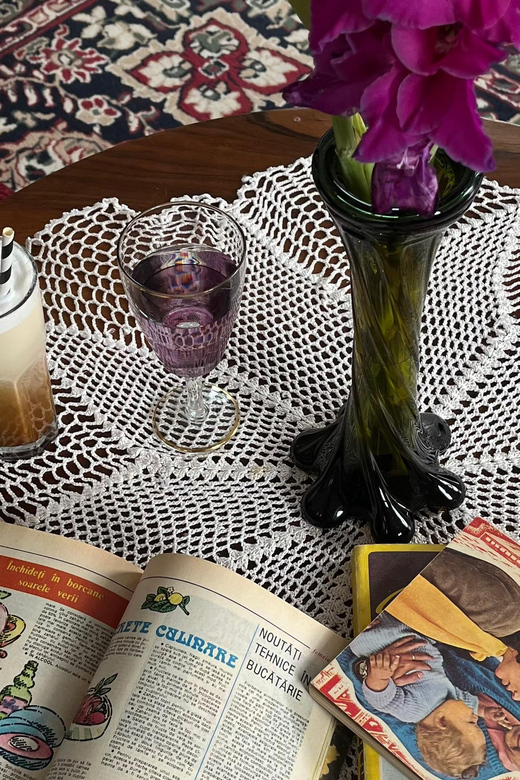
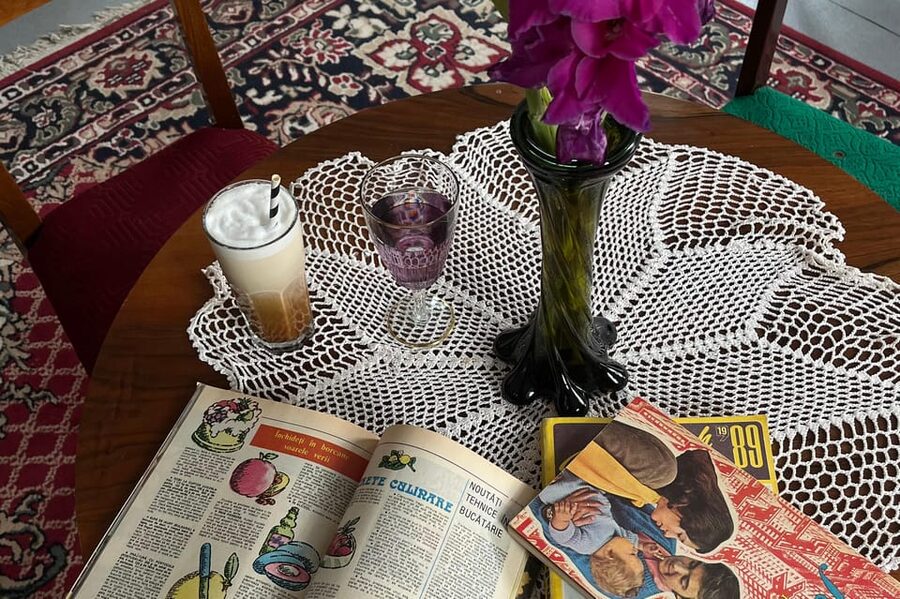
The most unusual part of this Bucharest museum visit is the cup of nechezol, a coffee substitute made popular when real coffee was scarce in 1980s Romania. You drink it from an old cup, seated on the museum’s communist couch, which turns a history lesson into a small, memorable ritual.
I like the freedom to handle many exhibits, from an old typewriter to magazines and clothing. I also like the helpful staff in the rooms, who can answer questions in English and add human detail to the displays. The main drawback is size: you may finish in 45 minutes to one hour, and some displays depend heavily on reading posters.
In This Review
- Key points to know before you go
- A small museum with a very specific hook
- What the visit is like inside
- Typewriters, magazines, and clothing you can touch
- Why the communist coffee matters
- How long should you allow?
- The history needs a little context
- Who will enjoy the interactive format?
- What is included for the $10 price?
- My practical advice for making the most of it
- Should you book the Museum of Communism?
- FAQ
- How long does the Museum of Communism visit take?
- Is communist coffee included in the ticket?
- Where do you drink the communist coffee?
- Can I touch the exhibits?
- Is the museum visit available in English?
- Is the museum suitable for wheelchair users?
Key points to know before you go
- Taste 1980s Romanian coffee: Your ticket includes one cup of nechezol served in the museum living room.
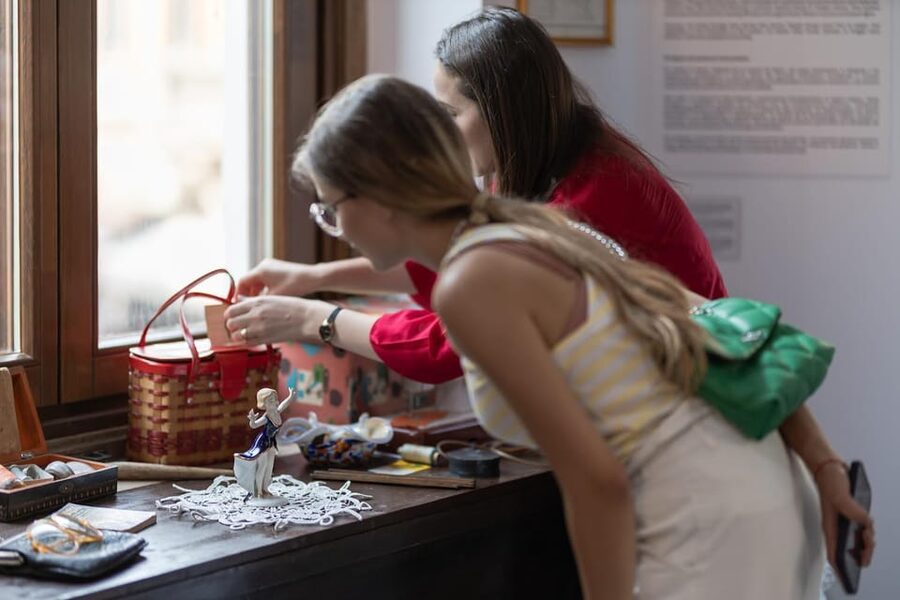
- Handle original-style objects: You can type on an old typewriter, read period magazines, and try on old clothes.
- Expect a compact museum: Plan on roughly 45 minutes to an hour, unless you read every panel carefully.
- Ask the room staff questions: English-speaking guides are available inside the museum rather than leading a long formal tour.
- Best for curious adults and older children: The dressing-up, music, and photo opportunities make it more social than a standard museum.
- Check access needs: The museum is not suitable for wheelchair users.
A small museum with a very specific hook

The Museum of Communism in Bucharest is not trying to be a grand national museum. It is a compact, hands-on stop in the old town, built around the recent history of Romania and the way communist rule shaped daily life.
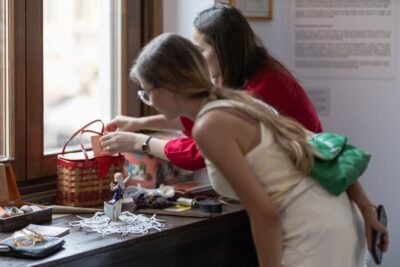
The format matters. Instead of placing every object behind glass, the museum invites you to interact with many of them. You can press the keys of an old typewriter, pick up original magazines, and try on clothing from the period. These simple acts help you picture ordinary life more clearly than a wall of dates alone.
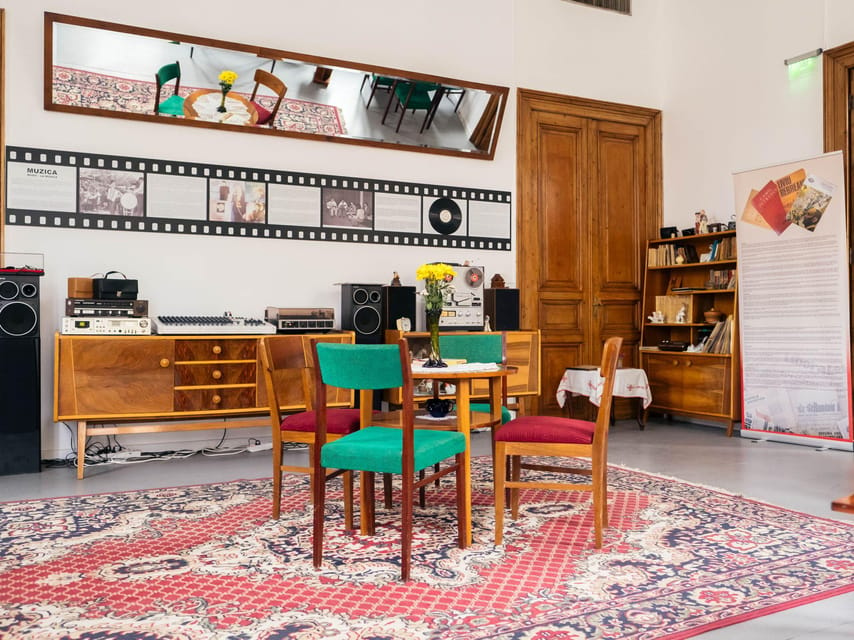
I find that useful when you are learning about a political era that can otherwise feel distant. A typewriter, a cup, a magazine, and a couch show how history appeared in a home, not only in government offices.
Still, keep your expectations in check. This is a small private museum, not a full-scale research institution. One room may hold many posters, and the written material can feel basic if you already know a lot about Romania under communism.
More communism-era tours in Bucharest:
- The Real tour of Communism
★ 5.0 · 666 reviews - Life under Communism
★ 5.0 · 358 reviews - 3-Hour Guided Tour of Communist Bucharest
★ 4.9 · 303 reviews
What the visit is like inside
The experience has no complicated route or long transport connection to manage. You enter the museum and move through rooms filled with objects, images, and information about Romania’s communist period.
The displays focus on the recent history of Romania, including the effect of communism on Bucharest and on ordinary Romanians. You can take your time, read the panels, and stop to ask the English-speaking staff about anything that needs more explanation.
The staff may be the strongest part of the visit. A good exchange can turn a simple display into a useful conversation, especially if you ask about an object rather than simply walking past it. The museum has received particular praise for its young guides’ passion and personal investment in explaining Romania’s past.
That human element is important because the museum’s text is not always enough. If you simply cross the rooms without reading or asking questions, you could finish very quickly. If you read half the posters, handle the objects, and talk with the staff, the visit has more weight.
Typewriters, magazines, and clothing you can touch

The interactive displays give this museum its character. You are not limited to looking at photographs. You can sit or handle objects in ways that encourage you to imagine how they were used.
The old typewriter is an easy favorite. Typing a few words takes only a moment, but it gives you a physical sense of communication before computers and smartphones. The old magazines are useful for another reason. They show the kind of printed material people encountered and give the period a more everyday setting.
Trying on old clothes adds a lighter touch. It creates photo opportunities and can make the visit more enjoyable with friends or family. Music and dressing up also help keep the museum from feeling like a row of silent information boards.
I would not mistake the fun elements for the whole point of the museum. They are tools that help you connect with the subject. The displays work best when you enjoy the playful parts, then pause to consider what the objects say about shortages, routine, work, home life, and public messaging.
The experience may be less satisfying if you want a large collection of rare objects or detailed academic interpretation. The interactive approach is broad and approachable, but it does not replace a serious history book.
Why the communist coffee matters
The included cup of nechezol is more than a free drink. It explains a specific hardship of late communist Romania.
During the final years of communism, Romania imported coffee in very small amounts. Real coffee became difficult to obtain, so a substitute called nechezol appeared. The museum explains this story before giving you a chance to taste it.
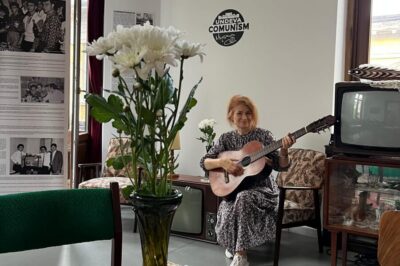
You receive a cup of nechezol and drink it in the museum’s living room, using an old cup while sitting on a communist-era couch. That setting is a clever part of the experience. You are not merely told about scarcity. You taste the substitute and place it in a domestic setting.
The flavor itself may surprise you. One visitor found it quite pleasant and said it was difficult to distinguish from instant coffee. You should not expect a specialist coffee tasting, though. The point is the story, the setting, and the connection to the period, not the quality of the drink.
I like this part because it is brief, affordable, and easy to remember. At $10 per person, the drink also gives the ticket a small extra value beyond admission. It will not justify the visit by itself, but it makes the museum feel more like an experience than a collection of panels.
A different side of the city, same short trip:
- Bucharest: Dracula’s Castle, Peles Castle, & Brasov Old Town
★ 4.5 · 17,858 reviews - Bucharest: Dracula Castle, Peles Castle & Brasov Old Town
★ 4.6 · 10,891 reviews - Bucharest: Dracula’s Castle, Peleș Castle & Brașov Day Trip
★ 4.5 · 5,919 reviews - Bucharest: Palace of Parliament Tickets and Guide
★ 4.3 · 3,182 reviews
How long should you allow?

Plan on 45 minutes to one hour for the museum. That estimate suits a visitor who reads some of the material, tries the objects, takes a few photographs, and has coffee.
You might finish in less time if you move quickly. The museum is small, and one visitor found that a companion crossed the rooms in about five minutes. On the other hand, you could spend longer if you read most of the posters or have a detailed conversation with the staff.
The short length can be an advantage in Bucharest. You can fit the museum between old-town sights, lunch, or an afternoon walk without giving up half a day. It works particularly well when you want one focused history stop rather than a large institution that requires several hours.
The compact format also creates the main weakness. If you expect a full-day museum, you will find the ticket expensive for the time. At $10, I see it as a reasonable short stop, especially because the coffee and interactive elements are included, but not as a major museum investment.
The history needs a little context
The museum presents communism through objects and explanations connected with Romanian life. That makes the subject easier to approach, but the interpretation may not satisfy every reader.
Some of the written material can feel simplistic. Everyday items and habits from the 1950s through the 1990s may be described as specifically communist problems even though similar things existed elsewhere during the same decades. If you want careful comparisons between Romania and other countries, you may need another source alongside this visit.
That does not make the museum useless. It means you should treat it as an introduction and a conversation starter. The staff can help you ask better questions, and the physical objects provide useful prompts.
I would especially encourage you to ask about anything that seems too general. What was specific to communist Romania? What was common across Eastern Europe? Which shortages were political, and which came from wider economic conditions? A short exchange with the museum staff can add balance to the printed material.
The strongest experience comes from combining the displays, the questions, and the setting. The weakest comes from reading only a few broad posters and leaving without engaging with anyone.
Who will enjoy the interactive format?
This museum suits you if you want history in a relaxed, accessible form. It is a good choice for people curious about Romanian daily life, especially if you prefer objects and small activities to long formal lectures.
It can also work well for families with older children, provided they can engage with the subject respectfully. The typewriter, clothes, music, and photo opportunities give younger visitors something to do while adults read.
A group of friends may get more from the visit than a solo visitor. The museum’s playful features invite conversation and pictures. If you are alone, you can still enjoy the material, but the social side may be less rewarding.
I would be cautious about booking it if your main interest is advanced political history. The museum does not appear designed as a specialist archive or a detailed scholarly exhibition. You may prefer a larger institution or a serious book if you already have a strong background in the subject.
It is also not suitable for wheelchair users. That is an important practical limit, so check your access needs before booking.
What is included for the $10 price?
The $10 ticket includes entry to the Museum of Communism and one cup of nechezol. There is no need to budget separately for the drink inside.
For me, the value depends on how you use the hour. If you rush through the rooms, the price may feel high for a small museum. If you handle the displays, ask questions, look closely at the printed material, and take time in the living room, the ticket becomes easier to justify.
The museum also has a clean toilet and a small bar area. There is no gift shop, so do not expect to browse for books or souvenirs after the visit.
The ability to reserve now and pay later is useful if your Bucharest schedule is still changing. Free cancellation is available up to 24 hours before the activity for a full refund. The ticket is valid for one day, with the exact starting time selected from current availability.
My practical advice for making the most of it
Give yourself enough time to read more than the first few panels. The museum is small, but its subject is not. The experience loses much of its value if you treat it as a quick photo stop.
Ask the staff questions in English. The museum’s printed explanations may not cover every distinction you want, while the people in the rooms can help explain the objects and period.
Treat the coffee as part of the story, not as a café break. Notice the cup, the couch, and the idea of replacing scarce imported coffee with nechezol. That short moment is one of the clearest links between the museum’s history and your own experience.
If you are visiting with friends, allow time for the clothing and music. If you are alone, focus more on the magazines, household objects, and conversations with the staff.
Finally, keep your expectations proportional to the size and price. This is a compact old-town museum with an engaging concept, not a complete account of Romanian communism.
Should you book the Museum of Communism?
I would book it if you want an affordable, unusual introduction to Romania’s communist past and have about an hour available in Bucharest. The hands-on objects, English-speaking staff, and included nechezol make it more memorable than a standard poster exhibition.
I would skip it if you need extensive historical detail, a large collection, or a full-day museum. The written interpretation can feel too simple, and a fast reader may finish very quickly.
For most curious visitors, the best reason to go is the combination of ordinary objects and personal questions. Add the coffee served on the old couch, and you get a compact experience that gives Romanian history a taste, texture, and setting.
FAQ
How long does the Museum of Communism visit take?
The visit usually takes about 45 minutes to one hour. You may finish sooner if you move quickly, or spend longer if you read most of the posters and ask the staff questions.
Is communist coffee included in the ticket?
Yes. The ticket includes one cup of nechezol, a coffee substitute associated with the final years of communism in Romania.
Where do you drink the communist coffee?
You drink it in the museum’s living room, from an old cup while sitting on a communist-era couch.
Can I touch the exhibits?
Yes. The museum allows you to interact with many displays, including an old typewriter, original magazines, and period clothing.
Is the museum visit available in English?
Yes. The available language is English, and English-speaking staff are present in the museum to answer questions.
Is the museum suitable for wheelchair users?
No. The activity is not suitable for wheelchair users.
More Museums in Bucharest
- Bucharest: Museum of Senses Entry Ticket
★ 4.2 · 364 reviews - Communism in Bucharest – Landmarks, Museum & Communist Appetizers
★ 5.0 · 111 reviews - Bucharest: Entry ticket at the Museum of Communism
★ 4.6 · 57 reviews - Bucharest: Dinner+Tour at Museum of Communism after closing
★ 4.9 · 46 reviews
Recently added around Bucharest
- 6h Communism Tour in Bucharest with Ceausescu Mansion★ 4.5 · 6 reviews
- From Bucharest : Day Trip to Peles, Dracula’s Castle, Brasov★ 4.7 · 6 reviews
- Bears Sanctuary, Dracula Castle and Brasov City – Full Day Trip from Bucharest★ 5.0 · 6 reviews
- Dracula Private Tour★ 5.0 · 6 reviews
- Transfagarasan Road Private Day Trip from Bucharest / The Best Road in the World★ 5.0 · 6 reviews
- Bucharest : Wednesday, Dracula & Peles 3 Castles Tour 1 Day★ 4.7 · 6 reviews
- Hiking thought the best mountain villages in Romania-Private tour from Brasov★ 5.0 · 6 reviews
- Bucovina Painted Monasteries & Transylvania Tour: 4-Day Private★ 5.0 · 6 reviews
Communism Tours, compared.

Bucharest Essential Tour: Old Town, Calea Victoriei & Communism
Read our review →
Communism in Bucharest – Landmarks, Museum & Communist Appetizers
Read our review →
Dinner+Tour at Museum of Communism after closing
Read our review →Browse the lists this tour appears in