Reviewed · PRIVATE
6 Days Private Tour in Romania Spectacular Places from Bucharest
Romania packs an astonishing range of sights into six days: royal castles, Saxon towns, Dacian ruins, a salt mine, mountain roads, and the castle linked with Dracula. This private tour with Nicolas Experience Tours is built for seeing a lot without managing the driving yourself.
I like the personal format and the freedom to adjust the daily plan. I also like the mix of famous stops, such as Bran Castle and Peles, with less familiar places such as Densus Church and Sarmizegetusa Regia. The main caution is the pace: this is a sightseeing road trip, not a slow holiday, and accommodation, meals, and entrance fees are extra.
In This Review
- Key points at a glance
- What this private Romania tour does best
- Day one: Snagov, Peles Castle, and Sinaia
- Day two: Brasov, Bran, and Rupea
- Day three: Saxon villages and the great citadels
- Day four: Dacian ruins and Corvin Castle
- Day five: Turda Salt Mine, Cheile Turzii, and Cluj
- Day six: the Transfagarasan and Sibiu
- What the $2,140 price delivers
- Who should book this six-day circuit
- Should you book it?
- FAQ
- Is this a private tour?
- Is airport pickup available?
- Are hotels included in the price?
- Are entrance fees included?
- Is food included?
- Can I cancel for a full refund?
Key points at a glance
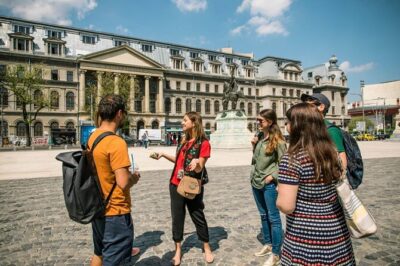
- Nicolas as guide and driver: You have a private English-speaking guide throughout, with airport pickup available and room for questions about Romanian culture and history.
- A broad six-day route: The tour links Bucharest, Sinaia, Brasov, Bran, Sighisoara, Alba Iulia, Hunedoara, Cluj-Napoca, the Carpathians, and Sibiu.
- Private-car flexibility: Only your group takes part, and the itinerary can be adjusted after the tour begins.
- Strong castle selection: Peles Castle, Bran Castle, Corvin Castle, and Poienari Citadel each show a different side of Romania.
- Nature with real variety: You get mountain roads, Cheile Turzii hiking, the Transfagarasan Highway, and the underground world of Turda Salt Mine.
- Plan for added costs: Hotel bookings can be arranged to suit your budget, but accommodation, food, drinks, and admission tickets are not included.
What this private Romania tour does best
This is not a single-region excursion. It is a moving six-day circuit that tries to give you a broad sense of Romania, with Transylvania as its main stage. You pass from royal Romania to medieval Saxon towns, then to Dacian archaeology, mountain scenery, and modern urban life in Cluj-Napoca and Sibiu.
The private setup matters here. A large coach would make this route tiring, especially on days with several stops. In your own car or minibus, you can ask Nicolas to spend more time at a favorite site, make changes to the plan, or take a shorter break when the day has already delivered plenty.
The tour has earned strong praise for its organization, humor, detailed explanations, and personal service. Nicolas has also handled airport pickup, so you can begin with a single point of contact instead of arranging separate transport. His conversations are not limited to dates and names. The available feedback describes lively discussions about Romanian culture and the country’s past, which is useful on a route with so many different eras.
Still, six days is a tight window. Some listed stops are brief, while the driving between regions can take a large part of the day. You should choose this tour because you want variety and coverage. If you prefer lingering in one town, adding cafés, or taking long walks at each site, the schedule may feel crowded.
A few more Bucharest tours worth a look
- Private 6-Day Dracula Tour in Transylvania from Bucharest
★ 5.0 · 4 reviews - 6 Days Transylvania and Bukovina Small Group Tour from Bucharest
★ 4.5 · 3 reviews - Transylvania & Bucovina Private Tour – 6 days
★ 5.0 · 3 reviews
Day one: Snagov, Peles Castle, and Sinaia
The opening day begins with the controversial story of Vlad Tepes at Snagov Monastery. Tradition holds that monks secretly brought his remains to the monastery and buried him in front of the altar. The stop lasts about 90 minutes, giving you time to hear the story and take in the religious setting.
Treat this as a historical and cultural introduction rather than a guaranteed Dracula revelation. The description itself presents the burial story as disputed, which is exactly why the stop works: Romania’s Vlad tradition is full of competing accounts, later legends, and tourism built around a real medieval ruler.
Peles Castle is the day’s major attraction. Built as the Romanian royal family’s summer residence, it is the place to spend your attention if you care about royal interiors, architecture, and decorative detail. The planned visit lasts two hours, a sensible amount of time for a castle that deserves more than a quick photograph.
You will need to pay the admission fee separately. Since the tour does not include entrance tickets, ask Nicolas about current prices and visiting arrangements when you book or before the day begins. That simple step helps you avoid surprises in a full itinerary.
Sinaia Monastery is only about 500 meters from Peles Castle, so the pairing is efficient. The monastery is more than 300 years old and was founded by Prince Mihai Cantacuzino after a pilgrimage to the Holy Land. Its name comes from Mount Sinai, and its setting has earned it the nickname Cathedral of the Carpathians.
The visit lasts about 30 minutes. That is enough for a look at the site and its setting, but not a long religious visit. Dress and behave respectfully in this Orthodox place of worship, and remember that entrance charges are not covered.
Day two: Brasov, Bran, and Rupea
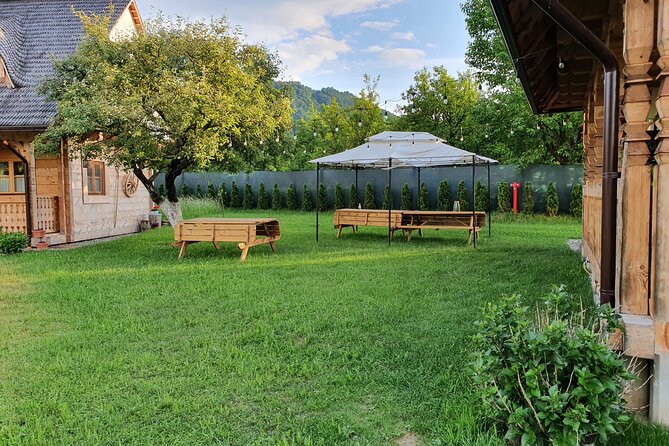
Brasov gives you a two-hour break to explore the historic center and have lunch. This is one of the more useful pauses in the program because the town offers a change from castles and monasteries. You can walk, eat, and get a feel for a living mountain city instead of rushing from one monument to another.
The schedule calls this a break, so do not expect an exhaustive Brasov tour. Use the time well. If lunch matters to you, keep an eye on the clock, since Bran Castle and Rupea Fortress still follow.
Bran Castle is the tour’s most obvious Dracula stop. Its fame comes from the connection between the castle and Bram Stoker’s fictional vampire, but the building itself is a Romanian landmark worth seeing beyond the legend. You have two hours here, with admission extra.
I like that the tour treats Bran as part of the wider Transylvanian story rather than the whole point of Romania. The castle is popular, and this can be the busiest-feeling stop on the route. Go in expecting a famous attraction, not an untouched medieval fortress.
Rupea Fortress adds a different note. This 14th-century stronghold was restored in 2008 and is presented as a reconstruction that recalls its earlier form. One hour is planned here. It is a good contrast with Bran because the focus shifts from Dracula branding to defensive architecture and the practical purpose of a hilltop fortress.
Day three: Saxon villages and the great citadels
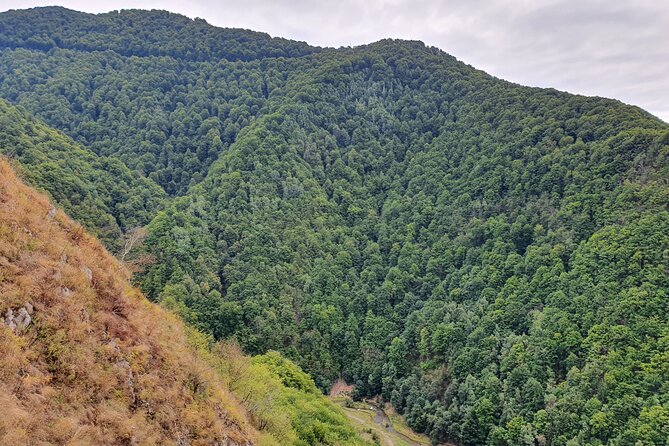
Biertan Fortified Church is one of the route’s most distinctive stops. The settlement dates back to 1224, and the church sits on a hill in the center of town, protected by three defensive walls and seven bastions. It is a UNESCO World Heritage site, but its value is not just the official label. The fortifications show how worship and defense were tied together in Transylvanian Saxon communities.
The planned visit is one hour. That works for a first look, though you may wish the schedule offered more time for quiet exploration. The setting is especially important here, so do not spend the entire stop indoors.
Alba Iulia brings you to the Alba Carolina citadel, a large Vauban-style fortress with a seven-corner star design. Three lines of fortification surround the complex, making it one of the most important military works on this route and one of the largest of its type in Eastern Europe.
You have two hours, enough to appreciate the scale and walk through the planned fortress area. This is a good stop for you if you enjoy military design, urban planning, and the way a city can grow inside old defenses.
Sighisoara gets a longer look through two separate stops. The Clock Tower visit lasts 45 minutes. Its structure developed over several periods, beginning as a gate tower and later gaining additional floors, a balcony, and a baroque roof after a fire in 1676. The thick lower walls and layered construction make it more interesting than a simple tower viewpoint.
The historic center is scheduled for two hours, but the description calls it a photo stop. That distinction matters. You will see the main character of Sighisoara and learn about its past, but the exact amount of free wandering may depend on the day’s timing.
Sighisoara is one of the places where I would ask Nicolas early if you can protect enough time for walking. The town’s appeal comes from its streets, buildings, and atmosphere as much as from the Clock Tower itself.
A different side of the city, same short trip:
- Bucharest: Dracula’s Castle, Peles Castle, & Brasov Old Town
★ 4.5 · 17,858 reviews - Bucharest: Dracula Castle, Peles Castle & Brasov Old Town
★ 4.6 · 10,891 reviews - Bucharest: Dracula’s Castle, Peleș Castle & Brașov Day Trip
★ 4.5 · 5,919 reviews - Bucharest: Palace of Parliament Tickets and Guide
★ 4.3 · 3,182 reviews
Day four: Dacian ruins and Corvin Castle
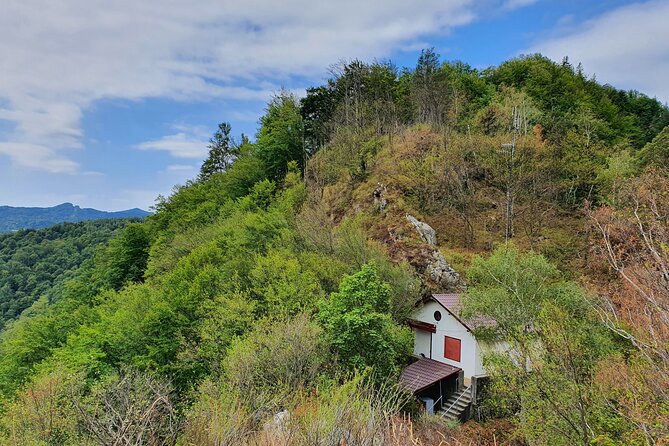
Densus Church is a small, unusual piece of Romanian architecture. It was built over the ruins of a structure from the fourth century and developed through several building stages, with final changes made in the 13th century. Inside, you can see mural paintings dating to 1443.
The church’s mixture of periods is the point. It is not a polished royal monument. It is an old religious building shaped by layers of use and rebuilding. The stop lasts 45 minutes, and entrance is not included.
Sarmizegetusa Regia takes you further back, to the capital of the Dacian Kingdom. The site served as a military, political, and religious center. With two hours planned here, you get a chance to connect the ruins with the Dacians, one of Europe’s ancient civilizations and an important part of Romanian identity.
This is one of the tour’s less predictable choices, and I value it for that reason. The visit is about archaeology and place, not just dramatic interiors. You should be ready for a more open-air experience and for the possibility that weather affects your comfort.
Corvin Castle, also called Huniade Castle or Corvin Castle, brings you back to the medieval period. It is one of the largest castles in Europe and has served different functions since the 15th century. After a major fire, it went through extensive restoration and now operates as a museum.
You have 90 minutes. That is enough to see the main structure, but the castle could easily absorb more time if you enjoy rooms, towers, and architectural details. Admission is extra, so budget for it with the other major castles.
Day five: Turda Salt Mine, Cheile Turzii, and Cluj
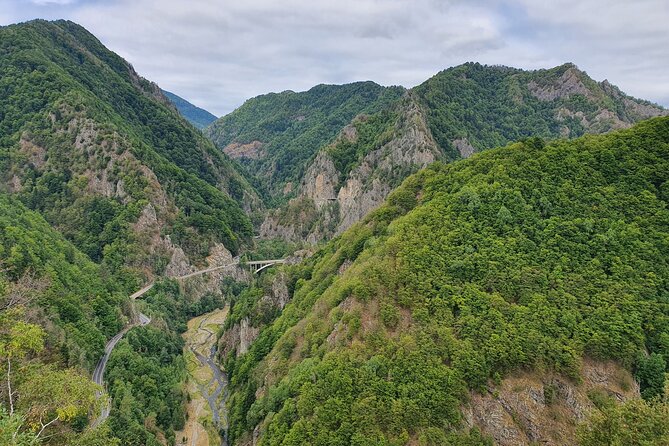
Turda Salt Mine is among the tour’s most unusual attractions. Salt mining here reaches back thousands of years, and the underground complex includes the former Iosif, Terezia, and Rudolf mines. You can also see old mining machinery, including the crivac, or gepel, a salt mill, an altar cut into the salt wall, and the Stairway of the Rich with its detailed woodwork.
The visit lasts two hours. The mine offers a change in temperature and mood after several days of outdoor monuments and castles. The saline air is also described as useful for people with respiratory issues such as allergies or asthma, but you should treat that as a feature of the environment, not a medical promise.
Cheile Turzii gives you two hours for a nature walk and the chance to look for wild birds. The exact demands of the hike are not specified, so ask about current conditions and the intended route. Wear practical shoes, especially if you want to make full use of the walking time.
The Alexandru Borza Botanical Garden in Cluj-Napoca covers more than 14 hectares and contains over 10,000 plants. Its Japanese Garden includes a stream and Japanese-style house, while the Roman Garden has archaeological remains from the former Roman colony of Napoca, including a statue of Ceres.
The garden visit lasts an hour and requires a separate ticket. It is a pleasant counterpoint to the salt mine and mountain hiking, but the day remains busy.
Cluj-Napoca’s Union Square appears twice in the schedule, each time for one hour. The square is the city center’s main public space, with St. Michael’s Church and the statue of King Matthias Corvinus. St. Michael’s has an 80-meter tower and is one of Romania’s largest Gothic churches.
Because the same square is listed twice, confirm how the time will be used. It may be an itinerary duplication, or the day may allow two separate looks. Either way, do not expect a full city tour from two one-hour stops.
Day six: the Transfagarasan and Sibiu
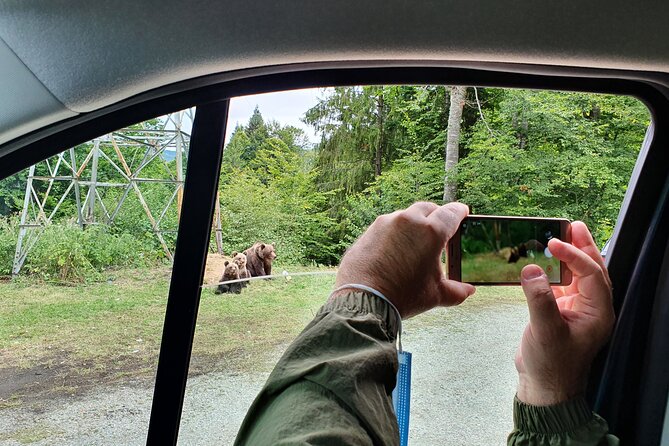
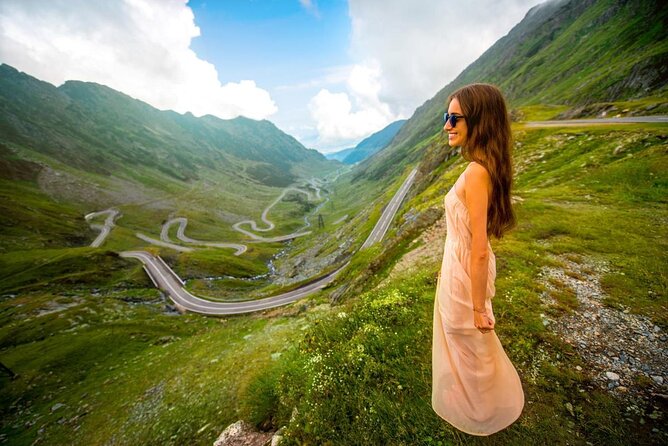
The Transfagarasan Highway is the final day’s headline. The paved mountain road is famous for its dramatic views and was featured on Top Gear, which called it the most beautiful road in the world. Two hours are planned for the experience, though road conditions and the season can affect access and timing.
This is a scenic drive, not a simple transfer. Keep your camera ready, but also accept that mountain weather can change the feel of the stop. The tour description specifically frames the best scenery as seasonal, so confirm the expected road conditions before you rely on this as the trip’s grand finale.
At Calimanesti, the program points toward Cozia Monastery and the area’s mineral springs. Cozia has been protected for more than 600 years by the Olt River and Mount Cozia. The stop lasts an hour and is listed as free.
The nearby spring water is linked with traditional claims about liver problems and with Napoleon III. You can treat the water as part of the local story, but do not replace medical advice with a sightseeing stop.
Poienari Castle requires a serious climb of 1,400 steps. This is the real physical test of the tour and the place associated with Vlad the Impaler’s retreat during Ottoman threats. Two hours are allowed, including the climb and time for photographs.
If stairs are difficult for you, ask about the current access arrangements before booking. The tour says most people can participate, but 1,400 steps is still a major consideration.
Vidraru Dam is a short 30-minute stop. It offers views of the reservoir and a look at one of Romania’s major engineering works. After the dam, the route reaches Sibiu, where you visit Piata Mare and Union Square, also known as the area around the Small Square and the Bridge of Lies.
Piata Mare gives you a broad Renaissance-era urban space. The second Sibiu stop covers a more complex area divided by Ocnei Street, with buildings dating from the 14th to the 16th century. One hour is planned at each location, making Sibiu a useful final city walk after the mountain road.
What the $2,140 price delivers
At $2,140.17 per person, this is an expensive tour if you compare it with a basic group bus trip. The price makes more sense if you are sharing the cost with friends or family and value a private vehicle, a dedicated guide, fuel, parking, tolls, Wi-Fi, and flexible planning.
The guide’s accommodation, meals, and entrance fees are included. Your own hotel, meals, drinks, and attraction tickets are not. Nicolas can recommend hotels according to your budget and book them for you, but confirm exactly what you will pay before the trip begins.
Group discounts may improve the value for a larger private party. The biggest benefit is time and control. You are not paying only to be transported between sights. You are paying to have someone else handle the road network, explain the places, and adjust the plan when possible.
Who should book this six-day circuit
I would choose this for a first substantial visit to Romania, especially if you want castles and medieval towns but also care about archaeology, nature, and food stops along the way. It suits families, couples, and friends who want a private experience rather than a fixed group schedule.
It is also a good fit if you enjoy asking questions. Several people who used the service praised Nicolas’s humor, detailed explanations, enthusiasm, and ability to make long drives feel more social through conversation.
I would hesitate if you want a restful base-based holiday. The marketing language promises relaxation, but the actual plan is active and road-heavy. You will change regions, visit many sites, manage separate admission fees, and face a demanding climb at Poienari.
Free cancellation is available up to 24 hours before the start time. Cancellations within 24 hours are not refunded, and late changes are not accepted.
Should you book it?
Book this tour if your priority is seeing the greatest possible range of Romania in six days with a private guide and driver. The route has real variety, and Nicolas’s personal approach is a major part of its appeal.
Before paying, ask for the final hotel plan, the estimated entrance costs, the expected daily driving times, and the seasonal status of the Transfagarasan Highway. If you accept the brisk pace and extra expenses, this can be a powerful first look at Romania. If you want long, lazy stays in Brasov, Sighisoara, or Sibiu, choose a slower itinerary instead.
FAQ
Is this a private tour?
Yes. Only your group participates, and transport is provided by a private car or minibus. A licensed English-speaking guide and driver is available throughout the tour.
Is airport pickup available?
Yes. Pickup is offered, and the tour information states that airport pickup can be part of the service.
Are hotels included in the price?
No. Accommodation is not included. Nicolas can recommend hotels based on your budget and arrange bookings, but you pay for your own accommodation.
Are entrance fees included?
No. Entrance fees listed for places such as Peles Castle, Bran Castle, Corvin Castle, Turda Salt Mine, and Poienari Castle are paid separately.
Is food included?
No. Your meals and beverages are not included. The guide’s accommodation and meals are included in the tour arrangements.
Can I cancel for a full refund?
Yes, if you cancel at least 24 hours before the experience start time. Cancellations made within 24 hours are not refunded, and changes made within that period are not accepted.
Recently added around Bucharest
- Bears Sanctuary, Dracula Castle and Brasov City – Full Day Trip from Bucharest★ 5.0 · 6 reviews
- 6h Communism Tour in Bucharest with Ceausescu Mansion★ 4.5 · 6 reviews
- From Bucharest : Day Trip to Peles, Dracula’s Castle, Brasov★ 4.7 · 6 reviews
- Dracula Private Tour★ 5.0 · 6 reviews
- Transfagarasan Road Private Day Trip from Bucharest / The Best Road in the World★ 5.0 · 6 reviews
- Bucharest : Wednesday, Dracula & Peles 3 Castles Tour 1 Day★ 4.7 · 6 reviews
- Hiking thought the best mountain villages in Romania-Private tour from Brasov★ 5.0 · 6 reviews
- Bucovina Painted Monasteries & Transylvania Tour: 4-Day Private★ 5.0 · 6 reviews
Private, compared.

Castles of Transylvania: Private Day Trip from Bucharest
Read our review →
Dracula’s Castle, Peles Castle and Brasov – Private Day Trip from Bucharest
Read our review →
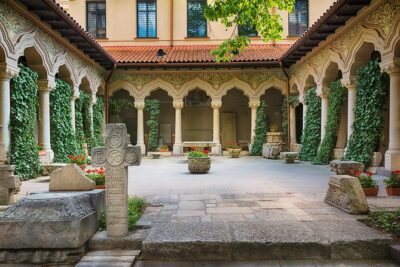
Bucharest Panoramic Sightseeing – Private City Tour
Read our review →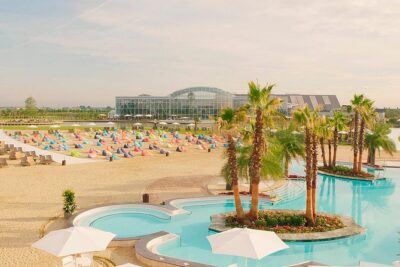
THERME “Take It Easy” Pack: Full Spa Access + Private Transfers
Read our review →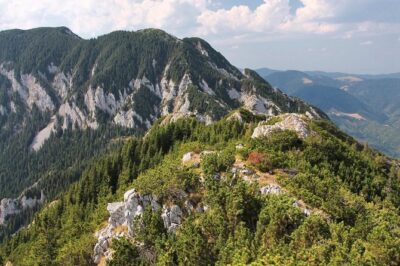
Piatra Craiului National Park Private Hiking Tour from Brasov
Read our review →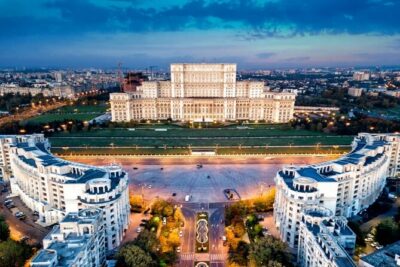
4h Bucharest Private Tour (2h by Car and 2h Walking in Old Town)
Read our review →