
Reviewed · DRACULA & BRAN CASTLE TOURS
4-Day Transylvania and Dracula Tour from Bucharest
Dracula is only the doorway into this four-day journey. The real reward is seeing medieval Saxon towns, fortified churches, royal castles, Orthodox monasteries, and the countryside between Bucharest and Transylvania. Sibiu, Sighisoara, and Brasov give you three very different town experiences, while Bran Castle supplies the famous Gothic headline.
I especially like the broad range of sites packed into the route and the fact that you sleep three nights on the road instead of returning to Bucharest each evening. I also like the small-group format, with a maximum of 15 people, and the flexible guiding style associated with guides such as George and Liviu.
The main thing to weigh is the amount of time spent in the vehicle. Transylvania is spread out, and this route covers a lot of ground in four days. Entrance fees are extra, and the tour information is not fully clear about whether a guide is included throughout, so confirm that detail before paying.
In This Review
- Key points to know before booking
- Why this route works for first-time visitors
- Day 1: Cozia Monastery and Sibiu’s three squares
- Day 2: Corvin Castle and Alba Iulia’s national story
- Day 3: Sighisoara’s living citadel and Brasov’s Black Church
- Day 4: Bran, Peles, and the final Dracula stop
- The guide, vehicle, and pace
- What the $1,023.50 price really covers
- Who should book this Transylvania circuit?
- FAQ
- Where does the tour start?
- How long does the tour last?
- Is hotel pickup included?
- What transportation is used?
- Are entrance fees included?
- Is a tour guide included?
- Are meals included?
- Is there a single-room supplement?
- Is the tour suitable for children?
- Should you book it?
Key points to know before booking
- Sibiu gives you the best medieval-town introduction, with three central squares, fortified towers, museums, and the famous houses with eyes.
- The Dracula theme is paired with real Romanian history, including Snagov Monastery, Bran Castle, Vlad the Impaler, and the royal story of Peles Castle.
- You visit four major Transylvanian towns and cities, Sibiu, Alba Iulia, Sighisoara, and Brasov, plus several major castles and churches.
- Long drives are part of the deal, but they let you see much more of Romania than a short Bucharest day trip.
- The price includes hotels, transport, and three breakfasts, but castle and monument admission fees are not included.
- A maximum of 15 people keeps the group manageable, while private or tailored guiding may require clarification and an added fee.
Why this route works for first-time visitors
This is a sightseeing-heavy circuit designed for you if you want Transylvania in one concentrated trip. Instead of focusing only on Bran Castle, it connects the Dracula story with the places that make the region interesting in its own right: German-influenced towns, Romanian royal architecture, military citadels, churches, and mountain roads.
The route also gives you a useful contrast between Wallachia and Transylvania. Cozia Monastery and Snagov belong to the Wallachian side of the story, while Sibiu, Sighisoara, Brasov, and the fortified citadel of Alba Iulia show the cultural and political mix farther west.
You receive three nights of accommodation and breakfast each morning. That matters here. The distances are too great for a relaxed day trip from Bucharest, and staying near the route lets you start the next day closer to the sights rather than spending every morning on the same road.
The experience is listed at $1,023.50 per person. That is a serious price, but it covers transport, three nights of lodging, and three breakfasts. The value depends on how much you appreciate having the driving, hotel changes, and route planning handled for you. You will still need to budget for entrance tickets, tips, lunch, dinner, and a possible single-room supplement of 70 euros, payable locally in cash.
More Dracula and Bran Castle trips:
- Bucharest: Dracula’s Castle, Peles Castle, & Brasov Old Town
★ 4.5 · 17,858 reviews - Bucharest: Dracula Castle, Peles Castle & Brasov Old Town
★ 4.6 · 10,891 reviews - Bucharest: Dracula’s Castle, Peleș Castle & Brașov Day Trip
★ 4.5 · 5,919 reviews
Day 1: Cozia Monastery and Sibiu’s three squares
The first day combines a short monastery visit with a longer stay in Sibiu. Cozia Monastery sits in the Olt Valley and dates from the fourteenth century. It was founded by Mircea the Elder and later restored by a Cantacuzino. Your visit lasts about 30 minutes, so think of it as a focused stop rather than a full religious-history tour.
Look for the Armenian-style decoration on the facade and the frescoed interior. The monastery gives you an early reminder that this trip is about more than vampires and castle towers. It connects the road to the medieval rulers of Wallachia and prepares you for the later Vlad-related sites.
Sibiu receives about three hours, which is enough for a good orientation walk and some free time. The city’s heart is formed by Big Square, Small Square, and Huet Square, each with a different feel. Big Square is the broad ceremonial space, while the smaller squares lead you into lanes, towers, churches, and older homes.
The city was founded and shaped by Romanian and Saxon communities, and its religious buildings reflect Catholic, Orthodox, and Protestant traditions. That mix gives Sibiu a more layered feel than a single-style medieval town. The city was named European Capital of Culture in 2007 and is also known for its annual theater festival.
Keep an eye on the rooftops. Sibiu’s famous houses with the eyes have narrow roof windows that look surprisingly like faces watching the street. You will also see remnants of fifteenth-century defenses, museums, towers, and one of Transylvania’s largest Gothic evangelical churches.
Three hours passes quickly. If you enjoy photography, old town details, and wandering without a fixed indoor schedule, Sibiu may be one of your favorite stops. If you want a long museum visit or a slow restaurant meal, you may find the timing tight.
Day 2: Corvin Castle and Alba Iulia’s national story
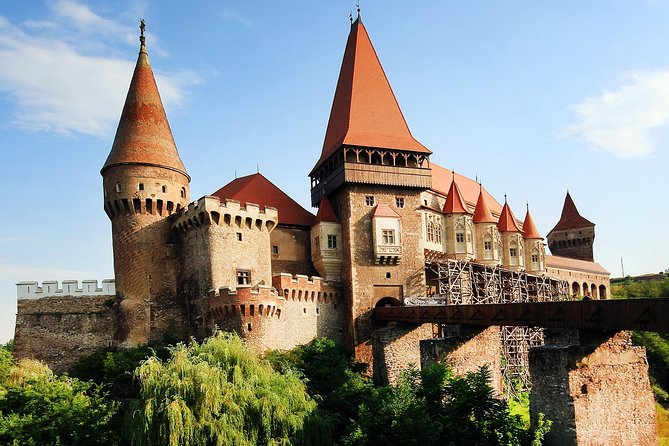
Corvin Castle, also called the Castle of the Corvini, is one of the most theatrical buildings on the route. Its Gothic form, towers, and dramatic setting explain why it has been used for historical films. You have about an hour here, and the admission fee is not included.
That extra cost is worth considering before you arrive. Corvin Castle is a major visual highlight, but an hour does not leave much room for lingering if you want a full interior visit and photographs outside. Ask your guide how the timing works on your departure date, since traffic and ticket lines can affect the visit.
The castle also gives you a chance to learn about the Corvini family rather than treating the building as a simple Dracula backdrop. Its story belongs to the political world of medieval Transylvania, with powerful families, shifting borders, and fortified residences.
Next comes Alba Iulia, where you have about two hours. The city is important to modern Romanian history because the Great Romania event took place here on December 1, 1918. The citadel, walls, and museums make the city easy to read as a place of ceremony and national memory.
Alba Iulia is less about narrow medieval lanes and more about a large fortified complex with a strong historical message. It is a useful change of pace after the castle. You can walk the walls, take in the military design, and place Romanian state history alongside the older Saxon and Hungarian influences seen elsewhere.
This day is likely to include a fair amount of road time. That is not a flaw in the route so much as a fact of Romanian geography. The payoff is reaching places that are difficult to combine by public transport in only four days.
Day 3: Sighisoara’s living citadel and Brasov’s Black Church
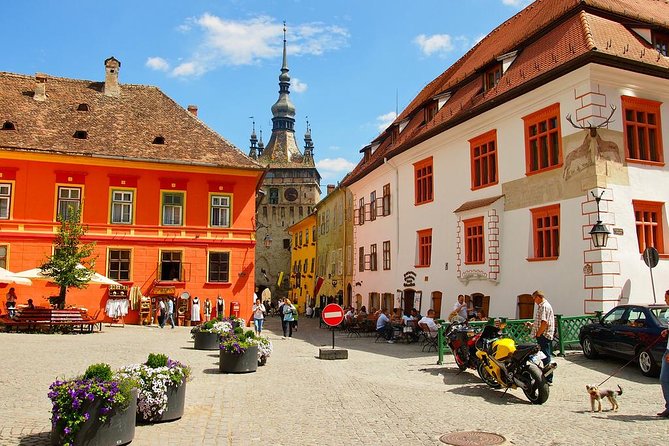
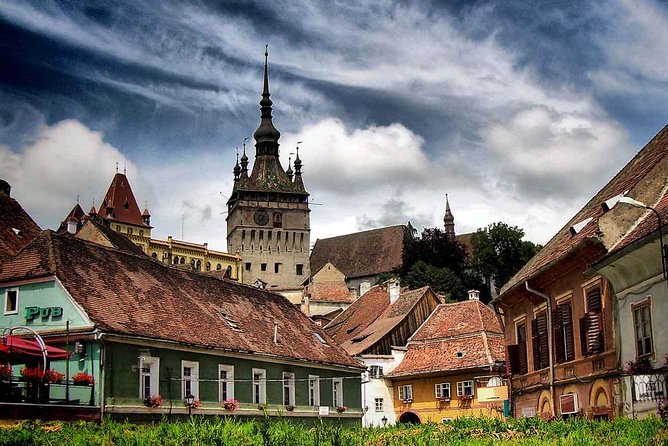
Sighisoara is one of the most rewarding stops because its historic center is still inhabited. The citadel is described as one of Europe’s best-preserved medieval centers, and UNESCO has listed the historic area since 1999.
You have about two hours here. Start with the Clock Tower, the city’s most recognizable landmark, then follow the streets through the old citadel. The wooden Scholars’ Staircase leads uphill to the church on the hill. It is a worthwhile climb, but the stairs can make comfortable shoes especially useful.
The town also reflects its Hungarian and German past. You can see the statue of Hungarian poet Petofi Sandor, the Catholic church associated with the Hungarian community, and the Shoemakers’ Tower. These details help you see Sighisoara as a lived-in Central European town rather than a staged medieval attraction.
Lunch at the house associated with Vlad the Impaler’s birth is possible at your own expense. This is one of the clearest moments where the historical Vlad and Bram Stoker’s fictional Dracula meet. Keep the distinction in mind: the Dracula legend is tied to Stoker’s 1897 novel, while Vlad was a real fifteenth-century ruler.
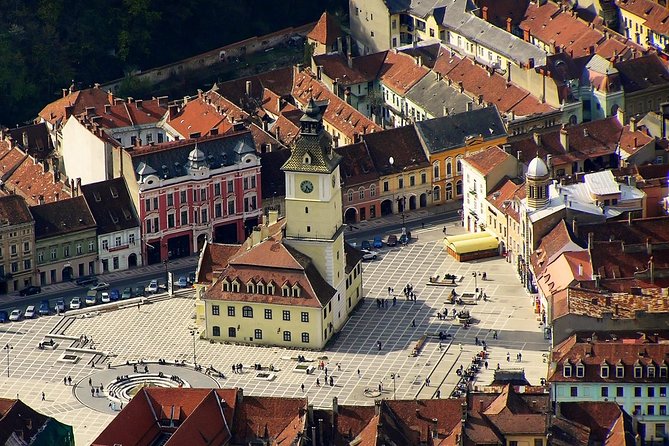
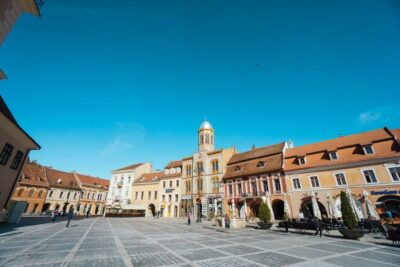
Brasov receives about three hours, giving you more time to walk and absorb the city. Once fully fortified, Brasov became a major cultural, commercial, and religious center. Its architecture shows German influence alongside Gothic, Baroque, and Renaissance details.
The Schei district is especially useful for understanding how people entered the old city in medieval times. You will see Catherine’s Gate and Schei Gate, with the latter dating from the nineteenth century. The old center then opens into Council Square and Republic Avenue, a pedestrian route lined with restored houses and palaces.
The Black Church is the main architectural visit. It is the largest evangelical Gothic church in Eastern Europe, with a 65-meter bell tower and a length of 90 meters. Inside, its nineteenth-century mechanical organ is a notable feature. Admission details can vary by arrangement, so ask what is covered before entering.
Brasov is also a good place for dinner or a short evening walk if your overnight location allows it. The schedule gives you a solid first look, but not enough time to cover every lane, museum, and church. I would prioritize the Black Church, Council Square, the old gates, and the Schei district.
More Transylvania day trips:
- Transylvania and Dracula Castle Full Day Tour from Bucharest
★ 4.5 · 1,589 reviews - Castles of Transylvania: Private Day Trip from Bucharest
★ 4.5 · 248 reviews - 2-Day Medieval Transylvania with Brasov,Sibiu and Sighisoara Tour from Bucharest
★ 4.5 · 145 reviews - Transylvania: Dracula’s Castle and Birthplace Tour
★ 4.8 · 123 reviews
Day 4: Bran, Peles, and the final Dracula stop
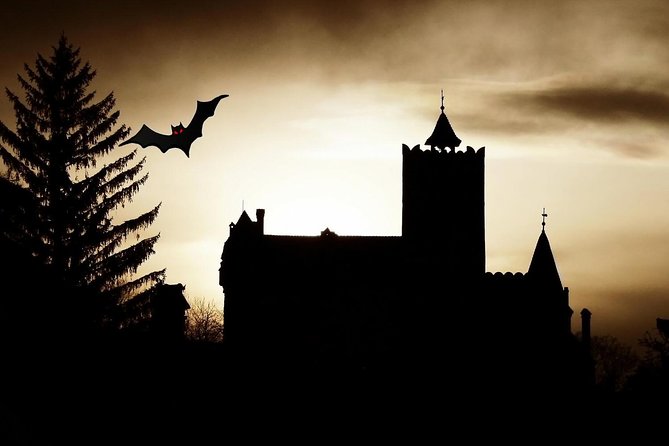
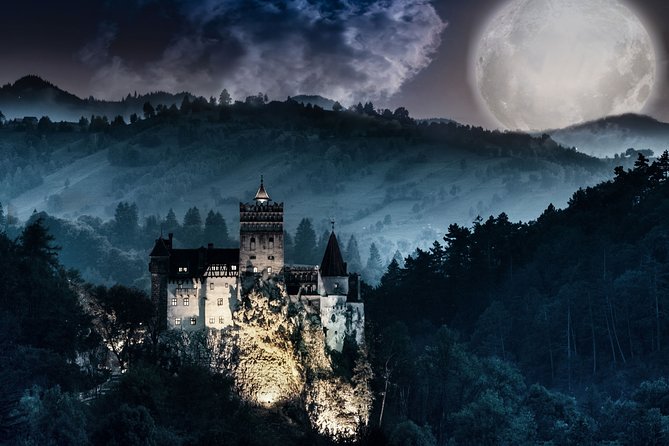
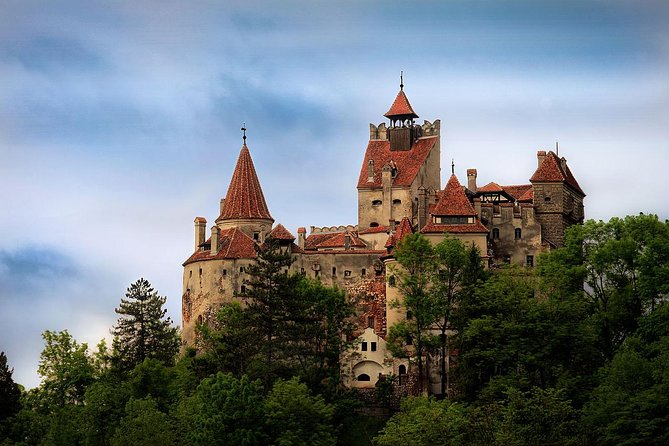
Bran Castle is the tour’s headline attraction. It sits about 25 kilometers from Brasov at the entrance to the Bran-Rucar passage. The castle’s Dracula fame comes mainly from Bram Stoker’s 1897 novel and later film versions, not from a direct connection to the fictional character.
The real building has a strong history of its own. Documents mention Bran Castle in 1377, and it served a strategic purpose on the border between Transylvania and Wallachia. It was linked at different times with Sigismund of Luxembourg, Mircea the Elder, Vlad Tepes, and the city of Brasov. In 1912, the municipality gave the castle to the Romanian royal family as a residence.
You get about two hours here, but admission is not included. That allows enough time to explore the castle and enjoy the setting, though crowds and ticket lines may affect how much interior time you have. Go for the real architecture and border history as much as for the Dracula branding.
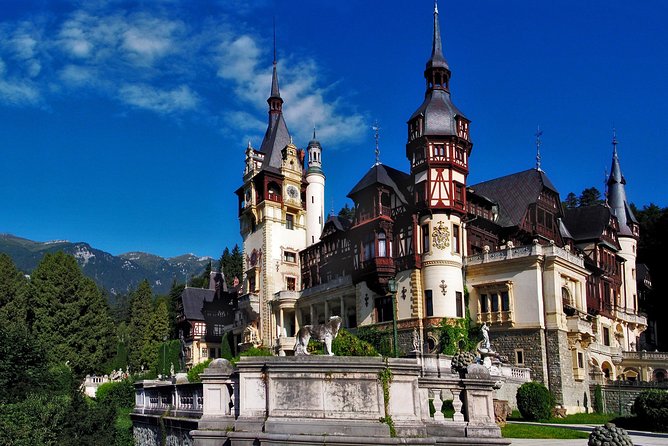
Peles Castle offers a very different mood. Built as the summer home of Romania’s first king, Charles I of Hohenzollern, it reflects royal taste and late nineteenth-century technology. Construction took place between the nineteenth and twentieth centuries, and the building was considered one of the most modern castles in Europe at the time.
The interiors are particularly unusual because each room uses a distinct style. The Florentine room brings a Renaissance and Italian feel, while other spaces follow different decorative ideas. You receive about two hours, and admission is extra. Peles is not a horror setting. It is a chance to see how Romania’s monarchy presented itself through architecture, craft, and comfort.
The last stop is Snagov Monastery, located on a small island in Lake Snagov near Bucharest. The monastery is associated with Vlad the Impaler’s burial in 1476. You have about an hour here, and admission is not included.
Snagov works best as a closing chapter to the Vlad story. After seeing the fictional Dracula associations at Bran and the royal world at Peles, the monastery brings you back to the historical figure. The island setting also gives the final stop a quieter feel than the larger castles.
The guide, vehicle, and pace
The tour is capped at 15 people and uses an air-conditioned vehicle. That is a useful middle ground: smaller and more personal than a large coach, but not necessarily as private as a one-party car tour.
The strongest guiding experiences described for this route are linked with George and Liviu. George is praised for adjusting the pace, suggesting local restaurants, handling special needs, and answering questions beyond the scheduled stops. Liviu is described as funny, flexible, and good at explaining the places along the way. Alex is also connected with the tour operation.
There is an important detail to clarify. The tour information says a private guide is included in the highlights, but the additional notes say no guide will follow the whole tour and that local guides can be arranged for an extra fee. Ask specifically if your booking includes a driver-guide, a private guide, or only transport with local guiding available at certain sights.
That question matters because the trip covers a lot of historical ground. A strong guide can connect Vlad, the Saxon towns, the royal family, and Romanian national history into one clear story. Without that help, you will still see excellent places, but the experience may feel more like transport between monuments.
Several people who took the route found the driving longer than expected. That is useful warning, especially for families with young children or anyone who dislikes road journeys. On the positive side, the air-conditioned vehicle and smooth driving make the long sections easier, and a small group gives you a better chance of asking for practical stops or timing adjustments.
The route has also worked well for families with teenagers and for a guest with mobility limitations, thanks to a flexible guide. Still, the itinerary includes stairs, historic streets, castle interiors, and uneven surfaces. Comfortable walking shoes are recommended, and you should discuss mobility needs before booking.
What the $1,023.50 price really covers
The package includes three nights of accommodation, transport, and three breakfasts. Hotel locations have been praised for being convenient, and the lodging is described as comfortable and sometimes notably good. Since you change areas as the route progresses, included hotels save you the trouble of arranging several separate stays.
The price does not include entrance fees. You should plan extra money for Corvin Castle, Bran Castle, Peles Castle, Snagov Monastery, and any other paid site included on the day. Lunch and dinner are also separate, although the guiding style associated with George includes recommendations for local restaurants.
Tips for the guide are not included. A single-room supplement of 70 euros is payable locally in cash. Those costs can move the final total well above the headline price, so compare the full expected amount with the cost of renting a car, booking hotels, and arranging separate day tours.
I would call the package a convenience buy rather than a budget tour. It makes sense if you value door-to-door pickup, a planned route, overnight stays, and someone else handling the long drives. It makes less sense if you prefer slow travel, public transport, or choosing your own hotel and meal schedule.
Who should book this Transylvania circuit?
I would recommend it to a first-time Romania visitor who has four days and wants a strong overview. It is also a good fit for solo visitors who want company and transport, families with older children, and anyone whose main interests are castles, medieval towns, churches, and Dracula lore.
You will get the most from it if you enjoy full sightseeing days and accept that some stretches are spent on the road. The route is broad rather than leisurely. You see many major places, but you do not get a whole free day in any one town.
I would hesitate if your main goal is a slow stay in Brasov or Sighisoara, extensive museum time, or an in-depth castle tour at every stop. I would also clarify the guiding arrangement, ticket costs, hotel names, and pickup time before booking. The published information gives both 8:30 a.m. and 9:00 a.m. as possible start times, so confirm the exact collection time with the operator.
The experience is non-refundable, and changes are not allowed after booking. If the minimum number of participants is not reached, the operator says you will be offered another date or experience, or a full refund.
FAQ
Where does the tour start?
The tour starts in Bucharest, with pickup from your hotel. The stated start times are 8:30 a.m. and 9:00 a.m., so confirm the exact pickup time when booking.
How long does the tour last?
The tour lasts approximately four days and includes three nights of accommodation.
Is hotel pickup included?
Yes. Pickup from your hotel in Bucharest is offered, and drop-off at your hotel is also provided.
What transportation is used?
Transport is provided in an air-conditioned vehicle. The group size can be up to 15 people.
Are entrance fees included?
No. Entrance fees are not included for the paid attractions and must be paid separately.
Is a tour guide included?
The tour highlights mention a private guide, but the additional information says no guide will follow the entire tour and that local guides can be arranged for an extra cost. Confirm the guiding arrangement before booking.
Are meals included?
Three breakfasts are included. Lunches and dinners are not included.
Is there a single-room supplement?
Yes. A single-room supplement of 70 euros must be paid locally in cash.
Is the tour suitable for children?
Children must be accompanied by an adult. Most people can participate, but the route includes walking, stairs, castles, and historic streets, so discuss specific mobility needs before booking.
Should you book it?
Book this tour if you want a well-packed introduction to Transylvania and prefer a planned circuit over arranging several hotels, trains, and day trips yourself. The combination of Sibiu, Sighisoara, Brasov, Alba Iulia, Corvin Castle, Bran Castle, Peles Castle, Cozia Monastery, and Snagov Monastery gives you far more than a quick Dracula outing.
Before paying, confirm the guide arrangement, pickup time, hotel details, and expected entrance costs. If you are comfortable with long drives and a brisk schedule, the route offers strong coverage and useful historical context. If you want quiet mornings and extended time in one town, choose a slower independent itinerary instead.
More 4-Day Experiences in Bucharest
- 4-Day Private Tour in Transylvania from Bucharest
★ 5.0 · 48 reviews - Transylvania Castles 4-day tour from Bucharest
★ 5.0 · 31 reviews - 4 Days Private Tour in Transylvania: Sibiu, Sighisoara and Brasov
★ 5.0 · 18 reviews - 4-Day Private Tour of Transylvania from Bucharest
★ 5.0 · 16 reviews
Recently added around Bucharest
- 6h Communism Tour in Bucharest with Ceausescu Mansion★ 4.5 · 6 reviews
- From Bucharest : Day Trip to Peles, Dracula’s Castle, Brasov★ 4.7 · 6 reviews
- Bears Sanctuary, Dracula Castle and Brasov City – Full Day Trip from Bucharest★ 5.0 · 6 reviews
- Dracula Private Tour★ 5.0 · 6 reviews
- Transfagarasan Road Private Day Trip from Bucharest / The Best Road in the World★ 5.0 · 6 reviews
- Bucharest : Wednesday, Dracula & Peles 3 Castles Tour 1 Day★ 4.7 · 6 reviews
- Hiking thought the best mountain villages in Romania-Private tour from Brasov★ 5.0 · 6 reviews
- Bucovina Painted Monasteries & Transylvania Tour: 4-Day Private★ 5.0 · 6 reviews
Dracula & Bran Castle Tours, compared.
Dracula’s Castle, Peles Castle, & Brasov Old Town
Read our review →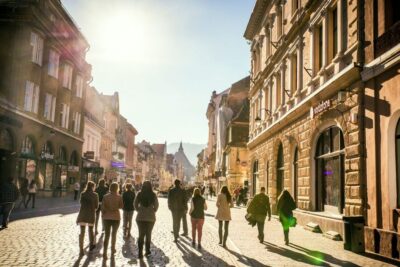
Dracula Castle, Peles Castle & Brasov Old Town
Read our review →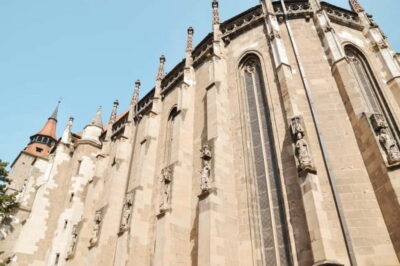
Dracula’s Castle, Peleș Castle & Brașov Day Trip
Read our review →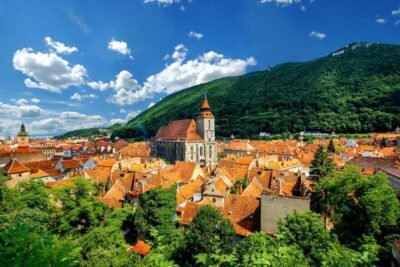
Day Trip to Dracula Castle, Peles Castle & Brașov
Read our review →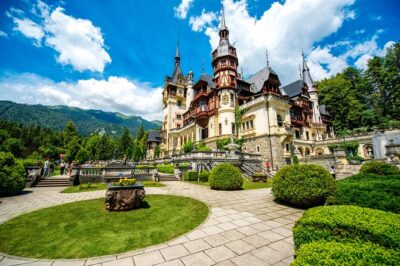
Bucharest to Dracula Castle, Peles Castle and Brasov Guided Tour
Read our review →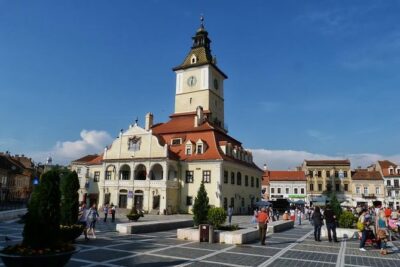
Dracula’s Castle, Peles Castle and Brasov Day Trip from Bucharest
Read our review →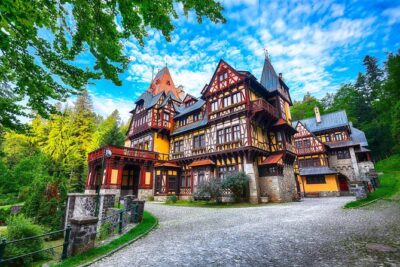
Transylvania and Dracula Castle Full Day Tour from Bucharest
Read our review →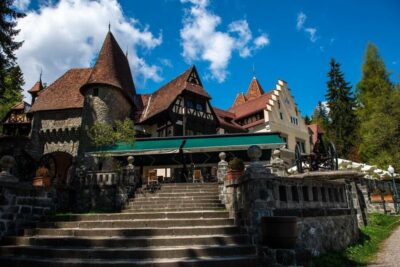
Browse the lists this tour appears in