
Reviewed · TRANSFAGARASAN ROAD TRIPS
3 Days Private Tour in Romania with Transfagarasan Road
Romania’s great mountain roads are the star here. The Transfagarasan Highway twists past high peaks, Vidraru Dam, and the route linked with Top Gear’s famous praise, while Transalpina reaches 2,145 meters. Add Poienari Fortress, Gothic Corvin Castle, and ancient churches, and you get three busy days with a strong sense of place.
I like the private format, which lets you change the pace and spend longer at a favorite stop. I also like the guide-led approach: Nicolas, also referred to as Nicu, is praised for clear stories about Romanian towns, people, and history, not just for driving. The main drawback is the schedule. You cover a lot of ground, and the price of $1,156.44 per person does not include your hotels, meals, drinks, or attraction tickets.
In This Review
- Key points to know before booking
- Why this three-day route works
- Day one: royal tombs, Dracula’s fortress, and the Transfagarasan
- Curtea de Arges Monastery and the legend of sacrifice
- Poienari Fortress and 1,480 steps
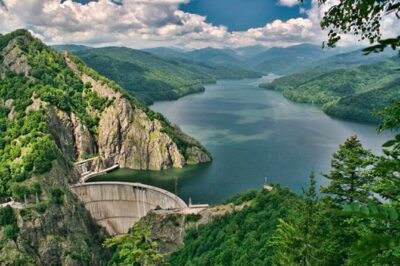
- Vidraru Dam before the mountain road
- Three hours on the Transfagarasan Highway
- Day two: Sibiu, Corvin Castle, and old sacred places
- Sibiu’s Big Square and the Evangelical Cathedral
- Corvin Castle and medieval atmosphere
- Prislop Monastery and Father Arsenie Boca
- Densus Church and layers of time
- Day three: Alba Iulia, Transalpina, Polovragi, and Horezu
- Alba Carolina Fortress in Alba Iulia
- Transalpina at 2,145 meters
- Polovragi Cave
- Horezu Monastery and Romanian ceramics
- What the $1,156.44 price really covers
- Guide style and the private-tour advantage
- Practical details to settle before departure
- Should you book this Romania tour?
- FAQ
- Where does the tour begin?
- How long does the tour last?
- Is this a private tour?
- Who is the guide?
- Is the guide licensed and English-speaking?
- Are hotels included?
- Are meals and drinks included?
- Are entrance fees included?
- How many stairs lead to Poienari Fortress?
- Can the itinerary be changed?
Key points to know before booking
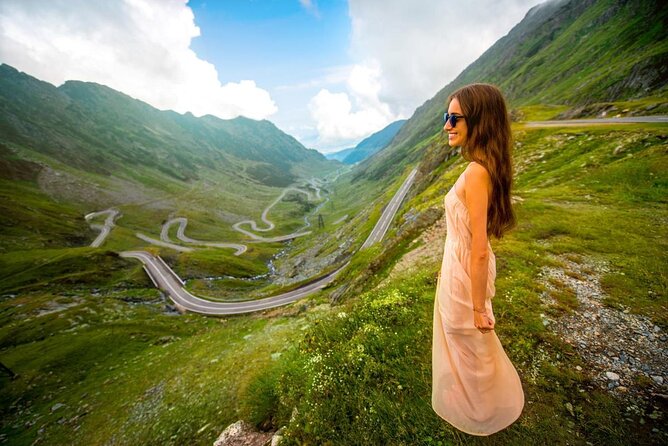
- Transfagarasan and Transalpina in one trip: You see two of Romania’s most dramatic mountain roads in a compact three-day route.
- Poienari means 1,480 stairs: The fortress visit is rewarding, but it requires a serious uphill climb.
- A genuinely private tour: Only your own group takes part, with a private car or minibus and room for itinerary changes.
- History goes beyond Dracula: Curtea de Arges, Densus Church, Alba Iulia, Horezu Monastery, and Prislop add religious, royal, medieval, and local context.
- Nicolas is both guide and driver: The strongest praise focuses on his personal attention, interesting explanations, and ability to adjust the day.
- Budget for extras: Entrance fees, accommodation, food, and drinks are separate from the tour price.
Why this three-day route works
This is not a gentle city break. It is a fast-moving circuit through southern Transylvania and the Carpathians, with long stretches in the vehicle between major stops. That is the trade-off for seeing so many different sides of Romania in only three days.
You move from Wallachian royal history to a fortress associated with Vlad the Impaler, then from mountain engineering to Saxon-influenced Sibiu, Gothic architecture, Orthodox monasteries, a Roman-era church site, a Vauban fortress, a high alpine road, and a cave.
I see the tour as a good fit if you want a broad first look at Romania and do not want to organize complicated driving, hotel choices, road conditions, and opening times yourself. It is also useful before or after a river cruise, since one review describes booking the three days before joining a cruise.
The private setup matters. You are not tied to a large group’s fixed rhythm, and the guide can change the daily plan after the tour begins. That flexibility is especially useful at places such as Poienari, where the stairs may take more energy than expected, or at a monastery, where you may prefer a quiet visit rather than a rushed photo stop.
More Transfagarasan road trips:
- Small-group max 7 – Top Gear Road – Transfăgărăşan Highway
★ 5.0 · 391 reviews - Bucharest: Top Gear Road Transfagarasan Day Trip
★ 4.8 · 293 reviews - Small group Bears ‘Safari’ on Transfăgărășan -max 7 tourists
★ 4.8 · 159 reviews
Day one: royal tombs, Dracula’s fortress, and the Transfagarasan
Curtea de Arges Monastery and the legend of sacrifice
The first stop introduces Romania through a mix of faith, royal memory, and legend. Curtea de Arges has the ruins of the Wallachian princely court, the 13th-century Royal Church, and the famous monastery, where important royal tombs are found.
The monastery is tied to the story of Master Manole and nine stonemasons. According to the legend, every part of the cathedral built during the day collapsed overnight. The solution involved a terrible sacrifice, a story that gives the church an uneasy emotional edge beyond its architecture.
You have about 45 minutes here, and admission is not included. That is enough for a focused look at the principal buildings and grounds, but not for a long, slow visit to every part of the old town. If royal history and Orthodox architecture matter to you, ask Nicolas to explain how the monastery fits into Wallachian history.
Poienari Fortress and 1,480 steps
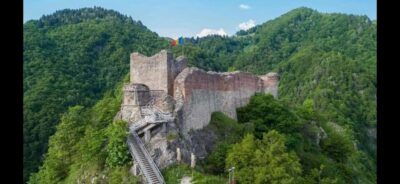
Poienari is the most physically demanding stop of the tour. The ruined fortress sits at about 860 meters and is linked with Vlad the Impaler, the historical figure behind many Dracula stories.
The approach involves 1,480 stairs. That number is not a bit of tour-guide drama. It should shape your decision to visit. You need comfortable footwear and enough time to climb, pause, and come back down. The stop is scheduled for two hours, and admission is separate.
The reward is the setting and the connection to Vlad, not a polished castle interior. Poienari is a ruined stronghold, so the appeal comes from the climb, the mountain position, and the bloody legend attached to it. If you want a classic furnished castle, Corvin Castle on day two is the better match. If you like physical challenges and dark medieval stories, Poienari may be your favorite stop.
A few more Bucharest tours worth a look
- 3-Day Medieval Transylvania Package Tour
★ 4.7 · 31 reviews - 3-Day Explore Transylvania from Bucharest
★ 5.0 · 17 reviews - 3-Day Tour of Transylvania’s Landmarks from Bucharest
★ 5.0 · 16 reviews - 3-Day Private Tour of Medieval Transylvania from Bucharest
★ 5.0 · 15 reviews
Vidraru Dam before the mountain road
The 15-minute stop at Vidraru Dam gives the itinerary a change of scale. This is a major hydroelectric project built on the Arges River, with a reservoir held in the mountains.
The visit is brief and free, so think of it as a viewpoint and photo break rather than a full engineering tour. It also sets up the next part of the day. After seeing what people built in this difficult terrain, you head onto the road that makes the region famous.
Three hours on the Transfagarasan Highway
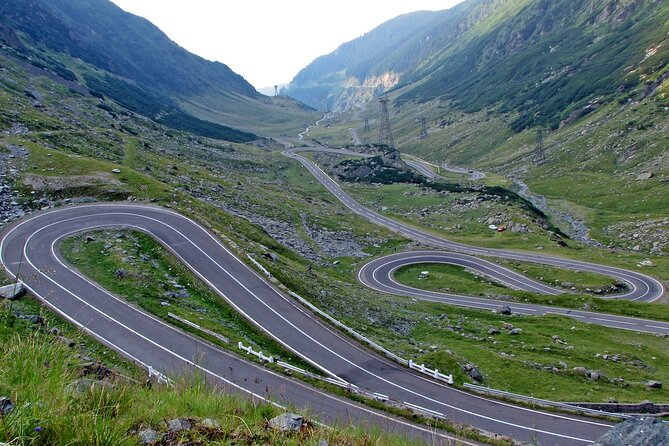
The Transfagarasan is the big visual payoff of day one. The paved road cuts through the Carpathians, with sweeping views and sharp turns. The route became internationally famous after a Top Gear segment called it the most beautiful road in the world.
That claim is subjective, but the road earns its reputation on its own terms. You get mountain scenery, changing views, and the pleasure of watching the road fold through the peaks. The planned three hours gives you time to appreciate the route instead of treating it as a simple transfer.
This is also where a private vehicle has real value. The guide can handle the driving while you look out, take photos, and ask questions. Still, road-based touring can be tiring. If you get motion sick on winding roads, plan ahead and tell the guide. The tour details do not promise a specific season or road-access arrangement, so confirm current Transfagarasan conditions before departure.
Day two: Sibiu, Corvin Castle, and old sacred places
Sibiu’s Big Square and the Evangelical Cathedral
Sibiu offers a welcome change from mountain driving. The one-hour visit centers on Big Square, the old city center, and the Evangelical Cathedral.
The city was European Capital of Culture, and the stop is designed to help you understand why it matters. You get a city walk rather than a single monument, with time to notice the shape of the old center and the relationship between the square, cathedral, and surrounding streets.
One hour is enough to get your bearings and see the main sights, but it is not enough for a full museum day. I would use the guide’s local knowledge to focus on the parts of Sibiu that interest you most. The tour is private, so your questions can shape the visit.
Corvin Castle and medieval atmosphere
Castelul Corvinilor, also called Corvin or Hunyadi Castle, is one of the route’s strongest architecture stops. It is a large Gothic castle with towers, defensive features, and a museum inside.
The building served more than one purpose from the 15th century onward. A later fire caused major damage, followed by extensive restoration. That means you are seeing a restored historic site, not an untouched medieval shell. The restoration lets you visit the rooms and towers, but it is worth keeping that distinction in mind.
The stop lasts about 90 minutes, and admission is not included. Make time for the defense towers, which offer good places for photographs. The castle’s scale makes it easy to spend the whole visit looking up at the structure, so listen for the historical details that explain how it functioned as both a residence and a fortified site.
Prislop Monastery and Father Arsenie Boca
Prislop brings the tour into modern Romanian religious life. The Orthodox monastery is about 400 years old and is associated with Father Arsenie Boca, a monk and abbot who was regarded as saintly during his lifetime and is still pending canonization.
The planned visit is 45 minutes and admission is free. The site can be busy with people paying their respects, so do not expect the same quiet atmosphere you might find at a remote church. Dress and behave respectfully, since this remains a working religious site.
For me, the value here is not only the building. It is the chance to see how faith, pilgrimage, and national memory continue to shape Romanian culture. Nicolas is particularly useful on stops like this, where a short explanation can help you understand why the place matters to people today.
Densus Church and layers of time
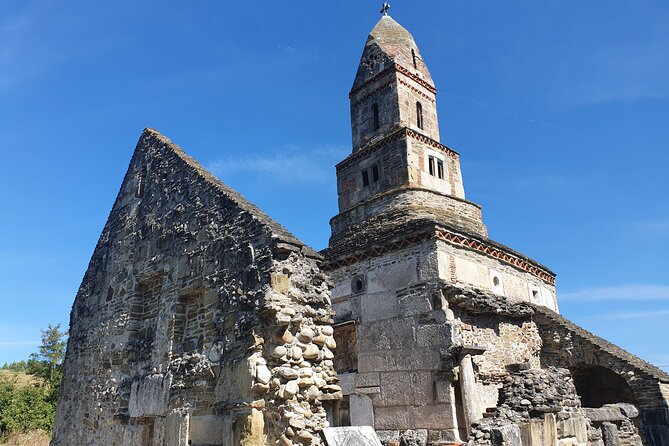
Densus Church is small but unusual. It is one of Romania’s oldest Orthodox churches and was built over the remains of an earlier structure dating to the 4th century. Its construction took place in stages, with final changes made in the 13th century.
Inside, you can see wall paintings dating from 1443. The church combines architectural elements from different periods, giving it an almost assembled appearance. It has also been proposed for UNESCO recognition.
The visit lasts 45 minutes, with admission separate. The information provided does not specify current opening arrangements, so your guide’s timing and local contact are valuable here. This is not a grand castle or vast monastery complex. Its appeal is the odd mixture of old stones, layered construction, and religious use across many centuries.
Day three: Alba Iulia, Transalpina, Polovragi, and Horezu
Alba Carolina Fortress in Alba Iulia
Alba Iulia begins the final day with military history on a grand scale. The city’s Vauban-style fortress follows a seven-corner star design and has three lines of fortification.
The Alba Carolina citadel is one of the largest fortresses of its kind in Eastern Europe. Its layout helps you see how defensive planning worked, even if you are not a military-history specialist. The two-hour visit gives you more room than the shorter church stops, so you can walk through the grounds and take in the design.
Admission is free. This is one of the tour’s best places for context, since the fortified city links architecture with the wider political history of the region.
Transalpina at 2,145 meters
The Transalpina is Romania’s highest road, reaching 2,145 meters. It has been associated with Roman construction and was later called the Devil’s Path, possibly because shepherds used the route while moving sheep between Marginimea Sibiului and Wallachia.
The listed stop is only two minutes, so set your expectations carefully. This appears to be a quick scenic pause or photo point, not a long road excursion with several walks. The view from the high point is the reason to have a camera ready.
Since the tour includes both Transfagarasan and Transalpina, road access and timing matter greatly. The supplied details do not give a seasonal operating calendar, so ask about current conditions when booking. The route is a major reason to choose this experience, but mountain-road plans can be more sensitive to conditions than visits inside a city.
Polovragi Cave
Polovragi Cave offers a different sort of scenery. The cave galleries extend for more than 10 kilometers, though only 800 meters are open to visitors. Inside, the air is warm and humid, and the formations have names such as the Spring of Hope, Bloody Vault, White Room, Divine Chamber, and Dacian Oven.
The visit takes about 90 minutes, and admission is not included. The named formations give the route a storybook quality, but the real interest is the limestone shapes and the sense of moving through a space shaped over a very long period.
You may want a light layer despite the warm, humid conditions, and sturdy shoes are sensible. The tour data does not give a detailed accessibility description, but the cave setting and the rest of the itinerary mean you should ask Nicolas about current walking conditions if mobility is a concern.
Horezu Monastery and Romanian ceramics
Horezu Monastery closes the route with one of Romania’s finest Orthodox monuments. It is listed as a UNESCO World Heritage site and is known for Romanian architectural design and Horezu ceramics.
The stop lasts 45 minutes, with admission separate. That is enough to see the main religious complex and learn about its artistic importance, but not to spend a long time shopping or studying ceramics in depth. If local craft interests you, tell the guide early so the timing can be handled sensibly.
The monastery works well as the final stop because it brings architecture, faith, and traditional art together. After three days of fortresses and mountain roads, it gives the trip a calmer ending.
What the $1,156.44 price really covers
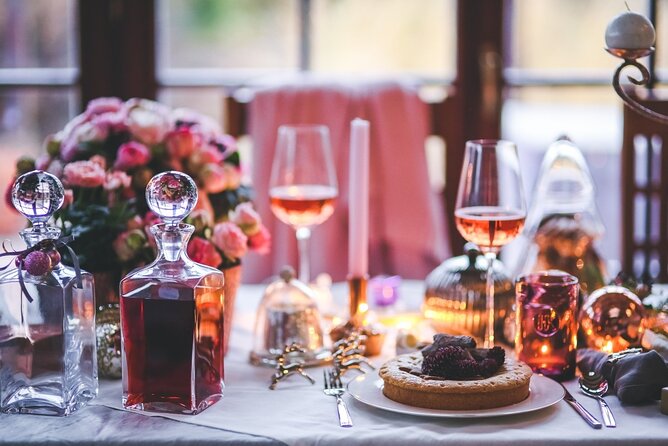
At $1,156.44 per person, this is not a budget bus tour. The value depends heavily on the size of your group and how much you value private transport and personal planning.
The price includes a private car or minibus for your group, an English-speaking licensed guide and driver, fuel, parking, road tolls, the guide’s accommodation and meals, and wireless internet in the vehicle. You also get help choosing hotels within your budget and can request changes to the route during the trip.
You still pay for your own accommodation, meals, drinks, and entrance tickets. That distinction matters. Add those costs before comparing this tour with a package that includes hotels or admissions.
For a family or group of friends, the private rate may make more sense than it first appears, especially since the vehicle and guide are not shared with strangers. For a solo visitor or couple, the price is harder to justify unless the convenience, flexibility, and wide route are worth a premium.
Guide style and the private-tour advantage
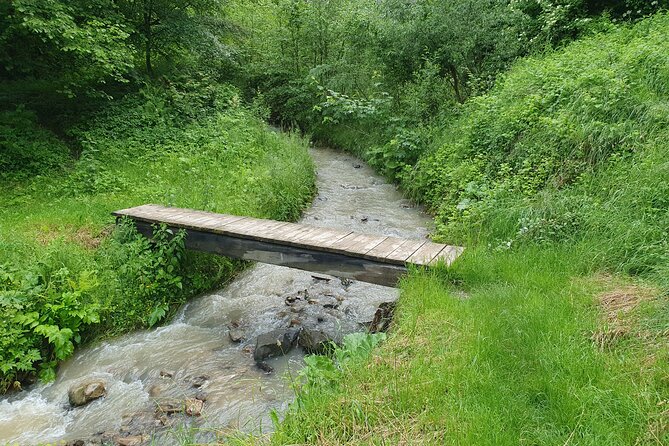
The guide is identified as Nicolas, with Nicu also used in the descriptions. The strongest praise centers on his ability to explain cities, Romanian people, and historical details in an interesting way. He is also described as a friendly private driver who recommends good restaurants and adapts the amount of time spent at each place.
That is important on this route. A driver who only points out monuments would leave you with a string of photo stops. A guide who can explain why Densus Church is unusual, why Prislop matters today, and how the mountain roads fit into Romanian geography gives the journey more meaning.
The private format also allows a personal rhythm. One review describes spending as much time at each place as needed, while another notes that the schedule was tailored to the group. The experience is best for people who want to ask questions, adjust priorities, and avoid the fixed pace of a large coach.
Practical details to settle before departure

Pickup is offered, confirmation comes at booking, and only your group participates. Service animals are allowed, and the tour states that most people can take part.
Ask about the planned hotels before you finalize your budget, since accommodation is recommended but not included. Also ask which entrance tickets are expected at each paid site, especially Poienari Fortress, Corvin Castle, Densus Church, Polovragi Cave, and Horezu Monastery.
Wear comfortable shoes. Poienari requires 1,480 stairs, while the fortresses, monasteries, old centers, and cave can all involve walking. The itinerary is packed, so keep your day bag light and use the included wireless internet if you need to stay connected between stops.
Free cancellation is available if you cancel at least 24 hours before the start time. Cancellations or changes made later are not accepted for a refund.
Should you book this Romania tour?
Book it if you want Romania’s biggest variety in three days and prefer a private guide to a self-drive trip. You get major mountain roads, a Dracula connection, Gothic and Orthodox architecture, a cave, a fortified city, and several chances to see Romanian culture beyond the usual castle circuit.
I would be more cautious if you dislike long drives, steep climbs, tightly scheduled days, or paying separately for hotels and admissions. Poienari is strenuous, Transalpina has only a very short listed stop, and the total cost rises after extras.
For a small group that values flexibility, Nicolas’s personal guiding style and the private vehicle make this a strong choice. For a couple watching every expense, compare the full three-day cost with a shorter private tour before booking.
FAQ
Where does the tour begin?
The tour is based in Bucharest, Romania, and pickup is offered.
How long does the tour last?
The experience lasts approximately three days.
Is this a private tour?
Yes. Only your own group participates, using a private car or minibus.
Who is the guide?
The guide and driver is identified as Nicolas, also referred to as Nicu in the tour information.
Is the guide licensed and English-speaking?
Yes. The tour includes a private, licensed English-speaking guide and driver.
Are hotels included?
No. Accommodation is not included, but hotel recommendations are provided according to your budget.
Are meals and drinks included?
No. Your meals and beverages are not included. The guide’s accommodation and meals are covered by the tour.
Are entrance fees included?
No. Entrance fees at the listed attractions are paid separately.
How many stairs lead to Poienari Fortress?
The climb to Poienari Fortress involves 1,480 stairs.
Can the itinerary be changed?
Yes. The private format allows flexibility, including changes to the daily itinerary after the tour has started.
Recently added around Bucharest
- 6h Communism Tour in Bucharest with Ceausescu Mansion★ 4.5 · 6 reviews
- From Bucharest : Day Trip to Peles, Dracula’s Castle, Brasov★ 4.7 · 6 reviews
- Bears Sanctuary, Dracula Castle and Brasov City – Full Day Trip from Bucharest★ 5.0 · 6 reviews
- Dracula Private Tour★ 5.0 · 6 reviews
- Transfagarasan Road Private Day Trip from Bucharest / The Best Road in the World★ 5.0 · 6 reviews
- Bucharest : Wednesday, Dracula & Peles 3 Castles Tour 1 Day★ 4.7 · 6 reviews
- Hiking thought the best mountain villages in Romania-Private tour from Brasov★ 5.0 · 6 reviews
- Bucovina Painted Monasteries & Transylvania Tour: 4-Day Private★ 5.0 · 6 reviews
Transfagarasan Road Trips, compared.
Small-group max 7 – Top Gear Road – Transfăgărăşan Highway
Read our review →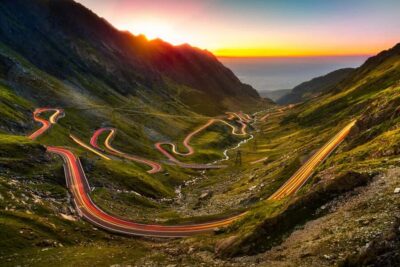
Small group Bears ‘Safari’ on Transfăgărășan -max 7 tourists
Read our review →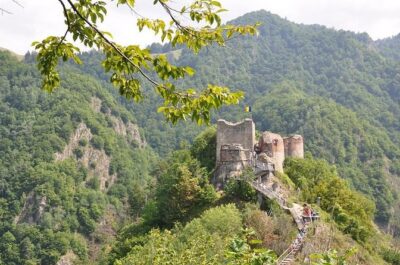
Brasov Private Tour: Transfagarasan road & Poienari Fortress
Read our review →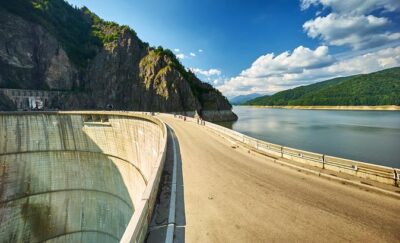
Small group max 7, Transfăgărășan the Top Gear Road
Read our review →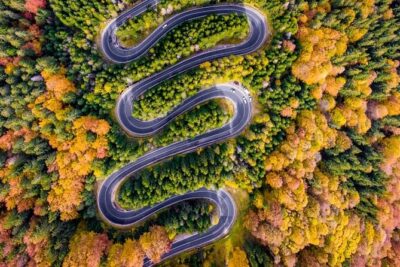
Transfăgărășan Highway & Balea Lake – Private Tour from Bucharest
Read our review →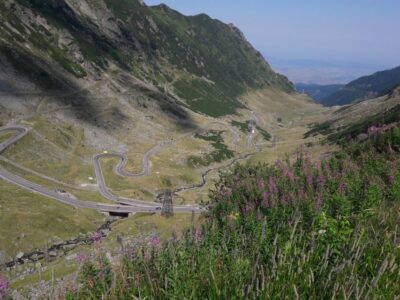
Transfagarasan Highway, Balea Lake & Carta Monastery
Read our review →Browse the lists this tour appears in