
Reviewed · TRANSYLVANIA DAY TRIPS
Your rendez-vous with Europe’s past: time-travel to Maramures, Transylvania
Romania’s past feels especially close in Maramures, where wooden churches, old village customs, and family-run guesthouses still shape daily life. This private tour links that northern countryside with Transylvania’s headline sights, including Bran Castle, Sighisoara, and Brasov, without asking you to manage long drives or complicated connections.
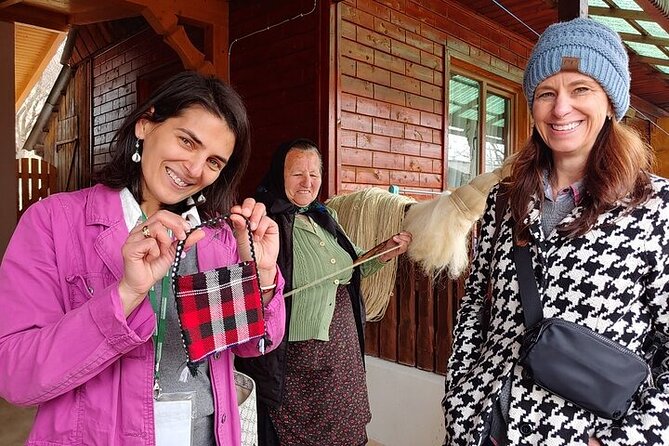
I like the mix of major sights and quieter stops. You get the medieval squares of Sibiu, the fortified churches of Saxon Transylvania, and the vivid Merry Cemetery, but also time in Breb, a traditional Maramures village. I also like that guide Gelu and driver Vlad are named as part of the experience, with Gelu bringing strong historical knowledge and a clear love for Romania.
The tradeoff is mileage. Day 5 includes a long drive from Maramures toward Transylvania, and several days pack in multiple stops. At $2,185.67 per person, the price can make sense for a private seven-night trip with transport, lodging, breakfasts, and admissions included, but it is not a budget tour, and many meals, flights, and photo fees remain extra.
In This Review
- Key points to know before you book
- Why this route works for seeing Romania
- Day 1: Cozia Monastery and Sibiu’s old squares
- Day 2: Alba Iulia’s fortress and Cluj-Napoca
- Day 3: Wooden churches and a stay in Breb
- Day 4: Barsana, Sapanta, Sighet, and Desesti
- Day 5: Ieud, Biertan, and Sighisoara
- Day 6: Viscri, Saschiz, Rupea, and Brasov
- Day 7: Bran Castle, Peles Castle, and Bucharest
- What the $2,185.67 price covers
- Who should book this private Romania tour?
- Should you book it?
- FAQ
- How long does the tour last?
- Where does the tour begin?
- Where does the tour end?
- Is this a private tour?
- Who are the guide and driver?
- What accommodation is included?
- Are meals included?
- Are entrance fees included?
- Is the tour suitable for most people?
Key points to know before you book
- Maramures adds real village life: Stay in Breb in a traditional cottage instead of seeing only Romania’s famous cities.
- Gelu and Vlad lead the way: Gelu handles the guiding, while Vlad is identified as the driver on the highly praised private trip.
- Seven nights are included: Accommodation is in three-star superior hotels and guesthouses, with breakfast each morning.
- UNESCO sites come thick and fast: You visit wooden churches, fortified churches, Sighisoara, and Alba Iulia’s historic fortress.
- The route is private and adjustable: Your group travels alone, and the itinerary can be adapted to your needs.
- Expect long road days: The distance between Maramures and southern Transylvania means less time on foot on some days.
Why this route works for seeing Romania
This is not just a Dracula circuit. Bran Castle and Sighisoara provide the famous names, but the strongest part of the route may be the shift from city streets to working villages and old religious buildings.
You begin in Bucharest, cross Wallachia and Transylvania, reach the northern region of Maramures, then turn south through Saxon villages before returning to Bucharest. That broad arc gives you a useful sense of Romania’s changing cultures, from Orthodox and Greek-Catholic traditions to the German-speaking Saxon communities that built fortified churches.
A private car matters here. Public transport can connect the main cities, but it would make stops such as Surdesti, Breb, Desesti, Viscri, and Biertan much harder to combine. You also avoid repeatedly checking schedules and moving your luggage through rural areas.
The experience is best for someone who wants context along with sightseeing. Gelu’s role is more than pointing out buildings. His commentary, according to the information provided, covers Romania’s rulers, churches, communism, village life, and local customs. He also leaves room for questions and photographs, an important detail on a route with many short visits.
More Transylvania day trips:
- Transylvania and Dracula Castle Full Day Tour from Bucharest
★ 4.5 · 1,589 reviews - Castles of Transylvania: Private Day Trip from Bucharest
★ 4.5 · 248 reviews - 2-Day Medieval Transylvania with Brasov,Sibiu and Sighisoara Tour from Bucharest
★ 4.5 · 145 reviews
Day 1: Cozia Monastery and Sibiu’s old squares
Pickup is offered at your Bucharest hotel or the airport. The first drive follows the Olt River Valley, a scenic opening that moves you away from the capital and toward Romania’s medieval heart.
Cozia Monastery was founded in 1388 by Mircea the Elder, a Wallachian prince and grandfather of Vlad the Impaler. You spend about 30 minutes here, enough to see the setting and main features without turning the first morning into a long museum stop. Admission is free.
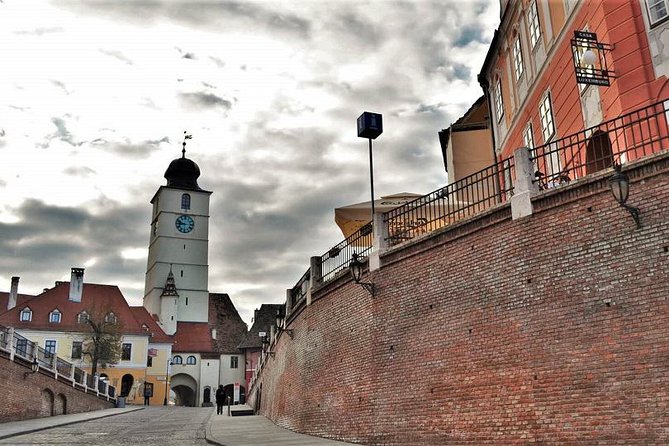
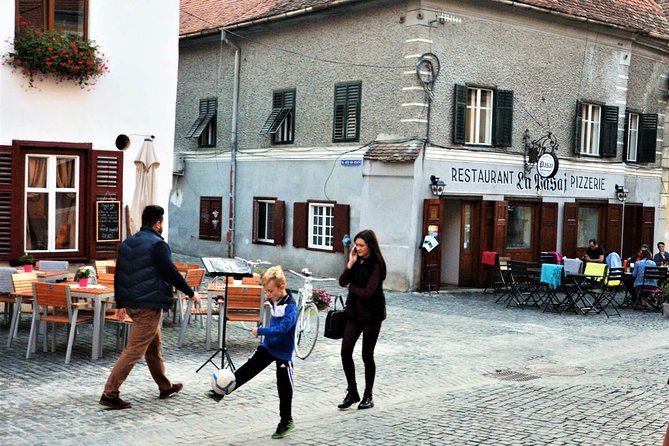
After lunch and a short rest, you reach Sibiu for about two hours of guided sightseeing. The city is one of the tour’s best early introductions to Transylvania, with the Grand Square, Small Square, and Albert Huet Square forming the core of the old town.
The climb up the Council Tower gives you a view over Sibiu, but it requires medieval-stair effort. You also visit the Orthodox Cathedral and the large Evangelical Church. The contrast between the Orthodox interior and the Evangelical tradition helps explain why Transylvania cannot be reduced to one national or religious story.
This first day is full. The drive, monastery, lunch, climb, and walking tour add up quickly, so wear supportive shoes and keep your evening flexible.
Day 2: Alba Iulia’s fortress and Cluj-Napoca
Alba Iulia brings military and royal history into focus. Inside the Alba Carolina fortress, you visit Saint Michael Cathedral, where John Hunyadi was buried. The cathedral’s construction began in 1004, giving it a long timeline that reaches well beyond the medieval walls around it.
You also see the Orthodox Coronation Cathedral and remains of the Roman castrum linked to the elite 13th Gemina Roman Legion. In roughly two hours, the stop moves from Roman occupation to medieval power and modern Romanian monarchy.
The historical material can feel dense, but this is where a private guide earns his keep. Gelu’s background in Romanian history helps connect John Hunyadi, his son Matthias Corvinus, the Ottoman threat, and the later political importance of Alba Iulia.
Next comes Cluj-Napoca, with another two-hour city visit. The tour ends near the house where Matthias Corvinus was born, now surrounded by restaurants and bars. This gives you a practical place for a meal or drink, though the cost is not included unless it falls among the tour’s two included lunches or dinners.
Cluj is a university city and a useful change of pace after Alba Iulia’s fortress. Still, two hours is a short introduction. You will see the central sights, not explore the city in depth.
Day 3: Wooden churches and a stay in Breb
The route turns north from Cluj-Napoca toward Maramures, one of the best reasons to choose this tour over a standard Transylvania itinerary.
At Surdesti, you visit a wooden Greek-Catholic church built in 1766. It is a UNESCO World Heritage monument and was once regarded as the tallest wooden church in the world. The stop lasts about 30 minutes, so your time is focused on the church rather than a broad village visit.
The construction itself is the point. These churches show how local communities built tall, graceful religious buildings from available materials, using skill and patience instead of expensive stone. A guide can also help explain the difference between Greek-Catholic and Orthodox traditions, which appear throughout the trip.
After noon, you check into a traditional cottage in Breb for the next couple of days. This is a major shift from sightseeing to place-based travel. You have a pleasant afternoon and traditional food from your hosts, with the stay designed to give you more than a quick photograph from a roadside stop.
The accommodation is described as a traditional cottage, while the wider tour uses three-star superior hotels and guesthouses. If you prefer predictable hotel facilities every night, ask for exact lodging details before booking. If you like a more local setting, Breb is one of the strongest features of the route.
A few more Bucharest tours worth a look
- Bucharest: Dracula’s Castle, Peles Castle, & Brasov Old Town
★ 4.5 · 17,858 reviews - Bucharest: Dracula Castle, Peles Castle & Brasov Old Town
★ 4.6 · 10,891 reviews - Bucharest: Dracula’s Castle, Peleș Castle & Brașov Day Trip
★ 4.5 · 5,919 reviews - Bucharest: Palace of Parliament Tickets and Guide
★ 4.3 · 3,182 reviews
Day 4: Barsana, Sapanta, Sighet, and Desesti
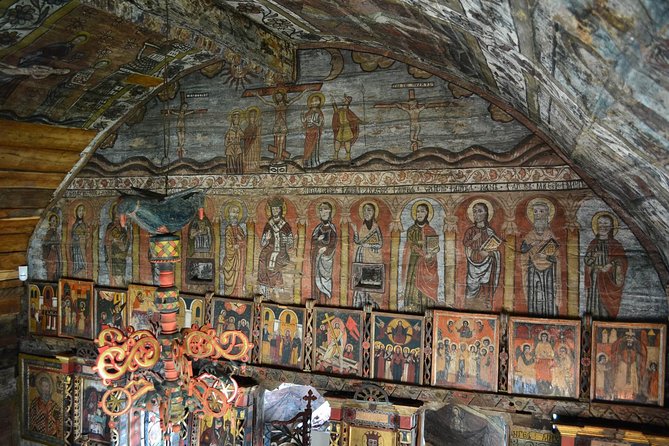
Day 4 is the fullest Maramures day, and it covers several different sides of the region.
Barsana Monastery is a modern Orthodox complex built in the early 1990s. Its buildings use local forms and wooden architectural traditions, showing how older styles continue in new religious construction. You spend about an hour here.
At Sapanta, the Merry Cemetery offers a very different mood. Brightly painted wooden crosses show scenes from the lives of the dead, paired with short, often wry verses. The humor can be startling, especially in a cemetery, but that is precisely what makes the place distinct. It treats death as part of family and village memory rather than something hidden away.
Give yourself time to look closely at the carvings and paintings. The stop lasts about an hour, and rushing through it would reduce the place to a collection of colorful signs.
The Memorial of the Victims of Communism and of the Resistance is far more solemn. The former prison at Sighet held political leaders, religious figures, academics, military officers, and members of Romania’s cultural elite from 1950 to 1955. The memorial explains how the communist regime used imprisonment to crush opposition and weaken the country’s leadership.
This is not a light sightseeing stop. The prison setting and subject matter require attention, but it gives the trip needed political context. Romania’s villages and churches are easier to understand when you also see what happened to its institutions and people under dictatorship.
You finish at Desesti, home to another UNESCO-listed wooden church known for its preserved old paintings. The visit lasts about 30 minutes. With four stops in one day, expect a steady pace and limited free time.
Day 5: Ieud, Biertan, and Sighisoara
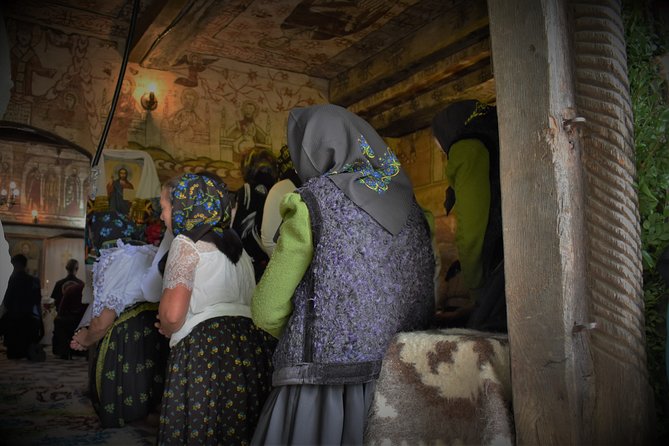
Day 5 is the long transfer day. You leave the heart of Maramures and head south toward the Saxon part of Transylvania. The drive is a cost of covering such a large section of Romania in one week.
There is a short stop in Ieud, where two wooden churches offer different details. The church on the hill is an Orthodox building from the 17th century and a UNESCO site. The church in the valley is Greek-Catholic, built in 1718 after the last Tartar invasion of Maramures, and is known as the Wooden Cathedral for its slim, balanced design.
The valley church was never painted, but it contains a collection of glass icons. That detail makes it different from the painted churches elsewhere in the region, so listen closely rather than assuming every wooden church offers the same experience.
Later, you reach Biertan, one of the finest fortified churches on the route. Built between 1486 and 1524, it has defensive walls, a decorated nave ceiling, and tombstones connected with former bishops and local notables. The church shows how worship and protection were combined in Saxon villages threatened by attack.
You then finish in Sighisoara, a UNESCO-listed medieval citadel. The late afternoon and evening timing should give you a pleasant chance to walk the old streets after the day’s long drive. Sighisoara is also associated with Vlad the Impaler, who was born here, though the real historical figure and the later Dracula legend are not the same thing.
Two hours is enough to see the main citadel area, but you should not expect every corner of Sighisoara at a leisurely pace. The reward is being there into the evening rather than treating it as a quick daytime photo stop.
Day 6: Viscri, Saschiz, Rupea, and Brasov
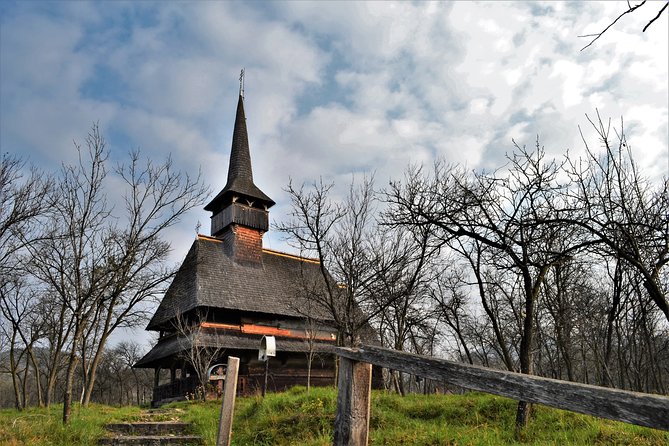
This day explores Saxon Transylvania, where fortified churches and village layouts tell a different story from Maramures.
At Viscri, you spend about two hours, including time for lunch. The village became well known after Britain’s King Charles bought a former Saxon household there, a blue house built in 1753. The important point is not celebrity tourism. Viscri remains valuable because its rural setting and old Saxon buildings show how village life was organized before modern development changed the region.
You also see Saschiz fortified church from the road. Its tower recalls Sighisoara’s Clock Tower, and the site is another UNESCO monument. The schedule says you gaze at it on the way rather than spend a full visit, so keep your expectations clear.
Rupea fortress is also seen along the route. It was built over earlier Roman and Dacian fortifications, but the tour does not list a separate admission or extended visit there. It is a useful roadside landmark, not a major walking stop on this itinerary.
After checking into Brasov, you explore the historic center for about two hours. The Black Church is a 14th-century Gothic monument, and the old fortress area includes bastions, towers, and fortifications. Rope Street, one of Europe’s narrowest streets, adds a quirky detail to the walk.
Brasov is one of the more energetic city stops, with restaurants, bars, and a large central area. Two hours lets you get oriented and see the key sites, but you may want to return on your own if your schedule allows.
Day 7: Bran Castle, Peles Castle, and Bucharest
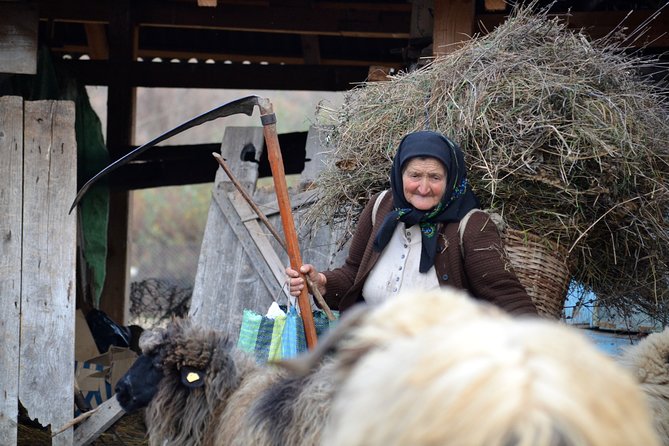
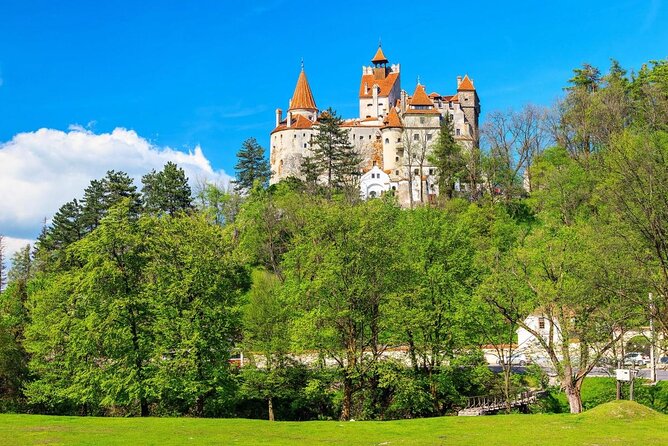
Bran Castle is the tour’s big Dracula stop. You travel from Brasov through Bran Pass, with views toward the Piatra Craiului and Bucegi mountains, then spend about two hours at the castle.
The building’s link with Dracula is stronger in popular culture than in the life of Vlad the Impaler. That distinction makes the visit more interesting, not less. You can enjoy the castle’s setting and legend while keeping the history straight.
Peles Castle near Sinaia gives you a sharp change in style. Built at the end of the 19th century, it reflects the ambitions of Carol I, Romania’s first king, who came from the German Hohenzollern-Sigmaringen family. The ornate castle is a surprising match for the king’s reputation for discipline and restraint.
Two hours is scheduled here, including the castle visit. Admission is included, but photo fees are not, so bring a little extra money if indoor photography matters to you.
In late afternoon, you return to Bucharest and visit Stavropoleos Church after check-in. The 1724 church and monastery sits in the city center and provides a calm final note after a week of fortresses, royal residences, village churches, and difficult political history.
What the $2,185.67 price covers
The price is per person and assumes double-room occupancy. It includes private transportation in an air-conditioned vehicle, all listed taxes and fees, seven nights in three-star superior hotels and guesthouses, breakfast, two lunches, two dinners, and admissions named in the route.
That package has real value if you would otherwise need to rent a car, arrange rural lodging, purchase separate entry tickets, and solve the logistics of a one-way route through northern Romania. A private guide also gives you flexibility that a fixed group departure cannot match.
Still, do the budget honestly. Flights are not included. Most lunches and dinners are not included, and photo fees are extra. The price is best justified by the private vehicle, the guide, and access to places that are difficult to connect independently in a week.
Group discounts are available, though the exact terms are not provided. Ask before paying, especially if you are traveling with several people.
Who should book this private Romania tour?
I would choose this tour if you want Romania’s major sights but do not want to drive long rural roads yourself. It suits couples, families, and small groups who value a private schedule and direct access to a guide.
It is also a good fit if you care about churches, political history, architecture, and village traditions as much as castles. Gelu’s warm manner, willingness to answer questions, and enthusiasm for Romania are repeatedly emphasized in the supplied feedback, making the guide a central part of the experience rather than a minor extra.
You should think twice if you want slow travel. There are several two-hour city visits, short church stops, and a demanding transfer from Maramures to Biertan. The tour covers a lot, but it does not linger everywhere.
The tour is listed as non-refundable and unchangeable after booking. Since the route is private, discuss your priorities before you commit. You may be able to adjust the itinerary, but the exact limits of those changes are not stated.
Should you book it?
Book this tour if your ideal Romania trip combines Maramures village life with Transylvania’s essential sights and you are willing to pay for private transport and guiding.
The best moments are likely to come from the contrast: a traditional cottage in Breb after city sightseeing, the playful carvings at Sapanta after a wooden church, and the grim Sighet prison before the medieval charm of Sighisoara. The route is busy and not cheap, but it reaches places that are awkward to combine on your own.
If you prefer a slower pace, ask about trimming a stop or adding time in Sighisoara, Brasov, or Maramures. If you want a well-supported first trip through Romania, the private format and Gelu’s personal approach make this a strong choice.
FAQ
How long does the tour last?
The experience is advertised as a seven-day tour and includes seven nights of accommodation.
Where does the tour begin?
Pickup is offered from your hotel in Bucharest or from the airport.
Where does the tour end?
The route returns to Bucharest on the final day after visits to Bran Castle, Peles Castle, and Stavropoleos Monastery.
Is this a private tour?
Yes. Only your group participates, and the itinerary can be adjusted to your needs.
Who are the guide and driver?
Gelu is identified as the guide, and Vlad is identified as the driver on the private Romanian trip described in the supplied information.
What accommodation is included?
Seven nights in double rooms at three-star superior hotels and guesthouses are included, with breakfast.
Are meals included?
Breakfast is included each day. Two lunches and two dinners are included, while other meals are not included.
Are entrance fees included?
Admissions listed for Alba Iulia, Surdesti, Barsana, the Merry Cemetery, the Sighet memorial, Biertan, Sighisoara, Viscri, Brasov, Bran Castle, and Peles Castle are included. Photo fees are not included.
Is the tour suitable for most people?
The tour information says most people can participate, service animals are allowed, and the route is near public transportation. You should also consider the walking, medieval stairs, and long driving days before booking.
Recently added around Bucharest
- 6h Communism Tour in Bucharest with Ceausescu Mansion★ 4.5 · 6 reviews
- From Bucharest : Day Trip to Peles, Dracula’s Castle, Brasov★ 4.7 · 6 reviews
- Bears Sanctuary, Dracula Castle and Brasov City – Full Day Trip from Bucharest★ 5.0 · 6 reviews
- Dracula Private Tour★ 5.0 · 6 reviews
- Transfagarasan Road Private Day Trip from Bucharest / The Best Road in the World★ 5.0 · 6 reviews
- Bucharest : Wednesday, Dracula & Peles 3 Castles Tour 1 Day★ 4.7 · 6 reviews
- Hiking thought the best mountain villages in Romania-Private tour from Brasov★ 5.0 · 6 reviews
- Bucovina Painted Monasteries & Transylvania Tour: 4-Day Private★ 5.0 · 6 reviews
Transylvania Day Trips, compared.
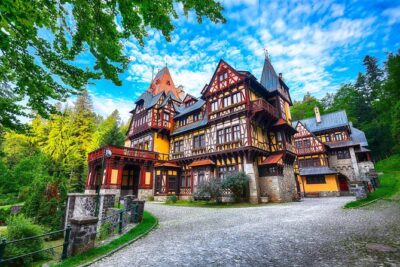
Transylvania and Dracula Castle Full Day Tour from Bucharest
Read our review →
Castles of Transylvania: Private Day Trip from Bucharest
Read our review →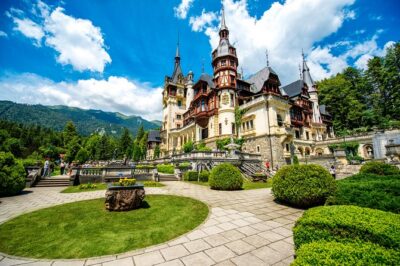
2-Day Medieval Transylvania with Brasov,Sibiu and Sighisoara Tour from Bucharest
Read our review →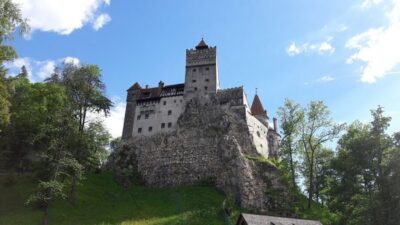
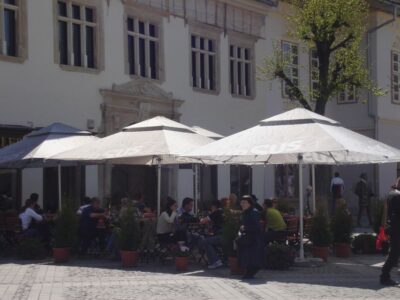
SB01 – City Tour Sibiu: Exploring the Heart of Transylvania
Read our review →
Day trips and excursions in nature, cities in Transylvania, Brasov!
Read our review →
2-Day Transylvania from Bucharest: Brasov, Bran, Sighisoara
Read our review →
Browse the lists this tour appears in