Reviewed · BUCHAREST TOURS
The Real Story of Gypsies – Slavery in Romania
Bucharest’s grand avenues tell only part of the city’s story. This three-hour walk brings you to a former slave market, the Holocaust Memorial, and a small shop where Roma craftspeople still work with copper. The subject is serious, but the route also shows how Roma culture continues today.
I like the tour’s clear historical arc, from slavery to genocide to craftsmanship. I also like its small maximum of 15 people, which gives you a better chance to ask questions. The main consideration is that this is a history-focused walk, not a light sightseeing stroll, and some stops call for quiet attention.
In This Review
- Key points to know before you book
- Why this Bucharest walk matters
- Meeting at Piata Amzei and setting the tone
- Stirbei Palace and the people behind the buildings
- The Romanian Athenaeum and culture in public view
- Cismigiu Park, with myths and everyday Bucharest
- The Holocaust Memorial and Romania’s wartime past
- The Iuliu Maniu Statue and changing names
- Mesteshukar ButiQ and Roma craftsmanship today
- Walking time, pace, and group size
- Who will get the most from this experience
- Booking, price, and cancellation in plain terms
- Should you book this Roma history walk?
- FAQ
- Where does the tour start?
- What time does the tour begin?
- Where does the tour finish?
- How long does the tour last?
- How much walking is involved?
- Is the tour offered in English?
- How many people can join?
- Does the tour include admission tickets?
- Is the tour close to public transportation?
- Can I cancel for a full refund?
Key points to know before you book
- A former slave market begins the story: Learn about the trade in human lives and its long effect on Roma identity.
- The route links history with Bucharest landmarks: Walk past Stirbei Palace, the Romanian Athenaeum, and Cismigiu Park.
- The Holocaust Memorial adds a solemn chapter: The tour addresses the persecution and murder of Roma people in Romania.
- Mihai is one guide you may meet: He is described as clear in English and generous with time for questions.
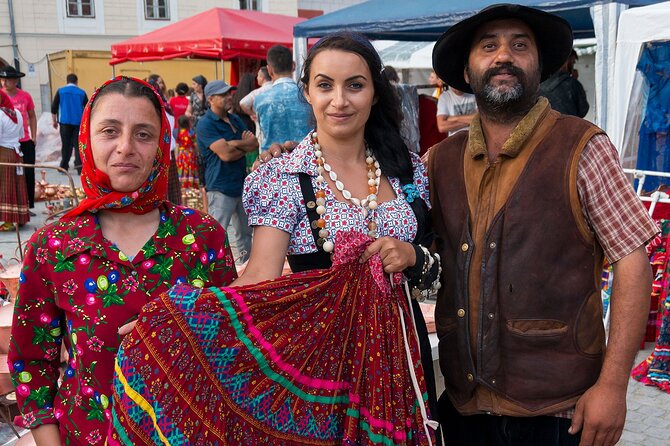
- The final stop supports living craft: Mesteshukar ButiQ sells goods made by Roma craftspeople, including copper work.
- The group stays small: Up to 15 people can join, with about 1 hour and 20 minutes spent walking between stops.
Why this Bucharest walk matters
Many city walks stay with palaces, churches, and handsome squares. This one uses those familiar places as clues in a harder story. You see central Bucharest, but you also learn how laws, social labels, forced labor, war, and public memory shaped the lives of Roma people in Romania.
The title uses the older word Gypsies, a term tied to the historical language of the subject. During the walk, the focus is on Roma culture and the changing way this community has been described and treated. That makes the experience useful for anyone who wants more than a quick architectural tour.
At $30.04 per person, the price is reasonable for a private-feeling, three-hour English walk with a maximum of 15 people. You are not paying for entry to major attractions, since the listed stops are viewed from outside or in public spaces. You are paying for the guide’s explanations, the route, and the connection between places that might otherwise seem unrelated.
That value depends on your interests. If you want a broad introduction to Bucharest’s main sights, this route covers only a few landmarks. If you want context that most standard city tours skip, the cost is easier to justify.
A few more Bucharest tours worth a look
- Bucharest: Dracula’s Castle, Peles Castle, & Brasov Old Town
★ 4.5 · 17,858 reviews - Bucharest: Dracula Castle, Peles Castle & Brasov Old Town
★ 4.6 · 10,891 reviews - Bucharest: Dracula’s Castle, Peleș Castle & Brașov Day Trip
★ 4.5 · 5,919 reviews
Meeting at Piata Amzei and setting the tone
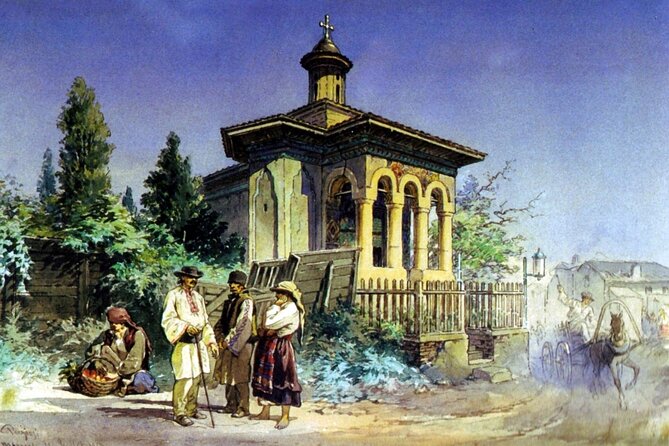
The walk begins at 10:00 am near Teatrul Ion Creanga, Sala Mare, at Strada Piața Amzei 13. The wider area is known as Romana Square, so check the exact meeting details before setting off. The tour is close to public transportation, which makes an early start practical from other parts of central Bucharest.
The first stop is Platoul Piata Amzei, the site of an old slave market. You spend about 15 minutes here, with no admission charge. This is a short stop in clock time, but it carries much of the tour’s weight.
Your guide explains the historical setting around the trade in human lives and how slavery affected Roma identity over time. The point is not simply to look at a square and hear a date. You are asked to connect an ordinary urban place with a system that treated people as property.
That contrast is one of the route’s strengths. The setting is part of modern Bucharest, yet the subject reaches into a painful period that is easy to miss when you are focused only on buildings and cafés. Allow yourself time to listen before taking photographs or moving on.
Stirbei Palace and the people behind the buildings
From Piata Amzei, the walk continues to Palatul Stirbei. This beautiful Bucharest palace was built in 1835, and its owner was involved in an important moment in Roma history in Romania.
You spend about 10 minutes here. The stop is not presented as a full palace visit, so you should think of it as a historical marker rather than an interior tour. The building gives the guide a way to discuss the people and power connected with Roma history.
This is where the route does something useful: it places Roma history beside the grand architecture most visitors already expect in Bucharest. Palaces can seem detached from ordinary life. Here, the guide ties one of the city’s elegant addresses to a difficult social past.
The short time also keeps the walk moving. You will not receive a long architectural lecture, so listen for the connection between the owner, the period, and the Roma story.
The Romanian Athenaeum and culture in public view
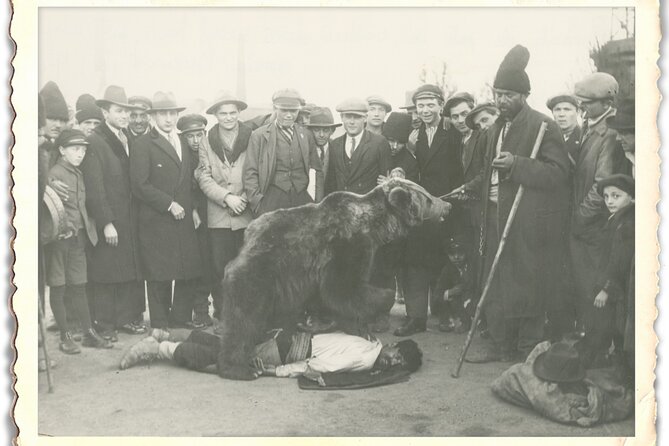
The Romanian Athenaeum is one of Bucharest’s best-known buildings, with a prominent place in the country’s cultural life. The tour spends about 15 minutes near this landmark, using it to discuss how the arts have shaped views of the Roma community over time.
You will get the building’s grand exterior as part of the route, but the purpose is not a standard design lesson. Instead, the Athenaeum becomes a prompt for thinking about who gets represented in national culture and how artistic work can influence public ideas about a community.
I like this part because it broadens the discussion. Roma history is not limited to slavery or persecution. The tour also asks you to consider identity, culture, and representation. That makes the experience less like a list of tragedies and more like a look at how a community has been seen through different periods.
There is no admission fee listed for the stop, and the visit is brief. If you want a full interior tour of the Athenaeum, you would need to arrange that separately.
A different side of the city, same short trip:
- Bucharest: Palace of Parliament Tickets and Guide
★ 4.3 · 3,182 reviews - Bucharest: Day Trip to Dracula Castle, Peles Castle & Brașov
★ 4.4 · 3,049 reviews - Bucharest to Dracula Castle, Peles Castle and Brasov Guided Tour
★ 4.5 · 2,933 reviews - Bucharest: Palace of Parliament Tickets and Guided Tour
★ 4.4 · 1,877 reviews
Cismigiu Park, with myths and everyday Bucharest
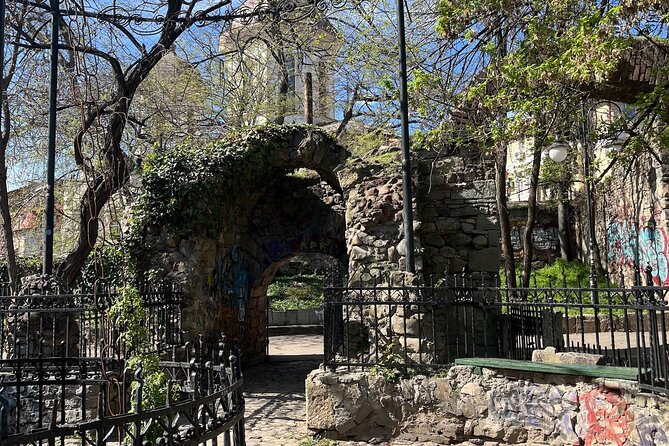
The route then reaches Cismigiu Park, described as Bucharest’s oldest and largest garden. You spend around 15 minutes walking through this green public space while the guide discusses truths and myths connected with Roma history.
This is a welcome change of pace after the heavier early stops. The park gives you room to walk, breathe, and think while the guide separates popular stories from historical fact. That distinction matters because groups that have faced prejudice are often described through rumor and stereotype rather than their own history.
The park stop also helps you see Bucharest as a lived-in city, not just a collection of official monuments. You pass through a place used for ordinary leisure while discussing a community whose story has often been pushed to the margins.
Still, keep your expectations clear. This is not a long park visit or a break for refreshments. The listed time is about 15 minutes, and the remaining walking time connects the stops. Wear shoes that suit a three-hour urban walk.
The Holocaust Memorial and Romania’s wartime past
The Holocaust Memorial is the most solemn point on the route. Here, the tour honors people killed during the Holocaust in Romania, including the thousands of Roma victims of persecution and genocide.
The stop lasts about 15 minutes and has no admission charge. A quarter hour can feel short for a subject of this scale, but the memorial provides a focused place for remembrance. Your guide gives the historical context, and you have a chance to pause at the site itself.
This section is important because it keeps Roma history connected to wider European events while placing Romania at the center of the discussion. You are not hearing only about distant countries or abstract numbers. You are standing in Bucharest at a memorial tied to victims from Romania.
Plan for a serious mood here. The tour does not treat the memorial as another photo stop. You may want to put your camera away and give the explanation your full attention.
The Iuliu Maniu Statue and changing names
The Iuliu Maniu Statue marks another moment in Roma history, from a time when Roma people were still commonly called Gypsies. The stop lasts about 15 minutes.
The supplied details do not specify the exact event discussed at the statue, so your guide’s explanation will be especially important here. This stop appears to focus on historical language and the way Roma identity was described in public life. It follows the Holocaust Memorial with a different kind of question: not only what happened, but how people were named and understood.
For you, this can be one of the more useful parts of the walk if you want to think about language in its historical setting. The older term appears in the tour’s title and in the description of this stop, while the route itself uses Roma when discussing the community today.
Because the stop is tied to a particular historical moment, ask questions if the connection is not immediately clear. One advantage of a small group is that you can do so without holding up a large crowd.
Mesteshukar ButiQ and Roma craftsmanship today
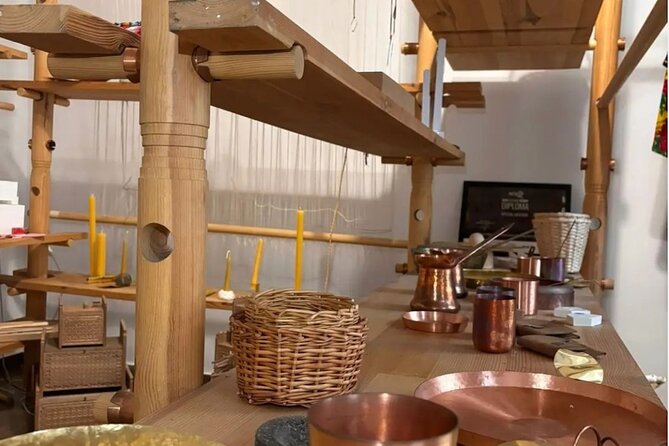
The walk ends at Mesteshukar ButiQ, or MBQ, at Bulevardul Mihail Kogălniceanu 12. This small shop sells products made only by Roma craftspeople. The final 15-minute stop gives the tour a welcome present-day focus.
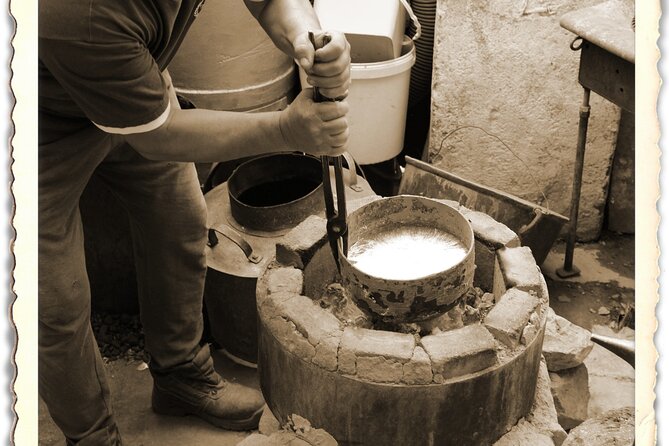
You can see authentic artisan work, including copper goods, and learn how traditional skills continue to shape Roma culture. After several stops dealing with exploitation, discrimination, and loss, ending with working craft gives the story a more complete shape.
This is not just a shop attached to a tour. It gives you something physical to connect with: objects made by Roma artisans and a place where their work is presented directly. You might choose to browse or buy something, but the important part is understanding that the tour ends with living practice rather than a museum display.
The end point is also practical. You finish in central Bucharest rather than returning to the starting point, so plan your next move from Kogălniceanu Boulevard. The listed end point is the shop itself.
Walking time, pace, and group size
The stops add up to about 100 minutes. The remaining 1 hour and 20 minutes is assigned to walking between them, making this a genuine three-hour city walk rather than a series of short talks in one area.
That walking time changes how you should plan. You will move through central Bucharest on foot, with stops in public squares, near major buildings, in a park, at a memorial, and at the final shop. Comfortable footwear is sensible, and you should allow enough time for the full route.
The maximum group size is 15 people. That is small enough for a more personal question-and-answer format, especially on a subject where details and wording matter. It also fits the experience better than a large sightseeing group would.
The tour is offered in English. One guide named in the available feedback is Mihai, who is described as clear in English, informative about Bucharest, and willing to spend time answering questions. You may not receive Mihai specifically, but his approach gives you a useful idea of the guide role: expect explanation, conversation, and local context rather than a scripted march from monument to monument.
Who will get the most from this experience
I would choose this walk if you have already seen some of central Bucharest and now want to understand a less familiar part of the city’s past. It suits history-minded visitors, people interested in minority cultures, and anyone who wants to examine how public memory is built.
It also works well for visitors who prefer a small group and direct conversation. The consistently strong score of 5 from the available feedback points to the value of clear English, thoughtful answers, and an unusual route. One German-speaking participant especially appreciated the way the tour revealed different parts of Bucharest and the time Mihai gave to conversation.
I would think twice if your ideal morning means grand interiors, long museum visits, or a cheerful overview of Bucharest. The route includes beautiful landmarks, but it uses them to tell a serious social history. Some stops are only 10 or 15 minutes, and much of the value comes from listening rather than seeing an attraction from inside.
Booking, price, and cancellation in plain terms
The $30.04 price is fair for a three-hour guided experience with a small group limit and a specialized subject. Since no attraction admissions are included or needed at the listed stops, the price is mainly for the guide’s time and interpretation. That can be good value if you would not find this historical context on your own.
The tour is commonly booked about 10 days ahead, so it is sensible to reserve before your Bucharest visit if the date matters. You receive confirmation when booking, and a mobile ticket is provided.
Free cancellation is available up to 24 hours before the local start time for a full refund. Cancellations or changes made inside that 24-hour window are not accepted for a refund. Keep that cutoff in mind, especially because the walk begins at 10:00 am.
Should you book this Roma history walk?
Book it if you want a thoughtful, focused look at Bucharest through Roma history, and if you are comfortable giving serious subjects your attention. The former slave market, Holocaust Memorial, and final Roma craft shop create a strong beginning, middle, and present-day ending.
Skip it if you want a standard highlight tour or a mostly visual morning. For the right audience, $30.04 buys more than sightseeing. It gives you a clearer sense of the people, places, and public memories that shaped Bucharest beyond its grand façades.
FAQ
Where does the tour start?
It starts at Teatrul Ion Creanga, Sala Mare, at Strada Piața Amzei 13 in Bucharest. The route is also described as starting at Romana Square.
What time does the tour begin?
The start time is 10:00 am.
Where does the tour finish?
It finishes at Mesteshukar ButiQ, located at Bulevardul Mihail Kogălniceanu 12 in Bucharest.
How long does the tour last?
The tour lasts approximately three hours.
How much walking is involved?
About 1 hour and 20 minutes is allocated to walking between the stops. The listed stops together account for about 100 minutes.
Is the tour offered in English?
Yes. English is the stated tour language.
How many people can join?
The maximum group size is 15 people.
Does the tour include admission tickets?
The listed stops have free admission. The experience is a walking tour through public places and does not list paid entry tickets.
Is the tour close to public transportation?
Yes. The meeting area is near public transportation.
Can I cancel for a full refund?
Yes, if you cancel at least 24 hours before the local start time. Cancellations or changes made less than 24 hours before the start are not eligible for a refund.
Recently added around Bucharest
- From Bucharest : Day Trip to Peles, Dracula’s Castle, Brasov★ 4.7 · 6 reviews
- Bears Sanctuary, Dracula Castle and Brasov City – Full Day Trip from Bucharest★ 5.0 · 6 reviews
- 6h Communism Tour in Bucharest with Ceausescu Mansion★ 4.5 · 6 reviews
- Dracula Private Tour★ 5.0 · 6 reviews
- Transfagarasan Road Private Day Trip from Bucharest / The Best Road in the World★ 5.0 · 6 reviews
- Bucharest : Wednesday, Dracula & Peles 3 Castles Tour 1 Day★ 4.7 · 6 reviews
- Hiking thought the best mountain villages in Romania-Private tour from Brasov★ 5.0 · 6 reviews
- Bucovina Painted Monasteries & Transylvania Tour: 4-Day Private★ 5.0 · 6 reviews
Bucharest Tours, compared.
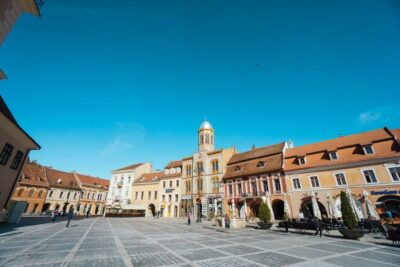
Dracula’s Castle, Peles Castle, & Brasov Old Town
Read our review →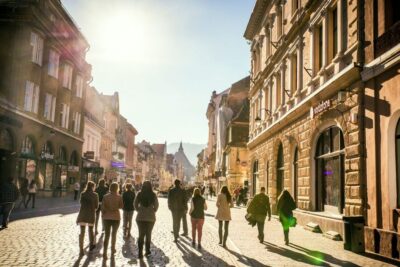
Dracula Castle, Peles Castle & Brasov Old Town
Read our review →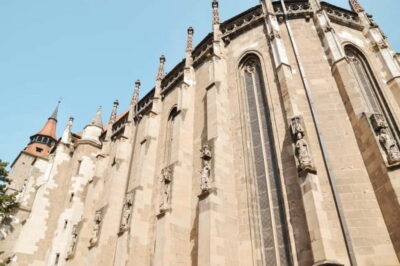
Dracula’s Castle, Peleș Castle & Brașov Day Trip
Read our review →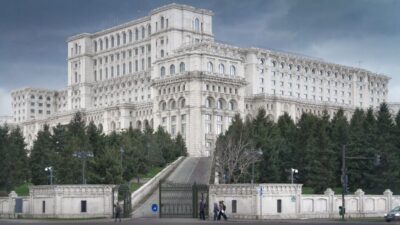
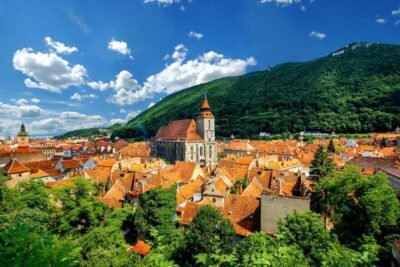
Day Trip to Dracula Castle, Peles Castle & Brașov
Read our review →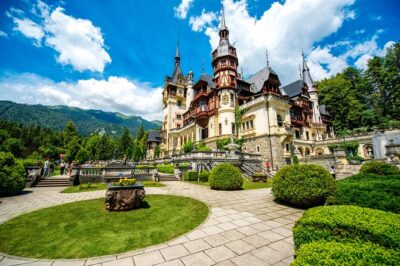
Bucharest to Dracula Castle, Peles Castle and Brasov Guided Tour
Read our review →