Reviewed · BUCHAREST TOURS
Bucharest: The Italian emigration in Romania
Bucharest’s Italian connection gives this two-hour walk a sharper focus than a standard city tour. You follow the Dambovita River into Victory Road, linking grand buildings, political turning points, and the Italian craftsmen and immigrants who helped shape the capital.
I like the route’s concentration: the CEC Palace, Atheneum, Italian Church, and Revolution Square all appear in one compact walk. I also like that the tour is conducted in Italian, with a local guide who can explain both the buildings and their place in Bucharest’s past. The main caution is practical: the meeting office can be hard to spot, so follow the instructions carefully and arrive early.
In This Review
- Key points to know before you book
- Why Bucharest’s Italian story makes this walk different
- Starting beside the Dambovita River
- Following Victory Road into Bucharest’s past
- Revolution Square and the old Senate house
- The Atheneum and the Italian Church
- Ending in the Old Town
- What $34 buys you in two hours
- The guide can make or break the experience
- Practical advice for the walk
- Who should choose this Bucharest walk?
- Should you book it?
- FAQ
- Where does the tour start?
- How long does the experience last?
- What language is the tour conducted in?
- What is included in the price?
- How much does the tour cost?
- Which Bucharest landmarks are included?
- Where does the tour end?
- What should I bring?
- Can I cancel for a refund?
- Can I reserve now and pay later?
Key points to know before you book
- Italian focus: Trace immigration from the late 18th and early 19th centuries and its effect on Bucharest.
- A strong central route: Walk from Piata Natiunile Unite along Victory Road and finish in the Old Town.
- Major landmarks included: See the Palace of Justice, CEC Palace, National History Museum, Revolution Square, Atheneum, and Italian Church.
- Italian-speaking guide: The live tour guide speaks Italian. Daniel has been praised for clear explanations, friendly service, punctuality, and flexibility with requested stops.
- Short and manageable: The tour lasts two hours and costs $34 per person, a fair price if you want a focused introduction rather than a full-day city tour.
- Meeting point matters: Meet at Piata Natiunile Unite, about 100 meters from the Transylvanian Wonders office at Bulevardul Natiunile Unite 4, Bloc 107/A.
Why Bucharest’s Italian story makes this walk different
Bucharest is often introduced through grand avenues, communist-era architecture, and the Old Town’s restaurants. This walk takes another route into the city’s past. Its subject is the Italian presence that grew in Romania during the late 18th and early 19th centuries.
That focus gives familiar landmarks a new purpose. You are not simply stopping at a fine-looking bank or a famous square. You are being asked to notice where Italian people, skills, ideas, and religious life affected Bucharest’s development.
The subject is especially useful if you have already seen the city’s headline sights and want a more specific story. It also suits an Italian-speaking visitor who would rather hear history in Italian than in English or Romanian. The live guide is listed as Italian-speaking, and the experience provider is Transylvanian Wonders SRL.
You should keep your expectations in proportion. This is a two-hour walking tour, not an exhaustive study of Italian immigration. The route gives you a compact introduction, with buildings and public spaces serving as the main evidence.
A few more Bucharest tours worth a look
- Bucharest: Dracula’s Castle, Peles Castle, & Brasov Old Town
★ 4.5 · 17,858 reviews - Bucharest: Dracula Castle, Peles Castle & Brasov Old Town
★ 4.6 · 10,891 reviews - Bucharest: Dracula’s Castle, Peleș Castle & Brașov Day Trip
★ 4.5 · 5,919 reviews
Starting beside the Dambovita River
The tour begins at Piata Natiunile Unite. The stated meeting point is about 100 meters from the Transylvanian Wonders office, located at Bulevardul Natiunile Unite 4, Bloc 107/A.
That small distance matters. The instructions say to meet in Piata Natiunile Unite, not necessarily inside the office itself. One serious complaint concerned an empty or difficult-to-find office and a lack of signs. I would arrive with time to spare, check the exact location before setting out, and keep your phone available in case the guide needs to reach you.
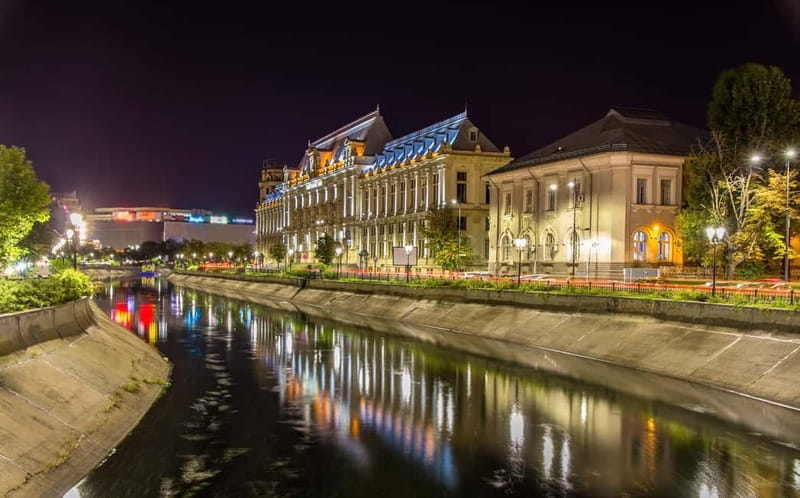
From the square, you cross the Dambovita River. This opening is more than a simple transfer from one street to another. The river helps you shift from the modern meeting area into the older central district, where the tour’s architectural and historical thread begins.
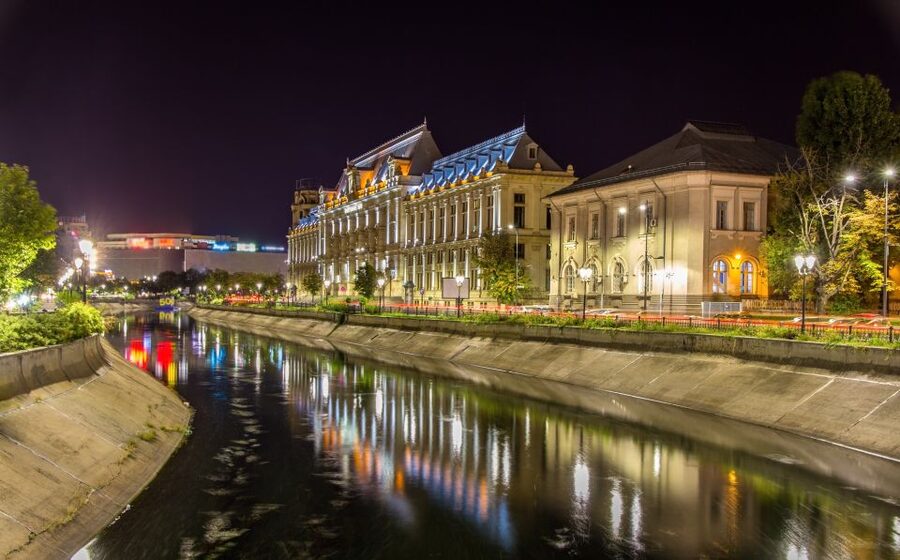
The Palace of Justice is the first major highlight listed. Set on the banks of the Dambovita, it gives the walk an immediate sense of scale. You can expect your guide to place the building within Bucharest’s civic story while beginning the wider discussion of foreign influence and Italian participation in the city.
The stop also helps you understand the route physically. The river, the square, and the judicial building create clear reference points, which is useful if this is your first visit to Bucharest’s center.
Following Victory Road into Bucharest’s past
The route then enters Victory Road, or Calea Victoriei, one of Bucharest’s best-known streets. The tour presents it as the main stage for the city’s Italian connections.
I like this part of the plan because a major avenue gives the subject a visible backbone. Instead of hearing a list of names in a lecture room, you move from building to building and connect the story to actual streets and facades.
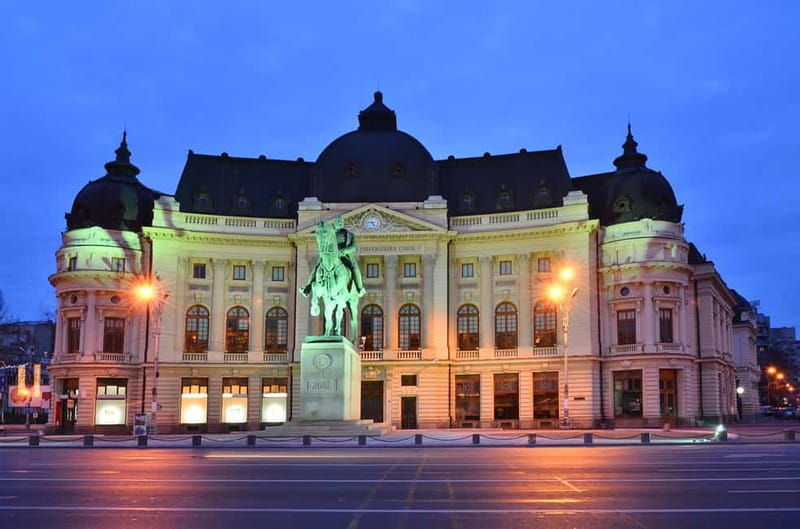
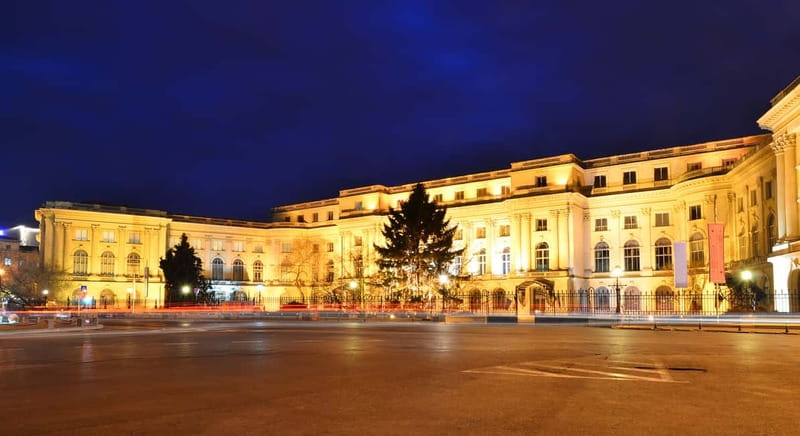
The walk is described as a trip through the most famous street in Bucharest, with the Italian influence revealed along the way. You will pass several places associated with the development of the capital, including the National History Museum and the CEC Palace.
The National History Museum adds political and national context to the route. It is one of the places where the city’s past is presented on a larger scale, while the tour’s special theme keeps attention on Italian links. You should think of this as an exterior-focused walking experience unless your guide says otherwise. The supplied details do not include museum admission or an interior visit.
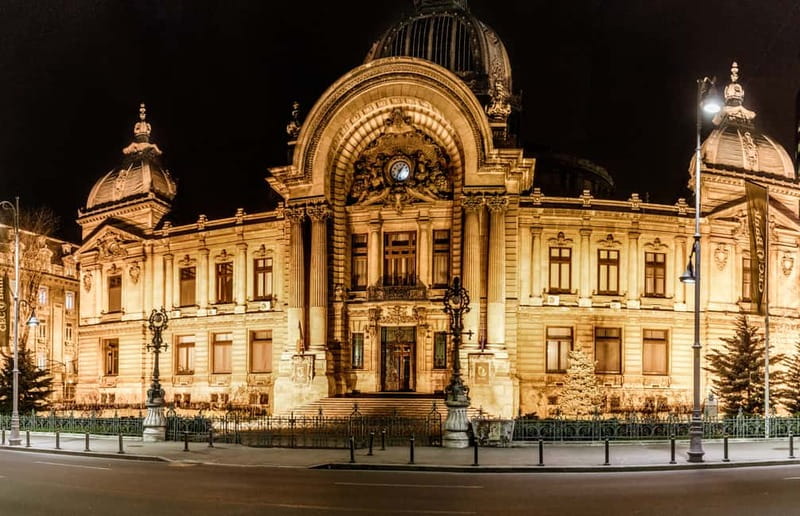
The CEC Palace is another central stop. Its ornate appearance makes it one of the most memorable buildings on the route, and the tour specifically highlights the CEC bank building. Here, the Italian angle can help you look past the postcard view and consider the skilled workers, designers, and cultural exchanges that shaped Bucharest’s public architecture.
The walk along Victory Road is also where the tour earns much of its $34 price. You cover several important places without spending half a day on transport between them. For a first afternoon in Bucharest, that compact design can be useful.
Revolution Square and the old Senate house
Revolution Square brings a different mood. The square is tied to major political events, and the tour includes both the square and the old Senate house.
This section broadens the experience beyond architecture. Italian immigration is the central subject, but the guide also discusses Bucharest’s troubled history and the development of the capital. That combination should help you see how outside communities became part of a city shaped by political change.
The old Senate house adds another physical marker to the square. You can expect the guide to connect the building and surrounding space with the city’s political past, though the available details do not specify an interior visit or the exact amount of time spent there.
I would pay attention to the pace here. With several landmarks still ahead, the guide has roughly two hours to explain a great deal. If you enjoy lengthy discussion at every stop, the tour may feel brisk. If you prefer a clear overview with plenty of sights in a short period, the timing works in its favor.
One useful feature comes from the guide feedback: Daniel was praised for answering questions and accommodating specific stop requests. That suggests it is worth telling your guide at the beginning if one of the listed places matters most to you. Do not assume every request can be added, but the tour appears to allow some flexibility when time permits.
A different side of the city, same short trip:
- Bucharest: Palace of Parliament Tickets and Guide
★ 4.3 · 3,182 reviews - Bucharest: Day Trip to Dracula Castle, Peles Castle & Brașov
★ 4.4 · 3,049 reviews - Bucharest to Dracula Castle, Peles Castle and Brasov Guided Tour
★ 4.5 · 2,933 reviews - Bucharest: Palace of Parliament Tickets and Guided Tour
★ 4.4 · 1,877 reviews
The Atheneum and the Italian Church
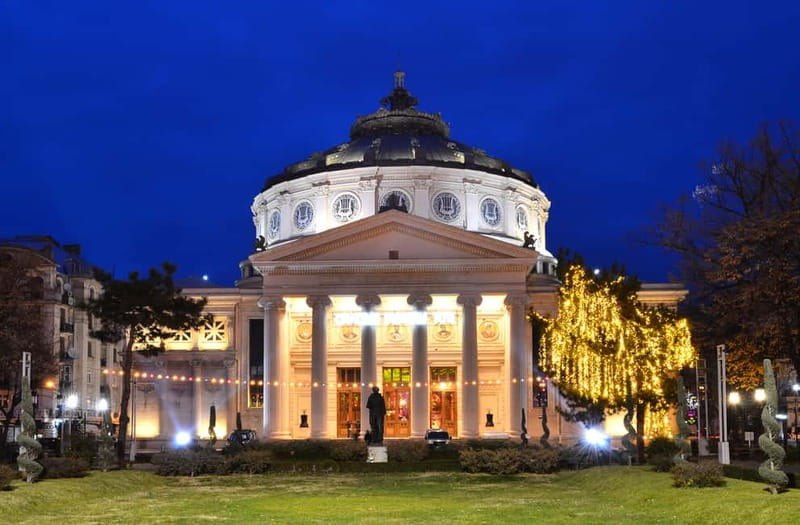
The Romanian Atheneum is another key stop on Victory Road. Its inclusion keeps the tour centered on cultural life as well as government, finance, and national history.
The Atheneum is the kind of building that rewards a slow look, even during a walking tour. Your guide can help connect its public role to the wider story of Bucharest and explain how Italian influence fitted into the city’s growth. The information provided does not promise entry, so plan on viewing it as part of the outdoor route.
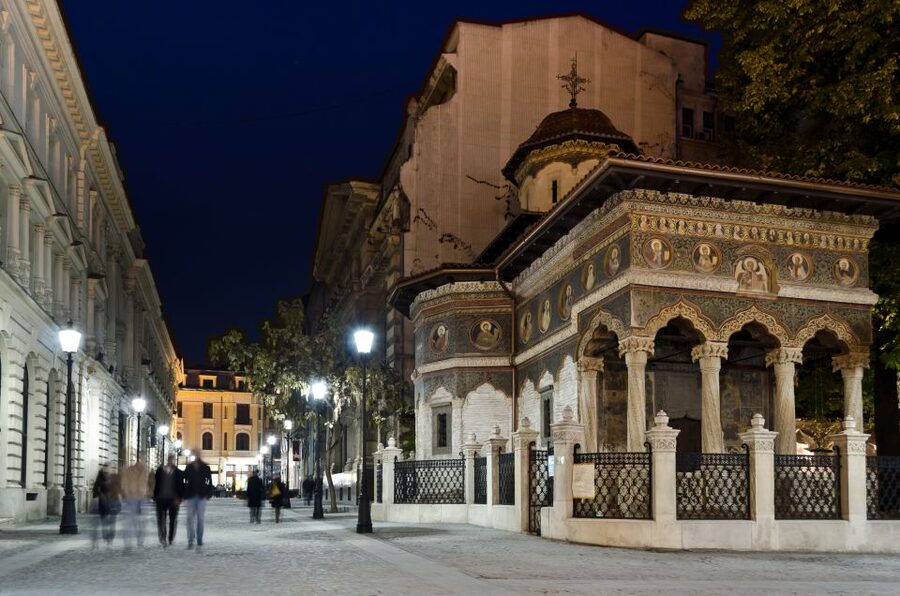
The Italian Church gives the tour its most direct physical link to the community it studies. It is one thing to hear that Italians lived and worked in Bucharest. It is another to reach a place tied specifically to Italian religious and social life.
This stop should be especially useful for Italian speakers and for anyone interested in how immigrant groups kept a sense of identity while contributing to their new city. The tour’s subject becomes more personal here, moving from large civic buildings to a place connected with community life.
The listed highlights also mention other places where Italians left an important mark. Since the exact full stop list is not provided, you should expect the named landmarks to form the reliable core of the route, with additional points explained along the way as time allows.
Ending in the Old Town
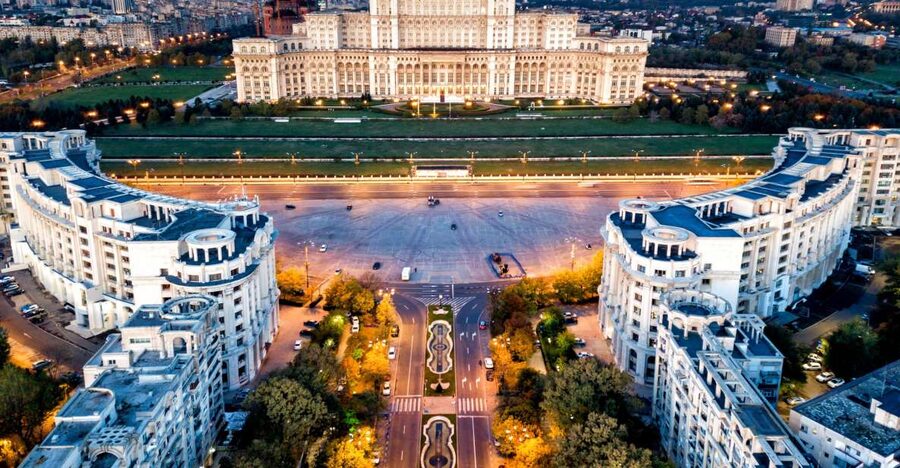
The walk ends in Bucharest’s Old Town with a short recap of Italian immigration’s importance in Bucharest and Romania.
That is a sensible finish. The Old Town is a natural place to continue exploring after the guide leaves, and a recap gives you a chance to organize the many names and buildings from the walk. You finish in a central area rather than being taken back by vehicle, so you can continue sightseeing or stop for food nearby.
The activity information also says the tour ends back at the meeting point. Read the two details together when planning your day: the route description places the final recap in the Old Town, while the meeting information says the activity ends at the meeting point. I would confirm the exact finishing location with the guide at the start, especially if you have a timed reservation afterward.
That small clarification is worthwhile because Bucharest’s center is walkable but not always intuitive on a first visit. It also prevents confusion if you expect to finish in the Old Town and the group returns to Piata Natiunile Unite.
What $34 buys you in two hours
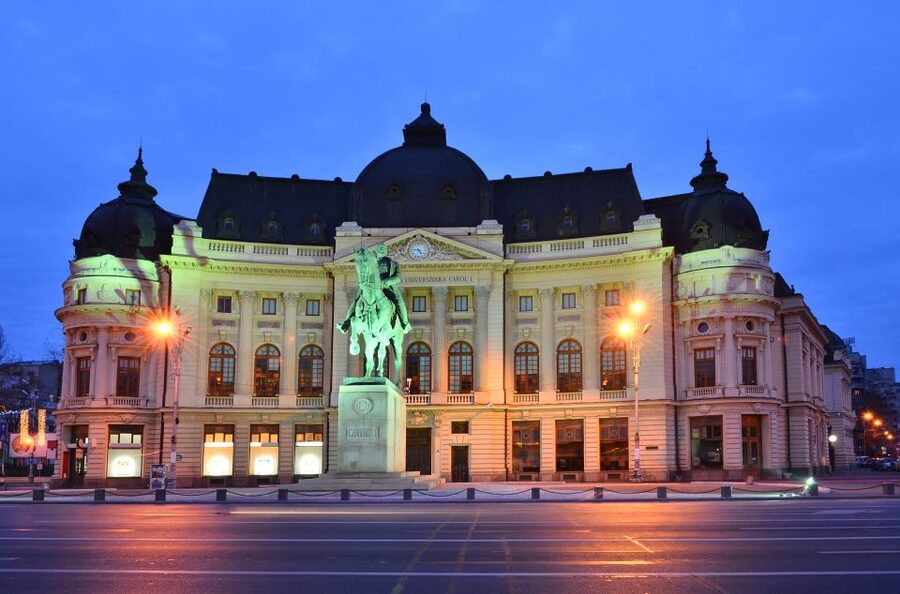
At $34 per person, this is not the cheapest way to walk through Bucharest. You are paying for a themed route and a professional local guide, rather than simply following a free map between landmarks.
The value depends on your interests. If you want a general introduction to Bucharest, you may find the Italian focus too narrow. If you are interested in migration, architecture, cultural exchange, or Italian connections abroad, the subject gives the city a memorable point of view.
The price is easier to justify because the route includes several major sights: the Palace of Justice, National History Museum, CEC Palace, Revolution Square, old Senate house, Atheneum, Italian Church, Victory Road, and Old Town. You also get a live Italian-speaking guide for two hours.
No admissions, food, hotel pickup, or transport are listed as included. The only stated inclusion is a professional local guide. Plan your budget on that basis.
A two-hour length can be a real advantage. You can fit the walk into a morning or afternoon without giving up most of your day. It is also a good first activity if you want an introduction before exploring Bucharest on your own.
The guide can make or break the experience
The strongest personal account supplied names Daniel as an excellent guide. He was described as informative about the stops and the city, able to answer questions, punctual, friendly, humorous, and willing to adjust the route for requested stops. He even arranged to begin at a hotel for that booking.
That last detail should not be treated as a standard promise. The official meeting information gives Piata Natiunile Unite as the start, and hotel pickup is not listed as included. Still, it shows the sort of practical flexibility you may be able to request in advance.
The lack of a guide’s name in the general activity details means Daniel may not lead every departure. Book this for the Italian-language theme and listed route, not on the assumption that Daniel will be your guide.
Language is central here. The live guide is listed as Italian, and no other tour language is specified. If you need English or another language, confirm before booking. A two-hour talk about architectural and political history is only useful if you can follow it comfortably.
Practical advice for the walk
Wear comfortable shoes. The route is a walking tour through central Bucharest, and even a short two-hour outing can feel long in poor footwear.
Dress for the weather. The activity is outdoors for much of its duration, and no indoor admissions are listed. Bring clothing suited to the forecast rather than relying on the grand buildings to provide shelter.
Arrive early at Piata Natiunile Unite. The office is at Bulevardul Natiunile Unite 4, Bloc 107/A, but the instructions place the meeting point in the square, about 100 meters away. The reported confusion over signage is the clearest practical warning attached to this activity.
Alcohol and drugs are not allowed. Audio recording is also not allowed, and bare feet are prohibited. The tour is not considered suitable for people over 95 years old.
You can cancel up to 24 hours ahead for a full refund, and the reserve-now, pay-later option lets you keep your plans open without paying at the time of booking. Those terms reduce the risk if your Bucharest schedule is still changing.
Who should choose this Bucharest walk?
I would choose this tour if you speak Italian and want a city walk with a clear theme. It should also suit visitors who have already seen the standard sights and want to understand how an immigrant community contributed to Bucharest’s buildings and institutions.
It is a good fit for architecture fans, history students, Italian visitors, and anyone curious about cultural links between Italy and Romania. The route also works for people who want a short introduction before spending more time in the Old Town.
I would be more cautious if you want a broad Bucharest overview, extensive time inside museums, or a slow, highly detailed examination of every landmark. Two hours passes quickly, and the supplied information does not include entrance tickets or guided interiors.
The experience has an overall rating of 4 out of 5 from six ratings, but the feedback is uneven. One account praises Daniel’s punctuality, humor, answers, and flexibility. Another reports that the tour did not take place because no one could be found at the office. That makes meeting-point communication especially important.
Should you book it?
Book this walk if the Italian connection is the reason you are interested. The route packs a strong group of central Bucharest landmarks into two hours, and a good Italian-speaking guide can turn familiar buildings into part of a larger story about immigration and urban development.
Skip it if you want a general sightseeing tour or guaranteed interior access. Before booking, confirm the exact meeting point, the guide’s language, and the finishing location. At $34, it offers solid value for a focused, guide-led introduction, provided you arrive prepared and the Italian theme matches what you want from Bucharest.
FAQ
Where does the tour start?
Meet at Piata Natiunile Unite in Bucharest. The meeting point is about 100 meters from the Transylvanian Wonders office at Bulevardul Natiunile Unite 4, Bloc 107/A.
How long does the experience last?
The walking tour lasts two hours.
What language is the tour conducted in?
The live tour guide speaks Italian.
What is included in the price?
A professional local guide is included. Entrance tickets, food, and transport are not listed as included.
How much does the tour cost?
The listed price is $34 per person.
Which Bucharest landmarks are included?
The route includes the Palace of Justice, National History Museum, CEC Palace, Revolution Square, old Senate house, Atheneum, Italian Church, Victory Road, and Bucharest’s Old Town.
Where does the tour end?
The route description says the tour ends in Bucharest’s Old Town. The meeting information also says the activity ends back at the meeting point, so confirm the precise finish with your guide.
What should I bring?
Bring comfortable shoes and clothing suitable for the weather.
Can I cancel for a refund?
You can cancel up to 24 hours in advance for a full refund.
Can I reserve now and pay later?
Yes. The reserve-now, pay-later option lets you hold your plans without paying at the time of booking.
Recently added around Bucharest
- 6h Communism Tour in Bucharest with Ceausescu Mansion★ 4.5 · 6 reviews
- From Bucharest : Day Trip to Peles, Dracula’s Castle, Brasov★ 4.7 · 6 reviews
- Bears Sanctuary, Dracula Castle and Brasov City – Full Day Trip from Bucharest★ 5.0 · 6 reviews
- Dracula Private Tour★ 5.0 · 6 reviews
- Transfagarasan Road Private Day Trip from Bucharest / The Best Road in the World★ 5.0 · 6 reviews
- Hiking thought the best mountain villages in Romania-Private tour from Brasov★ 5.0 · 6 reviews
- Bucovina Painted Monasteries & Transylvania Tour: 4-Day Private★ 5.0 · 6 reviews
- Bucharest : Wednesday, Dracula & Peles 3 Castles Tour 1 Day★ 4.7 · 6 reviews
Bucharest Tours, compared.
Dracula’s Castle, Peles Castle, & Brasov Old Town
Read our review →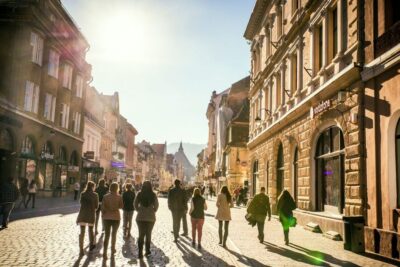
Dracula Castle, Peles Castle & Brasov Old Town
Read our review →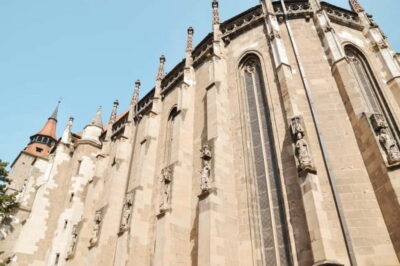
Dracula’s Castle, Peleș Castle & Brașov Day Trip
Read our review →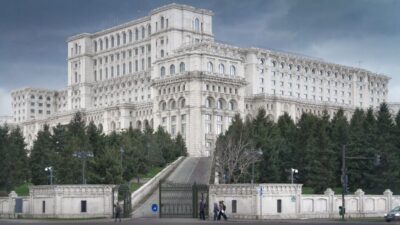
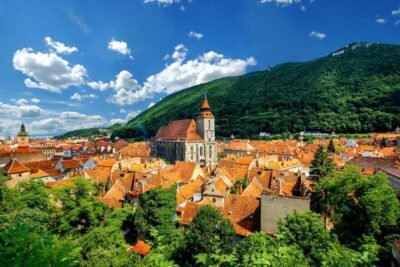
Day Trip to Dracula Castle, Peles Castle & Brașov
Read our review →
Bucharest to Dracula Castle, Peles Castle and Brasov Guided Tour
Read our review →