Reviewed · BUCHAREST TOURS
Bucharest Ghosts Stories and Mythology
Bucharest’s spooky side is less about jump scares than about Romanian beliefs surrounding death, witches, vampires, and restless spirits. This evening walk links city landmarks with tales of strigoi, funeral customs, exorcisms, and supposedly haunted buildings.
I like the small group, limited to 12 people, and the range of guides, including Tudor, Gabriela, Bogdan, Rares, and Ali. I also like the 7 p.m. start, which lets you see central Bucharest in a quieter, more atmospheric light. The main drawback is that some stops are more like settings for storytelling than major sights, so the walking can feel slow if you want a nonstop ghost hunt.
In This Review
- Key points to know before booking
- What kind of ghost tour is this?
- Meeting at the National Theatre after dark
- The Central School and Bucharest’s haunted-school tales
- Resting in Parcul Ion Voicu with stories of strigoi
- Gradina Icoanei and the old pond used by witches
- Exorcism stories outside the Anglican church
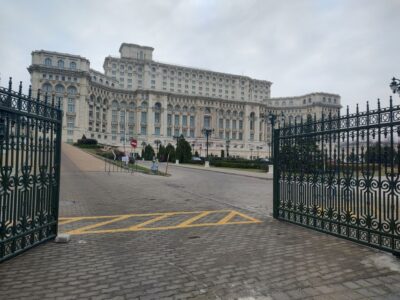
- The final walk to University House
- Why the small group helps
- Is $33.88 a fair price?
- Weather, clothing, and the right expectations
- Who will enjoy this Bucharest evening walk?
- Should you book Bucharest Ghosts Stories and Mythology?
- FAQ
- Where does the Bucharest ghost tour start?
- What time does the tour begin?
- How long does the experience last?
- Where does the tour finish?
- What language is the tour offered in?
- How many people can join the tour?
- What places are included on the route?
- Is hotel pickup or drop-off included?
- Can I cancel for a full refund?
Key points to know before booking
- Stories matter more than special effects: Expect folklore, cultural customs, and personal tales rather than actors jumping from doorways.
- The group stays small: A maximum of 12 people makes it easier to hear the guide and ask questions.
- Romanian death customs are central: The tour goes beyond Dracula and explains beliefs about strigoi, spirits, witches, and exorcism.
- The route uses real city places: You visit the National Theatre, Central School, two parks, and the Anglican Church of the Resurrection.
- Winter needs warm clothes: The walk lasts about two and a half hours, and part of the time is spent outdoors after dark.
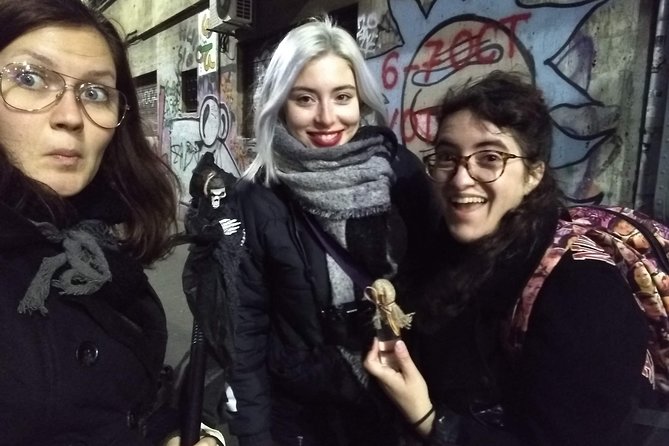
- The advertised costume may not appear: One visitor specifically found this disappointing, so book for the stories and setting, not a guaranteed costume.
What kind of ghost tour is this?
If you want a fast parade of haunted houses, this may not be your ideal evening. The appeal here is the way Romanian folklore meets ordinary Bucharest streets. Your guide explains how ideas about vampires, witches, the evil eye, funeral rituals, and supernatural beings fit into local culture.
The tone can change with the guide. Tudor is praised for combining documented facts with personal stories and for explaining Romanian funeral traditions. Gabriela, also called Gabi, is described as warm, funny, attentive, and full of practical suggestions for the rest of your visit. Bogdan brings humor, scientific explanations, and even film recommendations. Rares is noted for vivid storytelling, while Ali adds family stories and practical folklore, including ways to ward off the evil eye.
That variety is important. This is a guide-led experience, not a scripted theatrical show. You may hear a chilling story about a boarding school, a modern account of vampirism, or an explanation of how a supernatural belief developed. The best part is often the conversation between tales, when you can ask what is religious tradition, what is family lore, and what is supported by documented events.
The tour is offered in English and begins at 7 p.m. It lasts about two hours and 30 minutes. That gives the guide time to talk at each stop, but it also means you should expect a measured pace rather than a short stroll with a few quick anecdotes.
A few more Bucharest tours worth a look
- Bucharest: Dracula’s Castle, Peles Castle, & Brasov Old Town
★ 4.5 · 17,858 reviews - Bucharest: Dracula Castle, Peles Castle & Brasov Old Town
★ 4.6 · 10,891 reviews - Bucharest: Dracula’s Castle, Peleș Castle & Brașov Day Trip
★ 4.5 · 5,919 reviews
Meeting at the National Theatre after dark

The walk begins beside the Ion Luca Caragiale National Theatre on Bulevardul Nicolae Balcescu 2. The first stop is close to the meeting point and lasts about 10 minutes.
The theatre itself is not presented as a ticketed attraction during this experience. Instead, it helps set the scene. You begin in a recognizable part of central Bucharest, then shift your attention from grand public buildings to the uneasy stories that can gather around them after sunset.
This is a practical meeting point because it is in central Bucharest and near public transportation. You do not get hotel pickup, so plan to reach the theatre on your own. The end point is University House on Strada Dionisie Lupu 46, close to Piata Romana, which gives you a useful place to continue your evening.
Arrive with the exact meeting instructions at hand. The provider has used WhatsApp messages to help people find the guide, and that kind of contact can be useful in a busy city center. The guide is expected to speak English, but the experience depends heavily on clear listening, since much of the value comes from the detail in the stories.
The Central School and Bucharest’s haunted-school tales
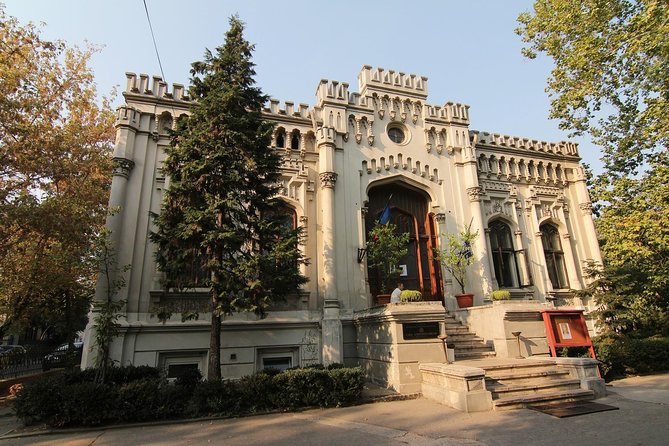
The Central School is the first substantial stop, with about 15 minutes set aside for it. It is described as an architectural monument and a famous haunted school.
This is the sort of stop that works best when you let the guide build the mood. During the day, a school can seem like a formal building with a civic purpose. At night, its corridors, windows, and past occupants offer a natural setting for tales about strange events and lingering spirits.
You will not receive an admission ticket because the tour is conducted from the outside. That keeps the price reasonable, but it also means your view of the building depends on where the group can stand and how much the guide can explain from the street.
Several people single out the school story as especially chilling. If you enjoy ghost lore tied to institutions, this may be one of the stronger sections of the evening. If you prefer verified historical attractions, keep your expectations in check. The point is the tale and the cultural setting, not an interior tour or a formal architectural visit.
Resting in Parcul Ion Voicu with stories of strigoi
After the school, the route reaches Parcul Ion Voicu. The group spends around 15 minutes here, using the park as a place to rest and hear about strigoi.
That pause matters. A two-and-a-half-hour walking tour needs a few moments when you can stop, listen, and catch your breath. Here, the guide can explain one of Romania’s most famous supernatural ideas without competing with traffic or constant movement.
The word strigoi covers restless or troubled spirits in Romanian folklore. The tour uses these stories to discuss how people understand death, the return of the dead, and the boundary between the ordinary and the supernatural. The result is more cultural than cinematic. You are not simply hearing about a monster. You are learning how a belief can connect with family customs, religion, and fears about improper burial or unfinished business.
This section may appeal most if you enjoy folklore with social context. It may feel less exciting if you expect a dramatic location at every stop. The park itself is a pause in the route, and the guide’s delivery does much of the work.
A different side of the city, same short trip:
- Bucharest: Palace of Parliament Tickets and Guide
★ 4.3 · 3,182 reviews - Bucharest: Day Trip to Dracula Castle, Peles Castle & Brașov
★ 4.4 · 3,049 reviews - Bucharest to Dracula Castle, Peles Castle and Brasov Guided Tour
★ 4.5 · 2,933 reviews - Bucharest: Palace of Parliament Tickets and Guided Tour
★ 4.4 · 1,877 reviews
Gradina Icoanei and the old pond used by witches
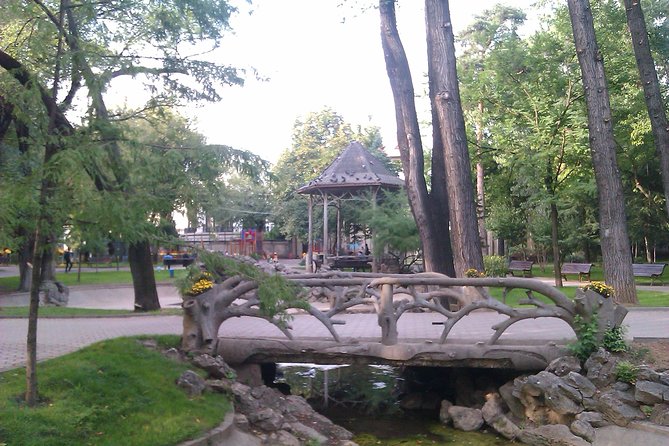
The next park, Gradina Icoanei, receives about 10 minutes. The story here centers on a pond that was once used by witches for rituals.
The setting gives the tour another change of mood. Parks can feel open and harmless in daylight, but a dark path and a story about old rituals can make familiar public space seem less certain. Your guide explains the belief attached to the place, allowing you to compare the modern park with the older image of the area.
Do not expect to see a preserved ritual site. The information describes a former pond and a story connected to it, not an intact attraction with displays or archaeological remains. This is a location-based folklore stop, and its success depends on how well the guide connects the physical place with the tale.
Ali’s section of the experience, as described by the supplied feedback, can be especially useful for people interested in everyday superstition. Her stories include family traditions, the evil eye, and ways to recognize or ward off harmful supernatural forces. Those details give the tour a personal edge that a standard list of vampire facts would miss.
Exorcism stories outside the Anglican church
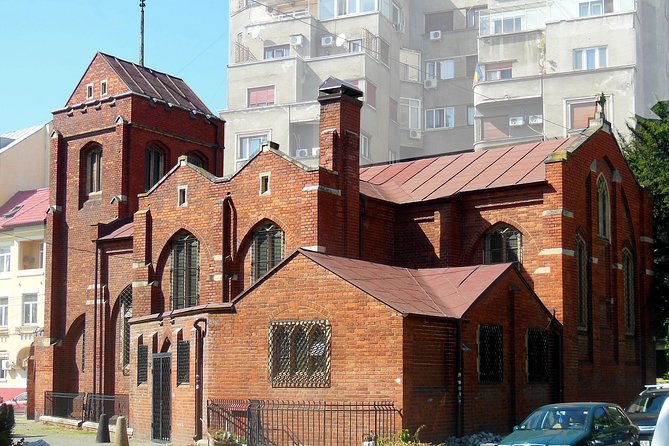
At the Anglican Church of the Resurrection, the group spends roughly 10 minutes outside the church. This is where the guide tells stories of real exorcism.
The stop adds a religious layer to the walk. Romanian supernatural traditions do not sit in a separate box from religious belief, and the tour explores that overlap. You hear about exorcism as a serious subject, then consider how it relates to stories about spirits, possession, fear, and protection.
Again, this is an exterior stop. The experience does not include entry to the church, a service, or a formal religious presentation. You are there to hear the story in front of the building.
The church stop can be powerful for anyone curious about how religion and superstition interact in Romania. It can also be more serious than the lighter tales about haunted houses or vampires. Ask questions if you want to separate documented incidents from folklore, since some guides make a point of offering both a supernatural explanation and a scientific one.
The final walk to University House
The tour ends at University House on Strada Dionisie Lupu 46, near Piata Romana. The end point is not the same as the start, which is helpful if you want to continue exploring central Bucharest rather than retrace your steps.
This area gives you a practical launching point for the rest of the evening. The guide may also be able to suggest food or other places to visit. Gabriela is particularly praised for giving tips about what to eat and where to go next, though that kind of extra help can vary by guide.
The route is built around several short stops, so the guide fills the spaces between them with additional tales. Stories about the Devil’s House, the Poltergeist House, and the Cat’s House have been especially popular. These names suggest a more traditional ghost-tour flavor, but the overall program still leans toward storytelling and Romanian cultural beliefs rather than staged horror.
One four-star assessment found the walking-to-talking ratio disappointing and felt that some locations were not closely tied to the stories. That is the clearest warning to keep in mind. You are paying for the guide’s narration, not a series of spectacular landmarks.
Why the small group helps
The tour accepts a maximum of 12 people and runs with at least two participants. That is a good size for this type of experience. You can usually hear a softly told story, ask about an unfamiliar custom, and stay close to the guide without the feel of a large city group.
The small format also helps when the guide shares personal material. Tudor’s approach includes family and cultural details alongside documented facts. Ali brings stories from her own family. Gabriela is described as adjusting to the group’s needs and answering questions. Those touches can make the evening feel like a conversation rather than a lecture.
There is one practical risk: the experience can be canceled after confirmation if the minimum number is not reached. If that happens, you are offered another option or a full refund. It is worth keeping your booking confirmation and contact details available on the day.
Is $33.88 a fair price?
At $33.88 per person, the cost is reasonable if you want an English-language introduction to Romanian folklore with a guide who can interpret what you are seeing. You are not paying admission fees, transport, hotel transfers, or a theatrical production. The price mainly covers the guide’s time and storytelling for about two and a half hours.
I would compare it with the cost of a short evening activity in central Bucharest. Since the route includes several places you could pass without understanding their local associations, the value comes from context. Without the guide, you would see parks, a school, a church, and a theatre. With the guide, those places become prompts for stories about death, ritual, and belief.
The value drops if you want a polished show with costumes, props, or frequent scares. One person was disappointed because the guide did not wear the costume suggested in the advertising. Treat the experience as a walking folklore talk, and the price makes more sense.
Group discounts are available, which may help if you are booking for several people. Gratuities are not included, so plan for that separately if you feel the guide has earned one.
Weather, clothing, and the right expectations
This is an outdoor evening walk. The experience requires good weather and can be canceled if conditions are poor, with a different date or a full refund offered. You should also dress for the season, especially in winter. A warm coat and comfortable shoes will do more for your enjoyment than any attempt to dress for the theme.
Rain has not stopped every tour from being enjoyable, but it can make a long walk less comfortable. Since the route includes parks and street-side stops, bring suitable clothing rather than assuming you will spend most of the time indoors.
Service animals are allowed, and most people can participate. The tour is near public transportation, but hotel pickup and drop-off are not included. Free cancellation is available up to 24 hours before the 7 p.m. start. Within 24 hours, changes are not accepted and the payment is not refunded, except when the provider cancels for weather or lack of minimum numbers.
Who will enjoy this Bucharest evening walk?
I would choose this tour if you like folklore, local customs, oral storytelling, and the uneasy feeling of seeing familiar streets after dark. It is also a good fit if you have already seen Bucharest’s main daytime sights and want an activity that explains a less obvious part of Romanian culture.
It suits couples, friends, and small groups who enjoy asking questions. The mix of documented facts, scientific explanations, family stories, and supernatural interpretations gives you more to discuss than a standard vampire-themed stroll.
I would hesitate if your main goal is Dracula history, dramatic haunted interiors, or a costumed performance. The route has spooky places and memorable tales, but it does not promise entry to haunted buildings, hotel transfers, or a costume on every outing.
Should you book Bucharest Ghosts Stories and Mythology?
Book it if you want Romanian culture told through eerie stories, especially beliefs about strigoi, witches, funeral customs, exorcism, and the evil eye. The strongest guides turn a simple evening walk into a thoughtful look at how people explain death and the unknown.
Skip it if you need every stop to be a major attraction or every story to be tied to a clearly documented event. The tour’s best moments come from the guide, with Tudor, Gabriela, Bogdan, Rares, and Ali each bringing a different style. At $33.88, the small group and long storytelling time offer solid value, as long as you arrive ready for folklore rather than a haunted-house show.
FAQ
Where does the Bucharest ghost tour start?
It starts at the Ion Luca Caragiale National Theatre, Bulevardul Nicolae Balcescu 2, Bucharest.
What time does the tour begin?
The tour starts at 7 p.m.
How long does the experience last?
It lasts approximately two hours and 30 minutes.
Where does the tour finish?
It ends at University House, Strada Dionisie Lupu 46, near Piata Romana.
What language is the tour offered in?
The tour is offered in English with an English-speaking guide.
How many people can join the tour?
The minimum is two participants, and the maximum group size is 12 people.
What places are included on the route?
The route includes the National Theatre Ion Luca Caragiale, the Central School, Parcul Ion Voicu, Gradina Icoanei, and the Anglican Church of the Resurrection.
Is hotel pickup or drop-off included?
No. Hotel pickup and hotel drop-off are not included.
Can I cancel for a full refund?
Yes. You can cancel at least 24 hours before the start time for a full refund. Cancellations or changes made less than 24 hours before the start are not refunded.
Recently added around Bucharest
- Bears Sanctuary, Dracula Castle and Brasov City – Full Day Trip from Bucharest★ 5.0 · 6 reviews
- 6h Communism Tour in Bucharest with Ceausescu Mansion★ 4.5 · 6 reviews
- From Bucharest : Day Trip to Peles, Dracula’s Castle, Brasov★ 4.7 · 6 reviews
- Dracula Private Tour★ 5.0 · 6 reviews
- Transfagarasan Road Private Day Trip from Bucharest / The Best Road in the World★ 5.0 · 6 reviews
- Bucharest : Wednesday, Dracula & Peles 3 Castles Tour 1 Day★ 4.7 · 6 reviews
- Hiking thought the best mountain villages in Romania-Private tour from Brasov★ 5.0 · 6 reviews
- Bucovina Painted Monasteries & Transylvania Tour: 4-Day Private★ 5.0 · 6 reviews
Bucharest Tours, compared.
Dracula’s Castle, Peles Castle, & Brasov Old Town
Read our review →
Dracula Castle, Peles Castle & Brasov Old Town
Read our review →
Dracula’s Castle, Peleș Castle & Brașov Day Trip
Read our review →
Day Trip to Dracula Castle, Peles Castle & Brașov
Read our review →
Bucharest to Dracula Castle, Peles Castle and Brasov Guided Tour
Read our review →