Reviewed · BUCHAREST TOURS
Best of Romania in 10 Days
Romania packs an astonishing range of sights into this 10-day loop: royal castles, medieval citadels, painted monasteries, salt mines, Saxon villages, and the high Transfagarasan Highway. You start and finish in Bucharest, with nine hotel nights included and transport in a modern vehicle.
I like the maximum group size of eight, which matters on long road days and narrow town streets. I also like the route’s mix of famous sights and living traditions, from pottery in Corund to the home cooking of Viscri. The trade-off is clear: you cover a lot of ground, so some days feel more like a moving history lesson than a relaxed stay in one place.
In This Review
- Key points to know before you book
- Why this route works for a first visit to Romania
- Day 1: Curtea de Arges, the Transfagarasan, and Sibiu
- Day 2: Castles, a fortress, and Turda’s salt mine
- Day 3: Bistrita and Voronet’s famous blue
- Day 4: Moldovita, Sucevita, and Iasi
- Day 5: Neamt Citadel and Piatra Neamt
- Day 6: Red Lake, Bicaz Gorge, Corund, Biertan, and Sighisoara
- Day 7: Viscri and Brasov
- Day 8: Bran Castle, Peles Castle, and Bucharest
- Day 9: The Palace of the Parliament and village life
- What the $2,907.69 price covers
- Pace, comfort, and who should book
- Should you book Best of Romania in 10 Days?
- FAQ
- Where does the tour start and end?
- How long is the tour?
- What is the maximum group size?
- What is included in the price?
- Is the tour offered in English?
- Is the price based on single or shared accommodation?
- Is a meal included every day?
- Can I cancel for a full refund?
Key points to know before you book
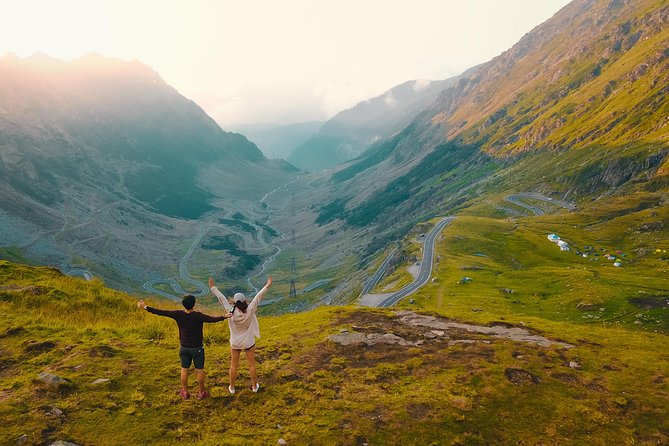
- Transfagarasan Highway on day one: Reach 2,042 meters in the Fagaras Mountains and begin the trip with one of Romania’s finest road views.
- Nine nights are included: Centrally located hotels, nine breakfasts, one traditional dinner, airport transfers, transport, and entrance fees are covered.
- A small group of up to eight: This makes pickups, sightseeing, and long drives easier than on a large coach tour.
- The painted monasteries of Bucovina: Voronet, Moldovita, and Sucevita show a distinctive religious art tradition, including Voronet’s famous blue.
- Long driving days are part of the deal: The route links Bucharest, Transylvania, Bucovina, Moldavia, and back to Bucharest, so comfortable shoes and patience help.
- The price is based on two sharing a room: At $2,907.69 per person, solo visitors should budget for a single-room supplement.
Why this route works for a first visit to Romania
Romania is not a country you can sample properly from one base. Bucharest gives you the capital, but the country’s most memorable places are spread across mountain roads and rural regions. This trip connects them without asking you to rent a car, plan hotel changes, or work out entrance fees at every major stop.
The route also gives you several versions of Romania. You see Wallachian religious landmarks, Transylvanian castles and Saxon towns, Bucovina’s painted churches, Moldavian fortresses, and the communist-era Palace of the Parliament. That variety is the main reason to choose this tour.
You should expect a busy schedule. Most stops are planned for about an hour, which is enough for an introduction, photographs, and a guided walk, but not enough for a slow museum visit or an unplanned café stop at every town. The benefit is range. The cost is time.
The small group helps keep the pace manageable. With no more than eight people, the guide can handle hotel pickups and town walks without the delays common to big buses. Departures are guaranteed with at least two confirmed people on the chosen date, so the experience can remain intimate even when the group is not full.
A few more Bucharest tours worth a look
- Bucharest: Dracula’s Castle, Peles Castle, & Brasov Old Town
★ 4.5 · 17,858 reviews - Bucharest: Dracula Castle, Peles Castle & Brasov Old Town
★ 4.6 · 10,891 reviews - Bucharest: Dracula’s Castle, Peleș Castle & Brașov Day Trip
★ 4.5 · 5,919 reviews
Day 1: Curtea de Arges, the Transfagarasan, and Sibiu
The first morning begins with pickup from your Bucharest hotel at 9:00 a.m. Your first stop is Curtea de Arges Monastery, built between 1512 and 1517. It was raised when Curtea de Arges served as Wallachia’s capital and later became a burial place for members of Romania’s royal family.
The monastery also introduces you to the legend of Manole, a story about sacrifice and lasting creation. That tale gives the building more meaning than a quick photo stop, especially if your guide explains how strongly it remains tied to Romanian cultural memory.
Then comes the Transfagarasan Highway. The road crosses the Southern Carpathians through the Fagaras Mountains and reaches 2,042 meters. You get about an hour for the stop, so plan on views and photographs rather than a long mountain walk.
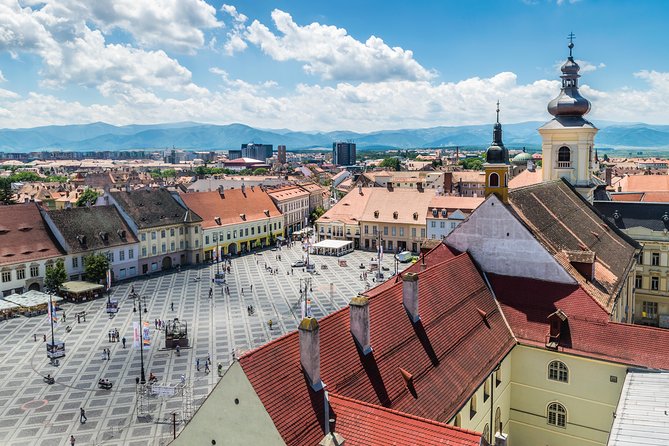
The day ends in Sibiu, a medieval city with more than 900 years of history. A guided walk through the historic center gives you a useful first look at Transylvania’s urban character. Sibiu is also known for its International Theatre Festival in summer and its Christmas market in winter, though the schedule does not include extra festival time.
Day 2: Castles, a fortress, and Turda’s salt mine
Day two starts early with Corvin Castle in Hunedoara. Also called Hunyad Castle, it is one of Romania’s largest castles and is linked with John Hunyadi. The building’s particular charm comes from its dramatic medieval form, so this is one of the day’s major photo stops.
Next is Alba Iulia and the Alba Carolina Fortress. Built from 1715 to 1738 in the Vauban style, the fortress was constructed by more than 20,000 Romanian peasants. Alba Iulia also connects to the union of Transylvania with Romania, one of the key events in the country’s modern story.
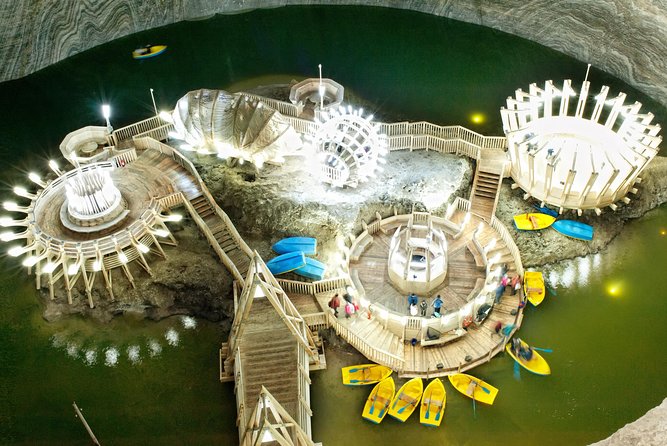
Turda Salt Mine changes the mood completely. Thirteen underground levels contain a theme park with a Ferris wheel, mini-golf course, tennis court, and lake. It is an unusual attraction, and the hour allotted here gives you a chance to see why the mine is more than a standard industrial site.
You finish in Cluj-Napoca, Transylvania’s largest city and a major student center. After a walk through the old center, you have free time near the hotel for cafés and bohemian restaurants. This is a welcome pause after a full day of historic sites.
Day 3: Bistrita and Voronet’s famous blue
The road turns toward Bucovina, with a stop in Bistrita at the foothills of the Bargau Mountains. The town sits near Pasul Tihuta, the route linking Transylvania and Bucovina, and it has a connection to Bram Stoker’s Dracula story: Jonathan Harker stayed here before meeting Count Dracula.
The stop includes a short sightseeing walk and a taste of products from a local bakery. That small food break is useful because it gives you a local detail beyond churches and fortresses.
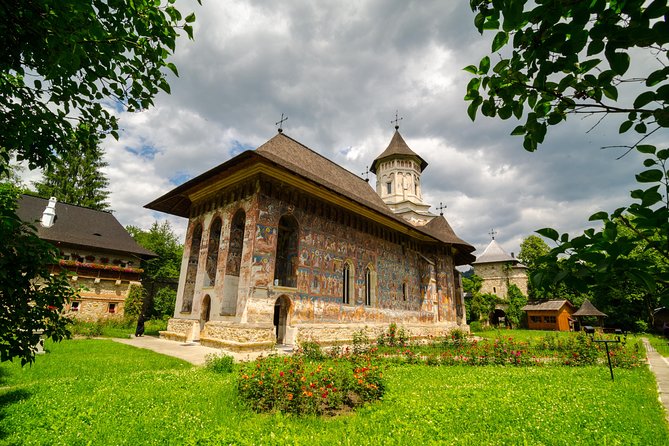
In Bucovina, you visit Voronet Monastery, one of eight UNESCO-listed Painted Monasteries of Bucovina. Built in 1488, it is best known for its distinctive blue, often called Blue of Voronet. You have about an hour to take in the exterior paintings and the setting.
The evening includes a traditional Romanian dinner at your hotel. Only one dinner is included during the trip, so this is a particularly useful chance to try local food without choosing a restaurant after a long drive.
A different side of the city, same short trip:
- Bucharest: Palace of Parliament Tickets and Guide
★ 4.3 · 3,182 reviews - Bucharest: Day Trip to Dracula Castle, Peles Castle & Brașov
★ 4.4 · 3,049 reviews - Bucharest to Dracula Castle, Peles Castle and Brasov Guided Tour
★ 4.5 · 2,933 reviews - Bucharest: Palace of Parliament Tickets and Guided Tour
★ 4.4 · 1,877 reviews
Day 4: Moldovita, Sucevita, and Iasi
Moldovita Monastery dates from 1532 to 1537 and entered the UNESCO World Heritage list in 1993. Like Voronet, it belongs to Bucovina’s painted-monastery tradition, but seeing several of these churches helps you compare their colors, scenes, and settings rather than treating one as an isolated sight.
Sucevita Monastery, built in 1585, adds another local legend. Its construction story tells of a woman who carried building materials in an ox-drawn cart to redeem her sins. You do not need to accept every legend as literal history to appreciate how these stories shape the way Romanians talk about their monuments.
The day ends in Iasi, Romania’s second-largest city and the birthplace of many Romanian cultural figures. A short walk through the historic center gives you an introduction before hotel check-in. Because the stop is brief, I would treat Iasi as a taste of the city rather than a full visit.
Day 5: Neamt Citadel and Piatra Neamt
From Iasi, the route heads to Targu Neamt and Neamt Citadel. The fortress was built during the reign of Peter I, from 1375 to 1391, and offers another look at medieval defense in the region.
Later, you reach Piatra Neamt and take a cable car ride before checking in. The cable car is listed without an admission charge, which is a nice change after a day of paid historic sites. Since the itinerary allows about an hour at each stop, you should expect a short scenic experience, not an extended mountain outing.
This is one of the lighter sightseeing days, though driving still takes time. If you prefer a trip with long stays in each city, this schedule may feel too quick. If you want to connect eastern Romania with Transylvania without arranging the transport yourself, it does its job well.
Day 6: Red Lake, Bicaz Gorge, Corund, Biertan, and Sighisoara
Day six is one of the most varied days. You leave for Transylvania through the Bicaz Gorges and reach Red Lake, formed in 1837 after storms caused part of Mount Ucigasu to collapse and block streams. Deposits with a reddish color gave the lake its name.
The road then leads to Corund, a center for pottery, woodworking, and local trade. The clay used by potters comes from a nearby stream. This stop is valuable because it brings you into contact with a working craft tradition rather than another royal or religious monument.
Biertan introduces the fortified churches of Transylvania. Saxon settlers arrived here in the 13th century, drawn partly by fertile soil suited to winemaking. The fortified church is one of the region’s UNESCO-listed villages with fortified churches, a group of sites that shows how worship and defense once shared the same walls.
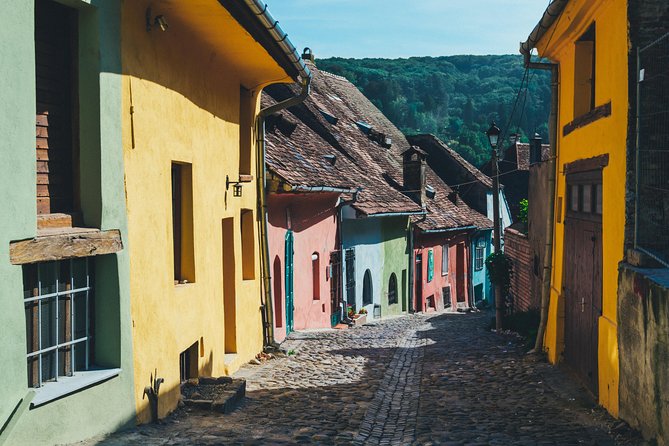
Your final stop is Sighisoara, built by Saxon colonists in the 12th century. Its citadel is described as the last inhabited one in Europe and is listed as a UNESCO World Heritage site. The old streets are a highlight, but this is also a long day with four scheduled stops. You will want good shoes and a charged phone for photographs.
Day 7: Viscri and Brasov
Viscri offers a quieter view of Transylvania. Prince Charles was drawn to the village’s simple character and the way local traditions have been preserved. You visit the fortified church and meet women known in the region for their cooking skills.
The exact food experience can vary, but the stop is designed to connect you with village life rather than only with architecture. It is one of the strongest parts of the route for anyone interested in rural customs and traditional food.
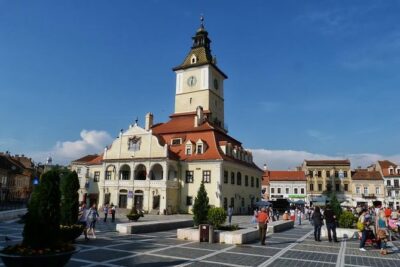
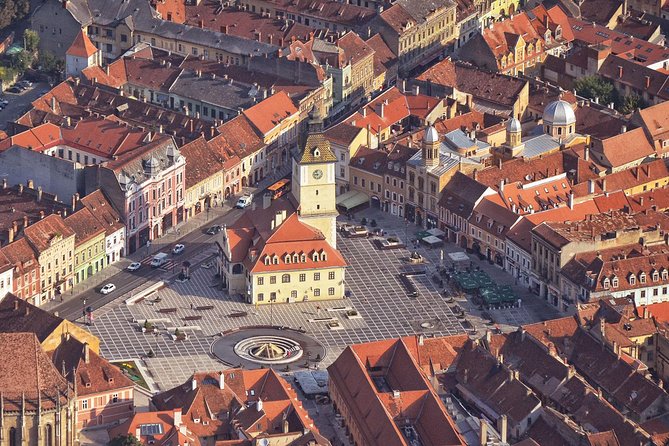
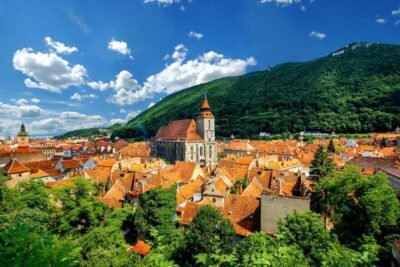
Later, you reach Brasov for a short walk through the historic center. Brasov is one of central Romania’s best-known cities, framed by the Carpathians and marked by its old Germanic character. The itinerary gives you an introduction, not a full city stay, so use your free moments well and ask your guide what can be seen near the hotel.
Day 8: Bran Castle, Peles Castle, and Bucharest
Bran Castle is about 30 minutes from Brasov. Its six centuries of history are often overshadowed by its Dracula connection, but the stop is designed to explain both sides: the real story of Vlad the Impaler and the fictional link created by Bram Stoker.
That distinction matters. Bran Castle is not simply a Dracula theme attraction, and you will get more from it if you approach the visit as a lesson in how history, tourism, and fiction became linked.
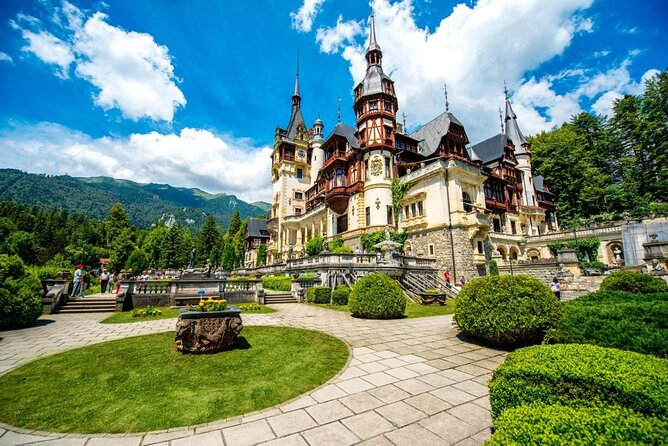
In Sinaia, Peles Castle offers a sharp contrast. It was the first fully electrified castle in Europe and grew to 3,200 square meters, with 160 rooms and more than 30 bathrooms. Its collections include more than 4,000 European and Oriental weapons, along with a major painting collection.
The day ends back in Bucharest, where the old town is available for an evening visit. After many days on the road, you may prefer dinner and rest, but the return to the capital gives you a useful change of pace.
Day 9: The Palace of the Parliament and village life
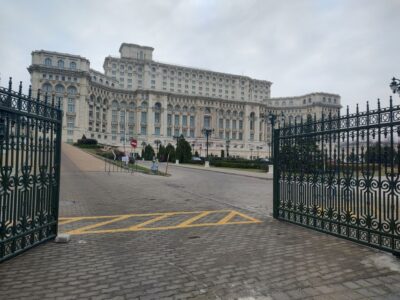
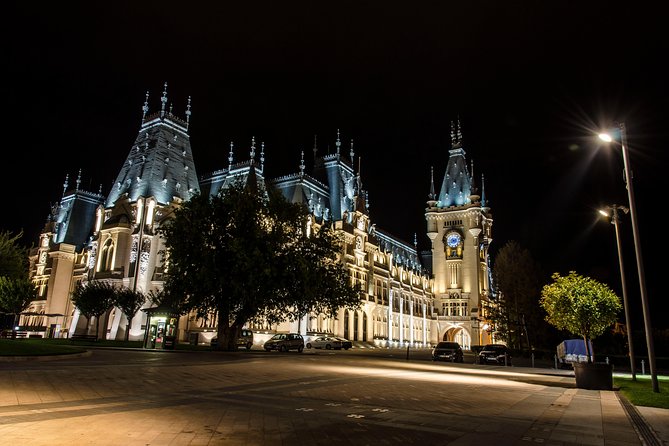
Your final sightseeing day focuses on Bucharest. The Palace of the Parliament, also called the People’s House, was part of Nicolae Ceausescu’s communist-era redevelopment project. It was intended to house state institutions and serve as a structure able to withstand earthquakes and nuclear attacks.
The building is commonly described as the second-largest building in the world. Its scale gives you a direct sense of the ambition and cost of Ceausescu’s rule, though the visit is very different from the medieval and rural sites earlier in the trip.
You then have free time for lunch in Bucharest’s old town. This is a good place to choose your own meal because only breakfast and one dinner are included.
The last stop is the Bucharest Village Museum, opened in 1936. Its 14 hectares contain 380 monuments, 60,000 traditional objects, and more than 250,000 archived documents connected with Romanian life. It provides a useful final counterpoint to the Palace of the Parliament by showing older homes, crafts, and rural traditions.
What the $2,907.69 price covers
The price is $2,907.69 per person when two people share a double room. That includes nine nights in centrally located hotels, nine breakfasts, one dinner, a professional English-speaking guide, modern-vehicle transport, airport pickup and drop-off, and entrance fees listed in the schedule.
That is a substantial price, but it covers the costly parts of a multi-city trip: private or small-group road transport, hotel changes, a guide, and admission to a long list of castles, churches, fortresses, and museums. You also avoid arranging a route that crosses several Romanian regions.
You still pay for airline tickets, travel insurance, meals beyond the included breakfast and dinner, alcohol, photography fees, room service, personal calls, drinks, souvenirs, and other personal expenses. Solo visitors must also pay a single supplement, so the value is strongest for two people sharing a room.
Pace, comfort, and who should book
You need a moderate level of physical fitness. The schedule includes walking tours, castles, churches, fortresses, and underground spaces, and some stops may involve uneven historic surfaces or stairs. The vehicle keeps the long transfers comfortable, but it does not shorten the distances.
I would choose this tour if you have only 10 days and want to see Romania’s main regions in one trip. It is also a good fit if you prefer an English-speaking guide and want history, food, folklore, and scenery in the same itinerary.
I would not choose it if your main goal is slow travel. Sibiu, Brasov, Sighisoara, Iasi, Cluj-Napoca, and Bucharest each deserve more time than this schedule provides. You get useful introductions to them, but you will not have several open days for museums, shopping, or independent wandering.
The guide can make a major difference on this route. Emil has been specifically praised for his history, local traditions, jokes, and driving. If he is assigned to your departure, you can expect a guide who adds context during the long road stretches as well as at the monuments, though guide assignments are not guaranteed in the supplied details.
Should you book Best of Romania in 10 Days?
Book it if you want maximum geographic coverage with minimum planning. The route reaches places that are difficult to combine by public transport in 10 days, and the group limit of eight keeps the experience more personal than a standard coach circuit.
Think carefully if you value slow mornings or deep visits to individual cities. This is a fast-moving road tour, but it is a very effective introduction to Romania, especially for a first visit. Free cancellation is available up to 24 hours before the start time, which gives you some flexibility if your plans change.
FAQ
Where does the tour start and end?
The tour starts with pickup from any hotel in Bucharest at 9:00 a.m. on day one. It ends with a transfer to Otopeni Airport according to your flight schedule on day 10.
How long is the tour?
The experience lasts approximately 10 days and includes nine nights of accommodation.
What is the maximum group size?
The tour accepts a maximum of eight travelers.
What is included in the price?
The price includes nine nights in centrally located hotels, nine breakfasts, one dinner, an English-speaking guide, modern-vehicle transportation, airport pickup and drop-off, and entrance fees.
Is the tour offered in English?
Yes. A professional English-speaking guide is included.
Is the price based on single or shared accommodation?
The price is based on two people sharing a double room. A single-room supplement applies if you want to stay alone.
Is a meal included every day?
Nine breakfasts are included, along with one dinner. Other meals are not included unless specifically mentioned.
Can I cancel for a full refund?
Yes. You can cancel at least 24 hours before the experience start time for a full refund. Cancellations or changes made less than 24 hours before the start time are not accepted for a refund.
Recently added around Bucharest
- 6h Communism Tour in Bucharest with Ceausescu Mansion★ 4.5 · 6 reviews
- From Bucharest : Day Trip to Peles, Dracula’s Castle, Brasov★ 4.7 · 6 reviews
- Bears Sanctuary, Dracula Castle and Brasov City – Full Day Trip from Bucharest★ 5.0 · 6 reviews
- Dracula Private Tour★ 5.0 · 6 reviews
- Transfagarasan Road Private Day Trip from Bucharest / The Best Road in the World★ 5.0 · 6 reviews
- Bucharest : Wednesday, Dracula & Peles 3 Castles Tour 1 Day★ 4.7 · 6 reviews
- Hiking thought the best mountain villages in Romania-Private tour from Brasov★ 5.0 · 6 reviews
- Bucovina Painted Monasteries & Transylvania Tour: 4-Day Private★ 5.0 · 6 reviews
Bucharest Tours, compared.
Dracula’s Castle, Peles Castle, & Brasov Old Town
Read our review →
Dracula Castle, Peles Castle & Brasov Old Town
Read our review →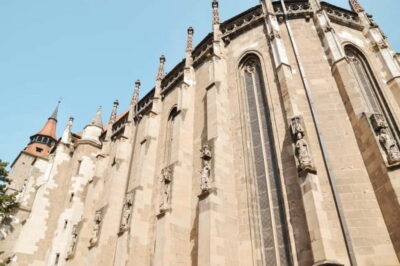
Dracula’s Castle, Peleș Castle & Brașov Day Trip
Read our review →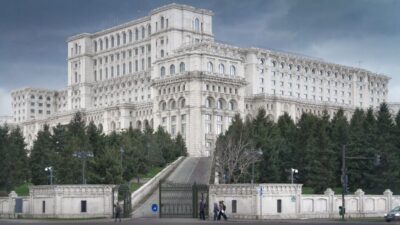
Day Trip to Dracula Castle, Peles Castle & Brașov
Read our review →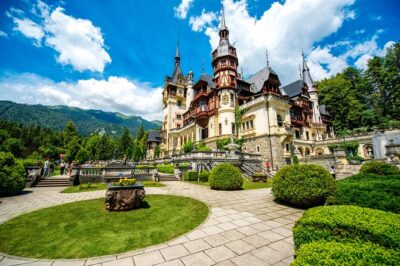
Bucharest to Dracula Castle, Peles Castle and Brasov Guided Tour
Read our review →