
Reviewed · WALKING TOURS
Slavery in Romania,Myths and Truths on Gypsies, Walking Tour
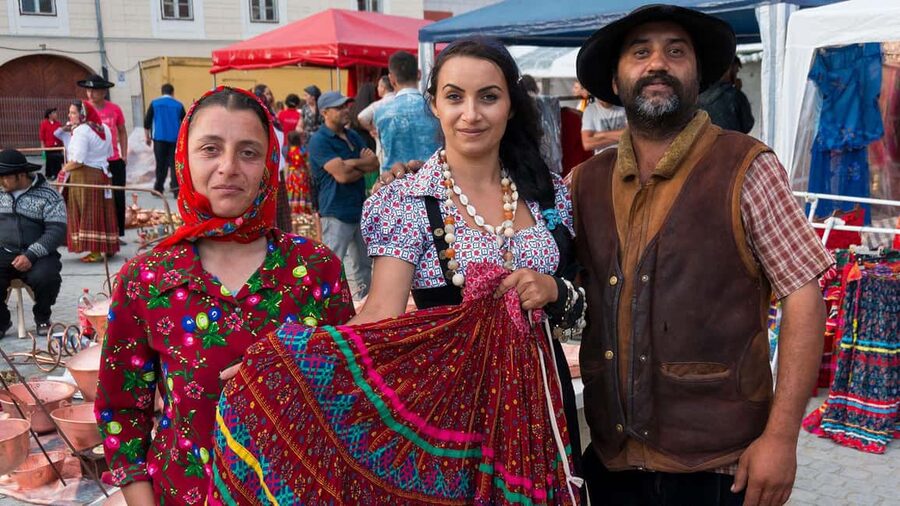
Romania’s Roma story is far more complicated than the stereotypes found in guidebooks. This three-hour Bucharest walk takes you from the site of a former slave market to a Holocaust memorial, then into the city’s communist and modern past. It is a history tour, but also a lesson in how prejudice gets built and passed along.
I like the way the tour connects specific city landmarks to Roma history instead of treating the subject as an abstract lecture. I also like the calm pacing: time to sit, ask questions, use a café, and stop in the shade matters when a serious subject is paired with several hours on foot.
The main drawback is clear: you learn about Roma people, but the walking tour itself does not promise much direct interaction with Roma residents. The optional jewelry workshop at Mesteshukar ButiQ helps address that gap, though it costs extra and adds time.
In This Review
- Key points to know before you book
- Why this Bucharest walk matters
- Starting near Romana Square
- The former slave-market site
- The Romanian Athenaeum and public images
- A café break before Cismigiu Gardens
- Cismigiu Gardens: myths, traditions, and daily life
- The Holocaust Memorial and Romania’s wartime crimes
- Kogălniceanu Square and the communist city
- Revolution Square and modern Bucharest
- Finishing at Mesteshukar ButiQ
- Price, pace, and practical value
- Who should take this tour?
- Should you book it?
- FAQ
- How long is the walking tour?
- Where does the tour start?
- Where does the tour finish?
- What language is the tour in?
- Is the jewelry workshop included?
- What does the tour cover?
- Which Bucharest landmarks are visited?
- Are food and drinks included?
- Can I cancel the booking?
Key points to know before you book
- Former slave-market site: Begin with Romania’s long period of Roma enslavement, an essential part of the country’s past.
- Holocaust Memorial visit: Pause at a major Bucharest memorial connected to the persecution and murder of Roma people.
- More than a city tour: The route uses the Romanian Athenaeum, Cismigiu Gardens, Kogălniceanu Square, and Revolution Square to explain wider Romanian society.
- English-speaking guides: Guides including Daniela, Andreea, and Mihail have led the walk, with a style that combines facts, images, humor, and open discussion.
- Optional craft workshop: Finish at Mesteshukar ButiQ and make jewelry with a Roma craftsman if you select that option.
- Good value at $29: For three hours of guided history, the price is fair, especially if you want more than Bucharest’s usual landmarks.
Why this Bucharest walk matters
Most first visits to Bucharest focus on grand buildings, French-influenced boulevards, communist blocks, and the Palace of Parliament. Those places matter, but they can leave out the people whose lives shaped Romania in less visible ways.
This tour puts Roma history at the center. You will hear about the centuries when Roma people were held in slavery by Romanian princes, monasteries, and landowners. That system ended in the nineteenth century, around the same period when slavery was abolished in the United States, but legal freedom did not erase prejudice, poverty, or the loss of property and social standing.
The tour also covers the Holocaust in Romania. Thousands of Roma people were killed during the persecution and genocide of the Second World War. This is not treated as a footnote. The stop at the Holocaust Memorial gives the subject a physical place in Bucharest and time for reflection.
You will also hear about the communist period and its effects on Roma families. The guide connects political change, housing, property disputes, and continuing discrimination to the city you see today. That wider frame is useful because it prevents the tour from reducing Roma life to either suffering or colorful tradition.
More walking tours in Bucharest:
- Bucharest: City Highlights Guided Walking Tour
★ 4.9 · 1,482 reviews - Bucharest Highlights Walking Tour
★ 5.0 · 469 reviews - Free walking tour of Brasov in English
★ 4.9 · 302 reviews
Starting near Romana Square
The meeting point is the small square in front of Teatrul Ion Creangă, Sala Mare, about a three-minute walk from Piata Romana metro station. This is a practical starting place because the metro makes the meeting point easy to reach from many parts of Bucharest.
The first portion introduces the theme and sets expectations. This is not a standard sightseeing walk with a few stories about famous buildings. You will spend much of the time discussing identity, language, social class, discrimination, and the way public memory is shaped.
The guide may use photographs or other visual material to explain key moments. Andreea, for example, has been praised for making complicated subjects easy to follow, while Daniela’s approach combines historical detail with empathy, candor, and humor. Mihail has also led the tour with a direct, respectful style.
Guide quality matters on a subject like this. A poor guide could repeat stereotypes while claiming to challenge them. The strongest approach here is to explain where myths come from, test them against history, and show how Roma people have shaped their own culture and public identity.
The former slave-market site
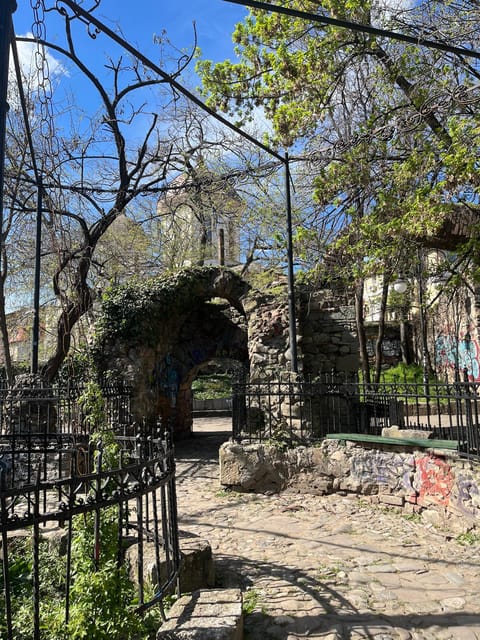
The first major stop is the site of an old slave market. You will not find a preserved market building waiting for you. The value comes from standing in the city and learning what took place there, often beneath the surface of modern Bucharest.
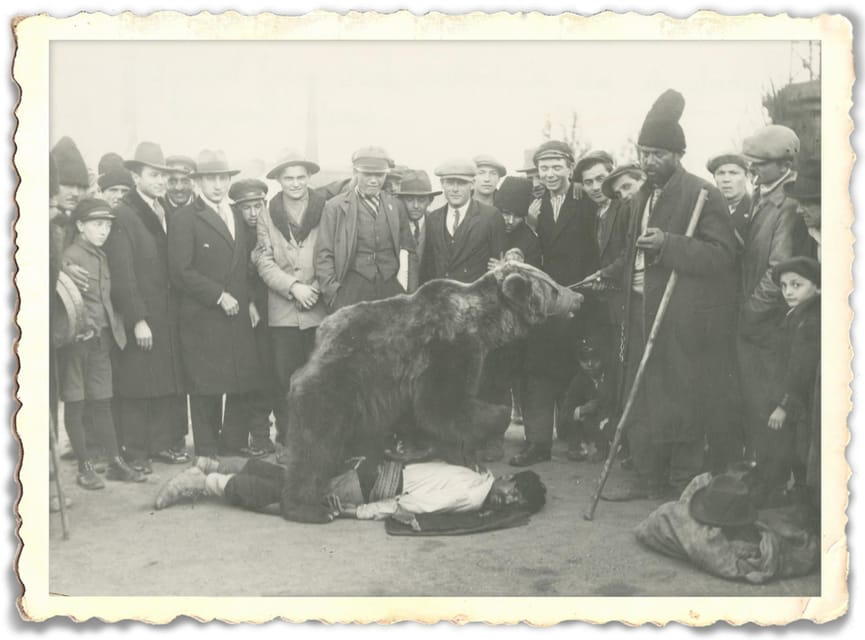
This is a sobering start. Roma people were bought, sold, inherited, and controlled for generations in the Romanian principalities. The guide explains the system and its lasting effects on family identity, trust in institutions, and the way non-Roma society has described Roma communities.
This stop also corrects a common misunderstanding. Roma slavery was not a short episode or a vague form of poverty. It was a legal system of human ownership. Putting that fact at the beginning gives the rest of the walk a stronger foundation.
Allow roughly ten minutes at this early secret stop, though the guide’s explanation may make it feel longer. You are listening more than sightseeing here, so comfortable shoes matter less than an open mind.
The Romanian Athenaeum and public images
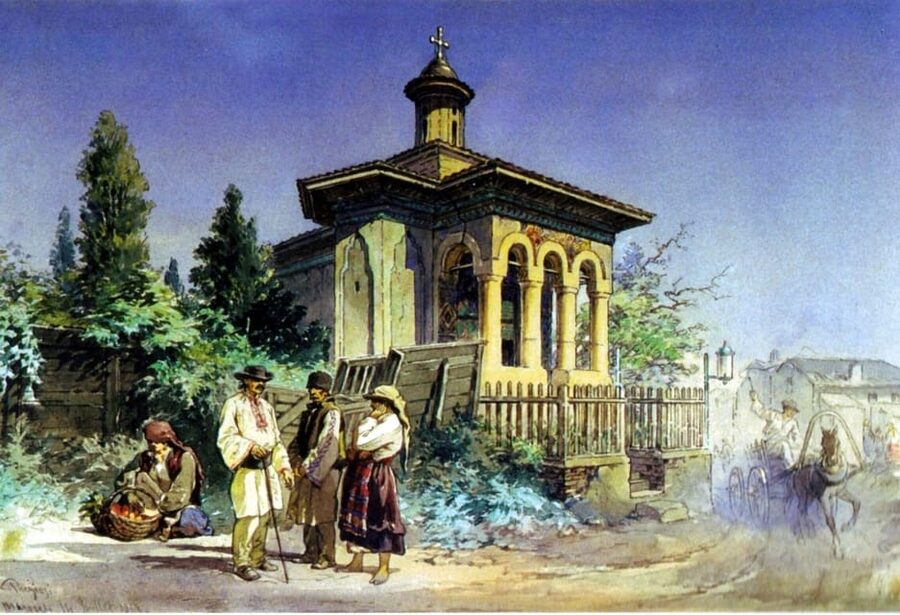
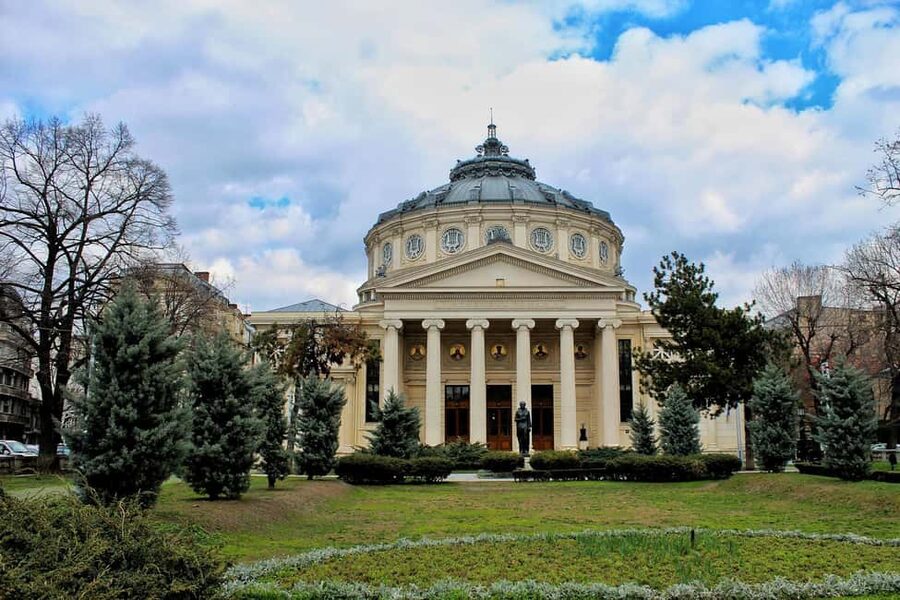
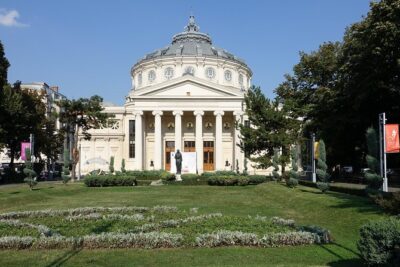
The route passes the Romanian Athenaeum, one of Bucharest’s most recognizable cultural buildings. Its grand architecture represents national pride, education, and the arts.
The building is not presented as a Roma monument. That is precisely why it is useful. The guide can discuss who gets included in national stories and who gets left outside them. Art, music, and public culture have often shaped popular ideas about Roma people, sometimes with admiration, sometimes with caricature.
This part gives the tour a welcome change of pace. You get a famous Bucharest landmark, a chance to look around, and a way to connect cultural institutions with questions of belonging. Expect about fifteen minutes of walking and sightseeing.
The Athenaeum stop also reminds you that Roma culture is not separate from Romanian culture. Roma musicians, craftspeople, and performers have influenced life across the country, even when they have not received equal respect or equal opportunity.
A few more Bucharest tours worth a look
- Bucharest: Dracula’s Castle, Peles Castle, & Brasov Old Town
★ 4.5 · 17,858 reviews - Bucharest: Dracula Castle, Peles Castle & Brasov Old Town
★ 4.6 · 10,891 reviews - Bucharest: Dracula’s Castle, Peleș Castle & Brașov Day Trip
★ 4.5 · 5,919 reviews - Bucharest: Palace of Parliament Tickets and Guide
★ 4.3 · 3,182 reviews
A café break before Cismigiu Gardens
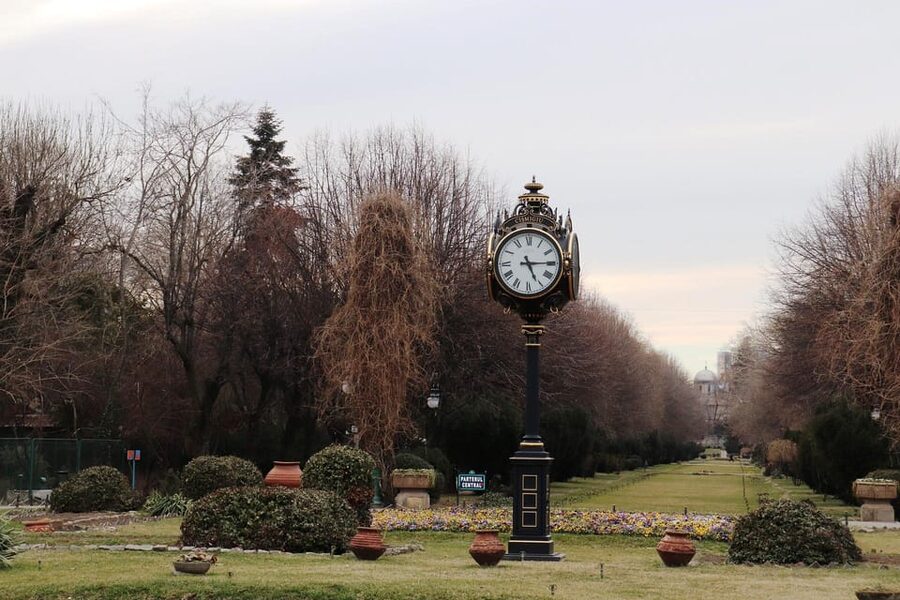
A short stop at a local café gives the group about fifteen minutes to rest, ask questions, and buy food or drinks if needed. Food and drinks are not included, so bring money or plan to purchase something during the break.
This pause improves the tour. Three hours of continuous discussion about slavery, genocide, and discrimination would be tiring. The café break lets you process the information and gives the guide a chance to respond to questions that arise during the first half.
The pace has been described as manageable, with chances to sit and use toilet facilities. On hot days, this matters. One guide has been especially careful to give explanations in the shade and stop for water. Still, Bucharest can be hot, so carry water, wear shoes suited to city pavements, and use sun protection.
Cismigiu Gardens: myths, traditions, and daily life
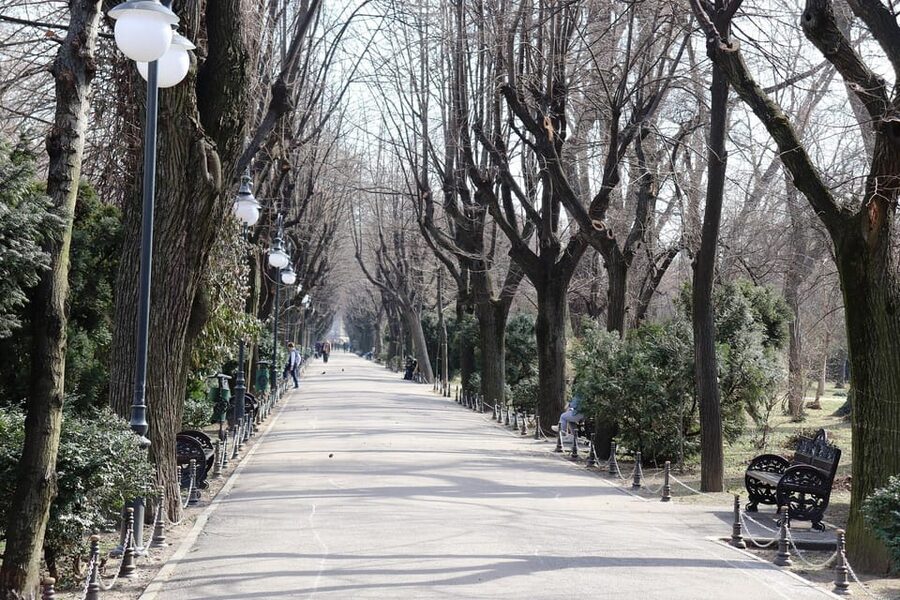
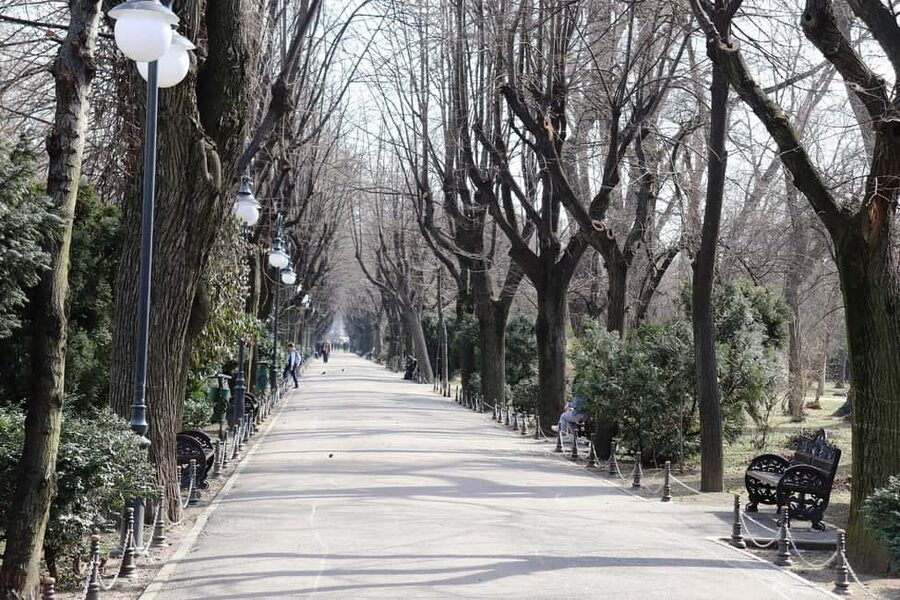
Cismigiu Gardens is Bucharest’s oldest and largest garden, a pleasant change from the central streets. The walk through the park takes about thirty minutes, with guided discussion and sightseeing among the greenery.
This is where the tour turns more directly to Roma traditions and the myths attached to them. You will hear about cultural practices, social customs, and the difference between an internal tradition and an outsider’s stereotype.
A good guide will not pretend that Roma communities are all alike. Roma identity varies by family, language, work, religion, and location. The point is not to memorize a single definition, but to understand why broad labels can be misleading.
The park also offers a quieter setting for questions. If you are worried that the topic may become too academic, this section should help. The guide uses stories, pictures, and humor to keep the discussion grounded. The experience remains serious, but it is not presented as a grim procession from one tragedy to another.
The Holocaust Memorial and Romania’s wartime crimes
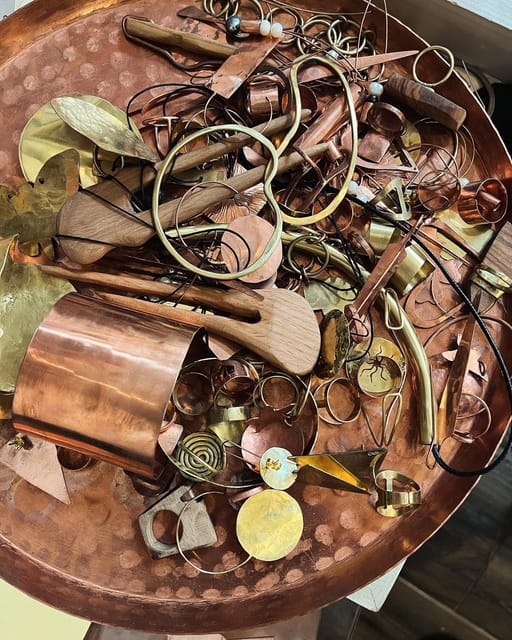
The Holocaust Memorial is one of the most important stops. It is a photo stop and guided visit lasting about fifteen minutes, but the subject deserves your full attention.
Romania’s wartime persecution affected Jewish and Roma communities. Thousands of Roma people were killed, and the memorial gives you a place to confront that history rather than treating it as distant or purely European news.
This part may be emotionally difficult. That is appropriate. The tour does not use the memorial as a dramatic backdrop. Instead, it connects remembrance to the wider problem of denial, silence, and the continued use of old prejudices.
The guide’s tone matters most here. The strongest presentations are clear and respectful, without turning suffering into spectacle. If you want a light sightseeing outing, this stop may feel heavy. If you want to understand Romania honestly, it is essential.
Kogălniceanu Square and the communist city
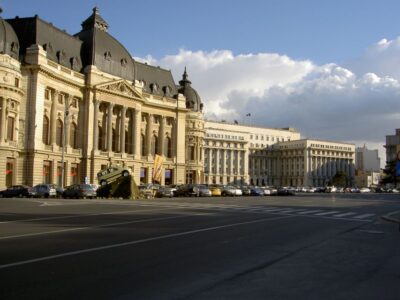
At Piața Kogălniceanu, the route continues into Bucharest’s political and urban past. You will hear about the communist regime and how its policies affected Roma people.
The discussion can include housing, work, property ownership, and the difficult changes that followed the war and later political transitions. Some run-down buildings in Romania cannot be understood simply as signs of neglect. Ownership disputes and past state policies also play a part.
This is one of the tour’s useful features: it connects Roma experience to the same political forces that shaped every Romanian family, while showing that Roma people often faced extra barriers. You are not asked to view the community as an isolated group. You see it within the country’s larger story.
Expect about ten minutes here, with more walking and explanation than a formal stop. The route keeps moving, which helps the material remain connected to the streets around you.
Revolution Square and modern Bucharest
The walk passes Revolution Square for about fifteen minutes. This area is closely linked with Romania’s political upheaval and the end of communist rule.
The stop broadens the conversation again. Romania changed sharply after communism, but social attitudes do not change as quickly as governments. The guide explains how old assumptions about Roma people can survive through political systems, media, education, and everyday behavior.
You will also hear stories of resilience. These are not feel-good tales used to soften difficult history. They show how Roma families and communities have adapted, protected traditions, built livelihoods, and taken part in Romanian society despite exclusion.
The route’s strength is its range. In three hours, you move from slavery to cultural identity, from Holocaust memory to communism, and from public monuments to present-day prejudice. It is a lot of ground, but the breaks and visual examples help.
Finishing at Mesteshukar ButiQ
The listed finish is Mesteshukar ButiQ, often called MBQ, an organization connected with Roma craft and design. You can choose an optional jewelry workshop, where an authentic Roma craftsman helps you make your own piece.
This add-on gives the tour a practical ending. Instead of leaving only with historical facts, you have the chance to see craft as work, cultural expression, and a source of income. The workshop is especially suitable if you enjoy hands-on activities or want a small, meaningful souvenir.
The jewelry workshop and transportation are included only when you select that option. Food and drinks remain separate. The workshop may also make the total experience longer than the three-hour walking portion, so check the available option when booking.
One limitation remains: the walking tour itself does not guarantee conversation with Roma community members. The craft workshop provides a more direct connection, but you should choose it because you want the activity, not as a promise of personal access to a whole community.
Price, pace, and practical value
At $29 per person, this is reasonably priced for a three-hour guided walk in central Bucharest. You are paying for specialist subject matter, an English-speaking guide, and a route that combines history with major city landmarks.
The value is strongest if you already know the usual Bucharest sights and want a more serious understanding of Romania. It is also a good first-day choice if you want the city’s monuments to make more sense.
The tour is less useful if your main goal is photography, architecture, or a quick overview of Bucharest. Several stops are pass-bys, and the important information often comes through the guide rather than through a grand physical attraction.
The format is in English only. Starting times vary, so check availability. Free cancellation is available up to twenty-four hours before the tour, and you can reserve now and pay later. Those policies are useful if your Bucharest plans are still shifting.
Who should take this tour?
I would recommend it to adults and older teenagers who want history presented plainly and with care. It suits people interested in minority rights, public memory, Romanian politics, social history, and the relationship between culture and prejudice.
It is also a strong choice for anyone who has heard the word Gypsy used as a catch-all label and wants to understand why Roma identity is more complex. The guide addresses myths directly without turning the tour into a scolding exercise.
Families with younger children may find the slavery and Holocaust sections difficult. The tour is not designed as a child-focused activity, and the serious content should be considered before booking.
If you prefer to learn through conversation, this is a good fit. Guides have been praised for clear communication, patience, humor, and careful pacing. Some use images and music links to extend the subject after the walk, including folkloric and manele music.
Should you book it?
Book this tour if you want to understand Bucharest beyond its grand buildings. Its best qualities are the strong guides, the carefully chosen historical stops, and the willingness to discuss slavery, genocide, communism, and current prejudice in one connected story.
Skip it if you want only a relaxed city stroll or if you expect extensive direct contact with Roma residents. If you have the time and interest, add the jewelry workshop. It gives the experience a more practical and personal finish.
For $29, this is a thoughtful use of three hours. You leave with a clearer sense of Romania’s past and a better chance of seeing its present without relying on easy myths.
FAQ
How long is the walking tour?
The tour lasts three hours. Check availability for the starting times offered on your chosen date.
Where does the tour start?
Meet in the small square in front of Teatrul Ion Creangă, Sala Mare. It is about a three-minute walk from Piața Romana metro station.
Where does the tour finish?
The listed finish is Mesteshukar ButiQ, also referred to as MBQ. The meeting information also describes the activity as ending back at the meeting point, so confirm the final arrangement when booking.
What language is the tour in?
The live guided tour is offered in English.
Is the jewelry workshop included?
The jewelry workshop is optional. It is included only if you select the workshop option, which also includes transportation connected with that option.
What does the tour cover?
It covers Roma slavery in Romania, Roma culture and traditions, myths and prejudice, the Holocaust in Romania, communism, and the role of Roma people in wider Romanian society.
Which Bucharest landmarks are visited?
The route includes the former slave-market site, the Romanian Athenaeum, Cismigiu Gardens, the Holocaust Memorial, Piața Kogălniceanu, and Revolution Square.
Are food and drinks included?
No. Food and drinks are not included. There is a fifteen-minute break at a local café.
Can I cancel the booking?
You can cancel up to twenty-four hours in advance for a full refund. A reserve-now-and-pay-later option is also available.
Recently added around Bucharest
- 6h Communism Tour in Bucharest with Ceausescu Mansion★ 4.5 · 6 reviews
- From Bucharest : Day Trip to Peles, Dracula’s Castle, Brasov★ 4.7 · 6 reviews
- Bears Sanctuary, Dracula Castle and Brasov City – Full Day Trip from Bucharest★ 5.0 · 6 reviews
- Dracula Private Tour★ 5.0 · 6 reviews
- Transfagarasan Road Private Day Trip from Bucharest / The Best Road in the World★ 5.0 · 6 reviews
- Bucharest : Wednesday, Dracula & Peles 3 Castles Tour 1 Day★ 4.7 · 6 reviews
- Hiking thought the best mountain villages in Romania-Private tour from Brasov★ 5.0 · 6 reviews
- Bucovina Painted Monasteries & Transylvania Tour: 4-Day Private★ 5.0 · 6 reviews
Walking Tours, compared.
Ghost Stories & Romanian Mythology Walking Tour
Read our review →

4h Bucharest Private Tour (2h by Car and 2h Walking in Old Town)
Read our review →
Browse the lists this tour appears in