Reviewed · PRIVATE
Bucharest: Charm of the Belle Époque Private Tour
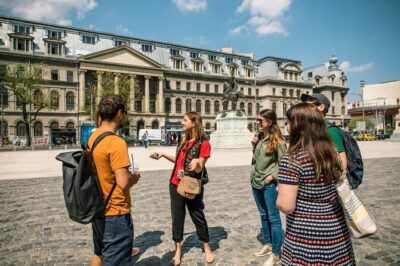
Bucharest’s Belle Époque story comes alive along Victory Avenue, where palaces, music halls, restaurants, and old shops reveal how the city once looked westward while keeping its Romanian character. The route then moves into the Old City, with cobblestones, cafes, former inns, and buildings that still carry the mood of another age.
I like the private format because you can ask about the buildings that catch your eye instead of following a fixed group routine. I also like the guide-led storytelling, especially the attention given to social life: balls, fashion, music, cabarets, jockey clubs, and secret love letters.
The main consideration is time. Four hours is enough for a strong introduction, but not for a close visit to every interior along the route. Much of the experience is an outdoor walking tour, so comfortable shoes and sensible weather clothing will make a difference.
In This Review
- Key points to know before booking
- Bucharest’s Belle Époque story begins on Victory Avenue
- Palaces, music, and the social world behind the facades
- Architectural styles you can actually compare
- From the grand boulevard into the Old City
- Former cabarets, theaters, dance halls, and beer houses
- What the private format changes
- Is $104 per person a fair price?
- Who will enjoy this tour most?
- Practical details for a smoother four hours
- Should you book the Belle Époque private tour?
- FAQ
- How long is the Bucharest Belle Époque tour?
- What areas does the tour visit?
- Is the tour private?
- Is hotel pickup included?
- What languages are available?
- Are meals or snacks included?
- Is the tour wheelchair accessible?
- Can I cancel for a full refund?
Key points to know before booking
- Victory Avenue is the main thread: See Bucharest’s grandest central boulevard, often compared with the Champs-Élysées.
- The tour links architecture with people: Learn how nobles, artists, composers, merchants, and royal circles shaped the city.
- The Old City brings a different mood: Cobblestone lanes, old street lamps, cafes, bistros, lounges, inns, and beer houses follow the grand boulevard.
- Expect a private four-hour experience: Hotel pickup and drop-off by car are included, with an English or Romanian speaking guide.
- The storytelling has a personal touch: Guides named Michael and Emma were praised for their city knowledge, warmth, and engaging stories.
- The price reflects privacy: At $104 per person, the value is strongest when you want flexible attention rather than a large shared group.
Bucharest’s Belle Époque story begins on Victory Avenue
The best way to understand this tour is as a walk through Bucharest’s turning point. In the late 19th century, the city enjoyed a period of peace, prosperity, and cultural growth known as the Belle Époque. Bucharest sat between Western Europe and the East, and its buildings reflected that position.
King Carol I played a major role in pushing the capital toward a more European style. His family ties to Napoleon III and Wilhelm I helped strengthen those links, while architects and artists brought new ideas into the city. The result was a mix of Neoclassical, Art Nouveau, Baroque, Byzantine, and local Brancovenesc design.
I like this approach because it keeps the architecture from becoming a parade of names and dates. You are not simply told that a building is old or pretty. You learn what sort of people used it, what cultural changes it represented, and why Bucharest earned the nickname Paris of the East.
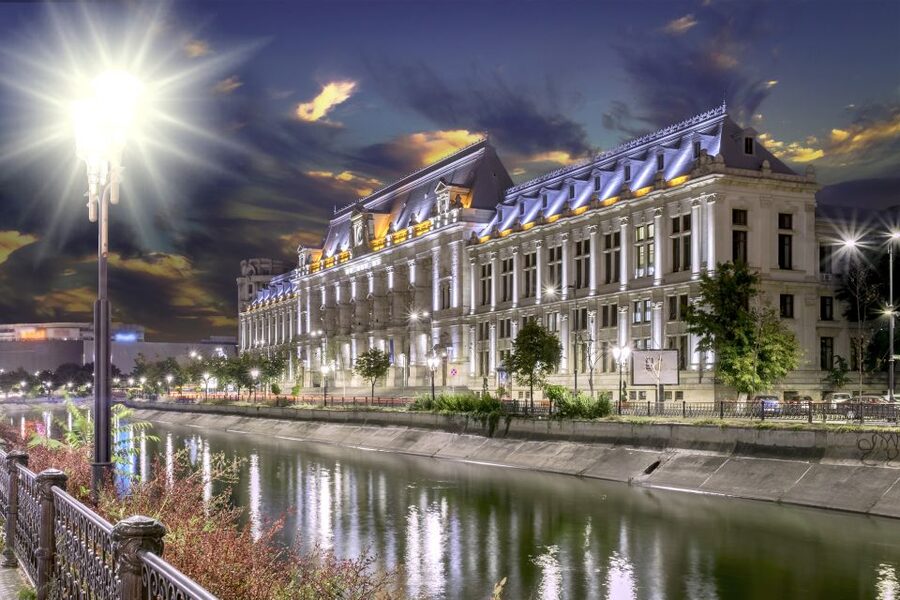
Victory Avenue is the natural place to begin. It is often described as Bucharest’s most charming street, and it gives you a compact view of the city’s old ambitions. Along the route, you can see grand public buildings beside former meeting places for artists, aristocrats, and fashionable shoppers.
The boulevard is also useful for first-time visitors because it connects several important parts of the city. Rather than treating each sight as an isolated stop, the guide builds a chain of stories. That makes it easier to understand how music, royal life, commerce, and dining fit together.
A few more Bucharest tours worth a look
- Bucharest: Dracula’s Castle, Peles Castle, & Brasov Old Town
★ 4.5 · 17,858 reviews - Bucharest: Dracula Castle, Peles Castle & Brasov Old Town
★ 4.6 · 10,891 reviews - Bucharest: Dracula’s Castle, Peleș Castle & Brașov Day Trip
★ 4.5 · 5,919 reviews
Palaces, music, and the social world behind the facades
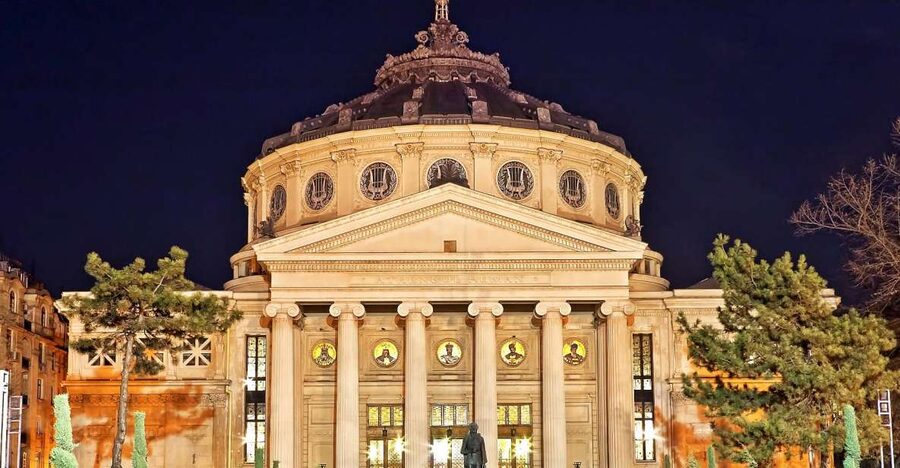
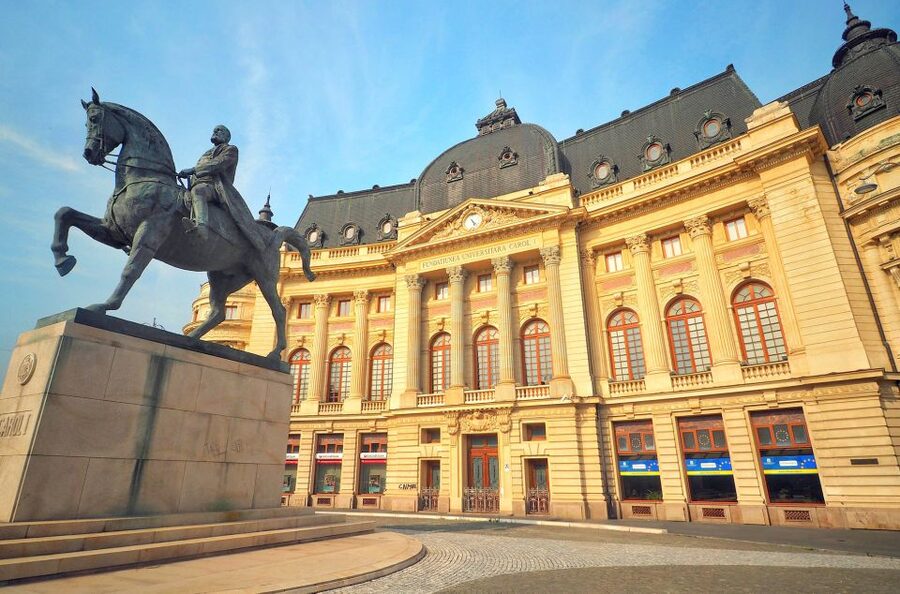
One of the strongest parts of the experience is the attention to buildings linked with Bucharest’s high society. The route includes the palace of one of the 20th century’s most famous composers, the Romanian Athenaeum, the former Royal Palace, Capsa Restaurant, and the former Lafayette Galleries.
Each place points to a different part of city life.
The Romanian Athenaeum represents Bucharest’s musical ambitions. It is more than a handsome concert hall. Its presence on the route helps explain the cultural confidence of a capital that wanted to be taken seriously in European circles.
The former Royal Palace brings the story back to the monarchy and the public image of the city. This is where the guide can help you connect architecture with power. A palace tells you something about royal life, but it also tells you how a nation wanted to present itself.
Capsa Restaurant adds a more social, less official note. It was a meeting place for noblemen and artists, making it an ideal stop for discussing the people who gave the city its reputation for wit, fashion, and culture. The value here is not only the building itself. It is the glimpse into where influential people met, talked, and watched one another.
The former Lafayette Galleries point toward fashion and consumer culture. The name evokes Parisian style arriving in Bucharest, giving you a sense of how quickly European tastes could travel. This stop helps explain why the capital was not merely copying the West. It was adapting outside ideas to its own social setting.
The exact amount of time spent at each building can vary, since this is a private tour rather than a museum visit with a fixed timetable. You should expect exterior viewing and interpretation along the route. If a particular building matters to you, tell the guide early so the conversation can give it proper attention.
Architectural styles you can actually compare
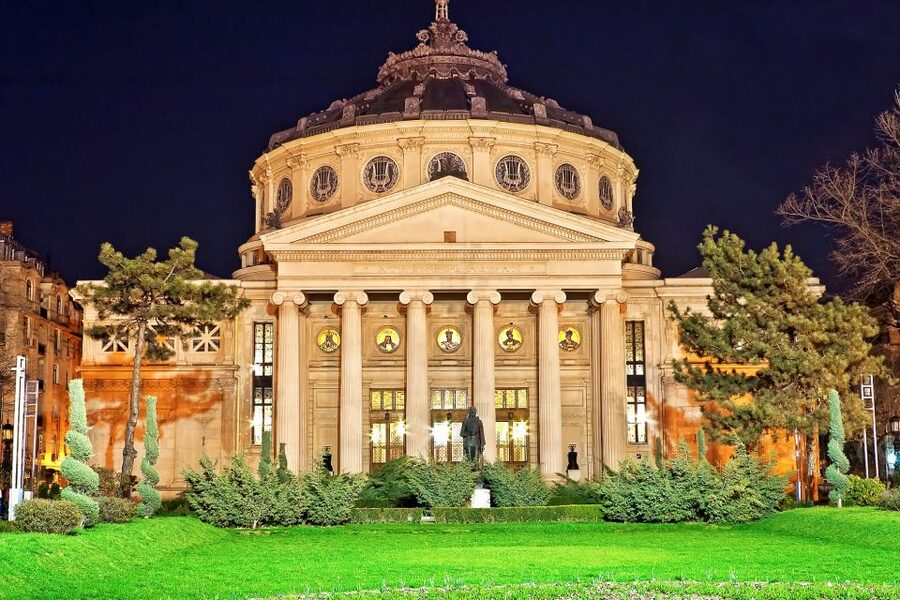
Bucharest’s old center is especially interesting because no single style dominates. You can look from one facade to the next and see Neoclassical order, Art Nouveau decoration, Baroque curves, Byzantine references, and Brancovenesc details shaped by local Romanian traditions.
That mixture is one reason a guide adds value. Without context, it can be hard to tell whether a building’s shape reflects a religious influence, a royal preference, a fashionable European trend, or a Romanian design tradition. A live guide can point out those contrasts as you walk.
The Brancovenesc style is particularly important because it gives the city a local voice. Bucharest’s Belle Époque buildings were influenced by Paris and other European capitals, but they were not simply foreign imports. Local forms and details remained part of the picture.
I would pay attention to the smaller clues rather than only the grand facades. Look for decorative details, changes in proportion, and the way older buildings sit beside later additions. The tour is designed to help you read the city, not just photograph it.
This is also where the four-hour length works well. You have enough time for a connected explanation without committing to an entire day of sightseeing. If you have just arrived in Bucharest, the route can give you a useful framework for exploring the center on your own afterward.
From the grand boulevard into the Old City
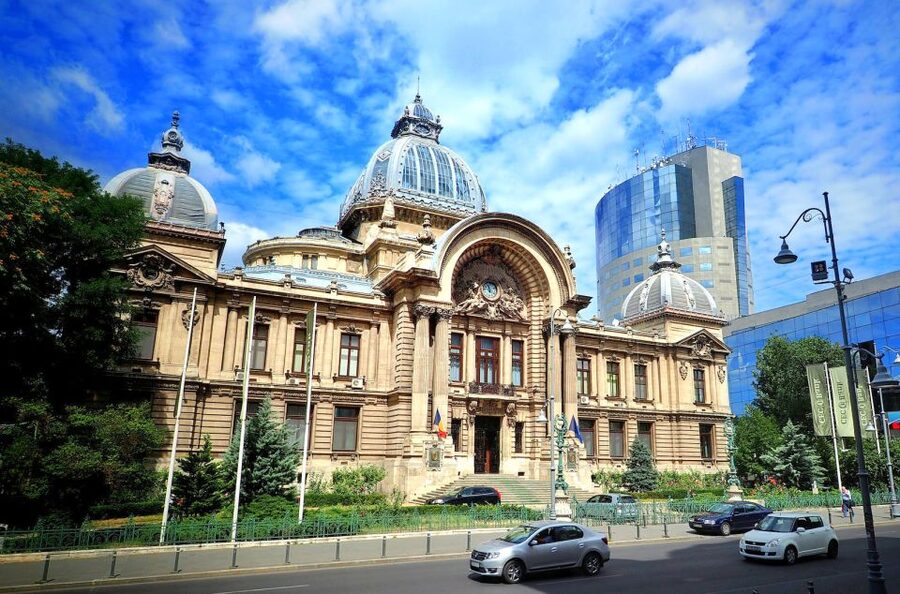
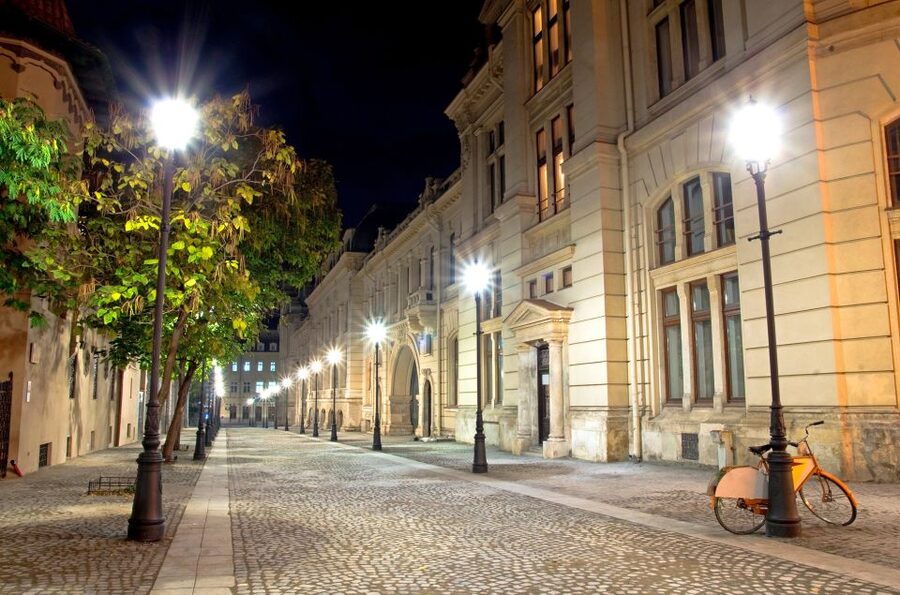
After Victory Avenue, the experience moves into Bucharest’s Old City. The atmosphere changes quickly. Instead of a broad ceremonial boulevard, you get a large pedestrian area with cobblestone streets, old street lamps, cafes, bistros, lounges, and buildings dating back to the 18th century.
This part of the route is less about official institutions and more about everyday social life. The Old City is where the Belle Époque story becomes easier to picture. You can imagine people meeting for food, music, conversation, business, or romance in buildings that still support modern city life.
The old streets are described as charming and elegant, but you should also expect an active entertainment district. The area is not a preserved museum frozen in one period. It continues to function as a place for dining and nightlife, with new businesses operating inside old structures.
That contrast is useful. You can see how Bucharest’s past survives through adaptation rather than perfect preservation. An 18th century house may now contain a cafe or lounge, while an old inn or beer house can continue a tradition that reaches back a century.
The cobblestones may be uneven, so comfortable shoes are wise. The tour is listed as wheelchair accessible, but anyone with specific mobility needs should still confirm the route details with the provider before booking, especially since historic streets and building entrances can vary.
A different side of the city, same short trip:
- Bucharest: Palace of Parliament Tickets and Guide
★ 4.3 · 3,182 reviews - Bucharest: Day Trip to Dracula Castle, Peles Castle & Brașov
★ 4.4 · 3,049 reviews - Bucharest to Dracula Castle, Peles Castle and Brasov Guided Tour
★ 4.5 · 2,933 reviews - Bucharest: Palace of Parliament Tickets and Guided Tour
★ 4.4 · 1,877 reviews
Former cabarets, theaters, dance halls, and beer houses
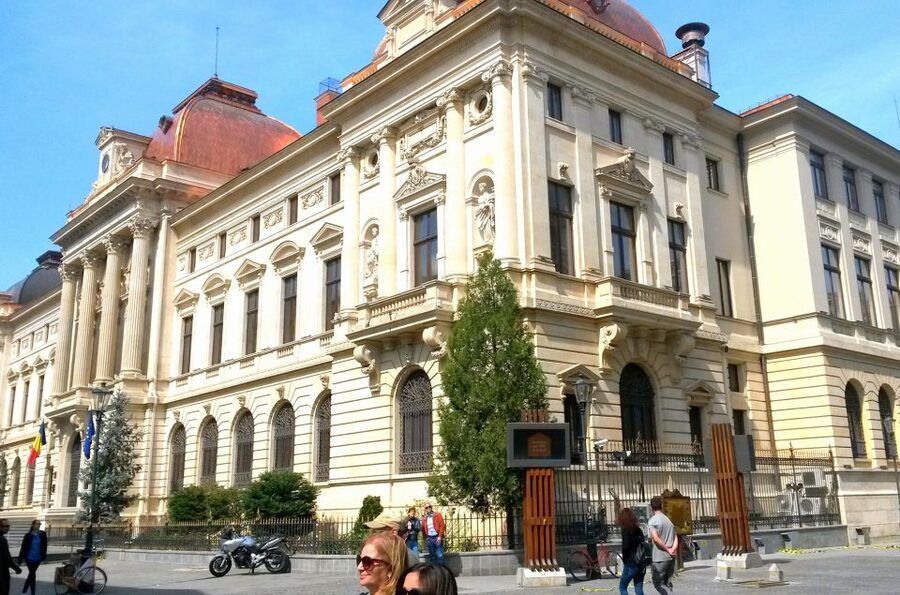
The Old City section is at its best when the guide explains what took place inside these buildings. Some former venues were cabarets, theaters, or dance halls. Others continue older traditions as inns and beer houses.
This is the part that gives the tour its human scale. Grand palaces explain official power, but entertainment halls explain how people spent their evenings. The references to tango, Charleston, balls, fringed dresses, jockey clubs, and secret love letters give the period a lively social texture.
You are not being asked to admire an abstract architectural style. You are being shown a city where fashion, music, romance, and status all played out in public spaces. That makes the Belle Époque easier to imagine, even when the buildings have changed use.
Food is not included, so do not book this expecting a tasting tour. You may pass restaurants, cafes, inns, and beer houses, but the supplied details do not promise a meal or snack. If you want to eat in the Old City afterward, the route places you in a practical area for continuing your evening, but the tour itself remains focused on history and architecture.
What the private format changes
A private group gives this experience a different pace from a standard city walk. You receive hotel pickup and drop-off by car, and the guide can shape the conversation around your interests. That matters in Bucharest, where one person may care most about royal buildings while another wants stories about composers, cafes, or old entertainment venues.
You can also ask for clarification without worrying about holding up a large group. If a style, name, or historical connection is unfamiliar, you can stop and ask. That sort of exchange is often where a city tour becomes genuinely useful.
The guide quality matters a great deal here because the experience depends on narration as much as movement. Michael led one highly rated tour and was praised for the stories behind the buildings and for broader information about Romania. Emma was described as personable and well informed about Bucharest and the country.
Those comments point to the right expectation. You are booking a local guide who interprets the city, not simply a driver who points out landmarks. The tour is available in English or Romanian, so choose the language that lets you ask questions comfortably.
Pickup is included. For a hotel, you wait in the lobby near reception. For an apartment, you wait downstairs in front of the accommodation. That is a small but useful detail, particularly in a city where apartment entrances can be less obvious to a pickup driver.
Is $104 per person a fair price?
At $104 per person, this is not the cheapest way to see Bucharest. The price makes more sense if you value a private group, door-to-door transport, and four hours with a guide who can explain the city in detail.
For a solo visitor, the cost may feel high because the private rate is not spread across a large group. For two or more people, the calculation becomes more reasonable, especially if you would otherwise pay separately for transport and a shorter shared walk.
The strongest value comes from the combination of several services:
- Hotel pickup and drop-off by car
- A four-hour private route
- A live guide in English or Romanian
- A connected story covering architecture, royalty, culture, fashion, and nightlife
- Time in both Victory Avenue and the Old City
Meals are not included, so budget separately for food. You are paying for interpretation and convenience rather than entrance tickets or dining.
I would choose this tour early in a Bucharest stay, especially if you want a clear introduction before exploring alone. It can also suit a return visit if your first look at the city focused on the communist era or modern Bucharest and you now want its older cultural side.
Who will enjoy this tour most?
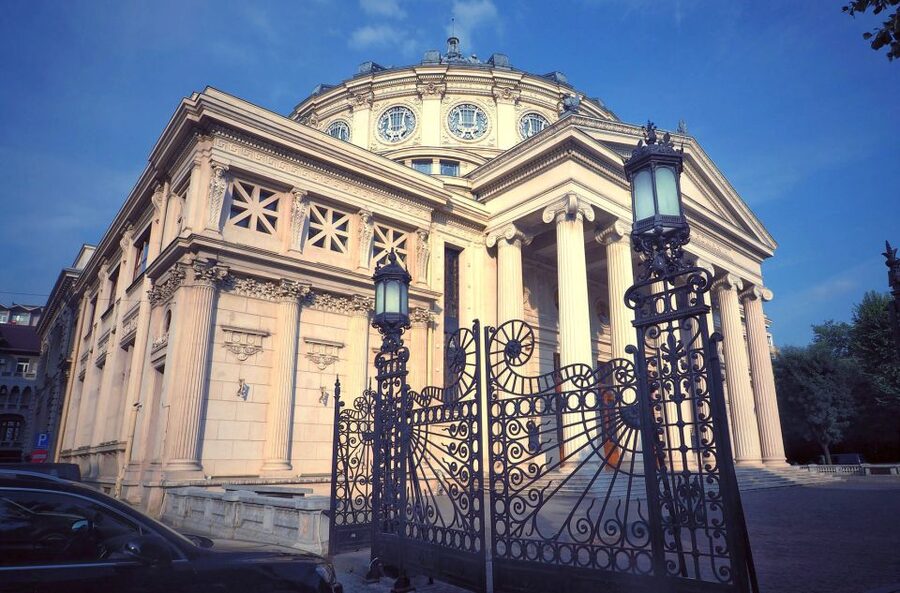
This experience fits you best if you enjoy architecture but want more than a list of building names. It is also a good match if you like social history, royal stories, old cafes, cultural life, and the way cities change over time.
Couples and families may appreciate the private setting, since the pace can be more relaxed and questions are easier. It can also work well for a small group with mixed interests because the guide can move between design, music, fashion, food, and politics.
You may want a different experience if your main goal is entering many museums or spending long periods inside individual buildings. The tour description centers on walking, sightseeing, and storytelling along the streets. Four hours gives you breadth, but not an exhaustive interior tour.
The same applies if you want a food-focused visit. You will see places associated with old dining and drinking traditions, but meals and snacks are not part of the price.
Practical details for a smoother four hours
Wear shoes that handle cobblestones and bring clothing suited to the weather. The route includes pedestrian streets and outdoor sightseeing, so comfort matters more than dressing up for the Belle Époque.
Keep your camera ready, but do not let photographs replace the explanations. The best part of the route is the connection between buildings and the people who used them.
Tell your guide if you have a special interest in music, royal history, architecture, fashion, or old Bucharest nightlife. Since the group is private, your questions can help shape the emphasis.
The tour accepts cancellation up to 24 hours before the start for a full refund, and you can reserve now while paying later. That flexibility is useful if your Bucharest plans are still changing.
Should you book the Belle Époque private tour?
Book it if you want Bucharest explained through its old boulevard, royal buildings, music halls, restaurants, shops, and entertainment venues. The strongest features are the private attention, hotel transport, and the way the guide connects handsome facades with real social life.
I would be especially inclined to book if you have four hours available and prefer a thoughtful introduction over a quick checklist of sights. Michael and Emma’s praised personal approach is a good sign for the kind of guide-led experience on offer.
Skip it if you want a museum-heavy day, included food, or extensive time inside every landmark. At $104 per person, the tour earns its price through privacy and storytelling. For someone who wants to understand why Bucharest was called the Paris of the East, that can be a worthwhile trade.
FAQ
How long is the Bucharest Belle Époque tour?
The tour lasts four hours.
What areas does the tour visit?
It follows Victory Avenue and continues through Bucharest’s Old City.
Is the tour private?
Yes. The activity is offered for a private group.
Is hotel pickup included?
Yes. Pickup and drop-off by car are included. At a hotel, wait in the lobby near the reception desk. At an apartment, wait downstairs in front of the accommodation.
What languages are available?
The live guide is available in English or Romanian.
Are meals or snacks included?
No. Meals and snacks are not included in the price.
Is the tour wheelchair accessible?
Yes. The activity is listed as wheelchair accessible.
Can I cancel for a full refund?
Yes. You can cancel up to 24 hours in advance for a full refund.
Recently added around Bucharest
- From Bucharest: Discovery at Europe’s Largest Salt Mine★ 5.0 · 3 reviews
- RiverCruise Exclusive – Private Transfer from or to Giurgiu Port/Bucharest Hotel★ 3.5 · 3 reviews
- Cluj Napoca: Climbing or Hiking Experience in Turda Canion★ 5.0 · 3 reviews
- Private-Red Patrol Bucharest Flea Market Tour with a Romanian car★ 5.0 · 3 reviews
- Bucharest: City Highlights Guided Walking Tour★ 5.0 · 3 reviews
- Probably the Best Restaurant and Wine Cellar near Bucharest★ 4.5 · 3 reviews
- Private 8 Day Romania UNESCO Tour★ 5.0 · 3 reviews
- Bucharest Private Airport Transfer★ 4.5 · 3 reviews
Private, compared.

Castles of Transylvania: Private Day Trip from Bucharest
Read our review →
Dracula’s Castle, Peles Castle and Brasov – Private Day Trip from Bucharest
Read our review →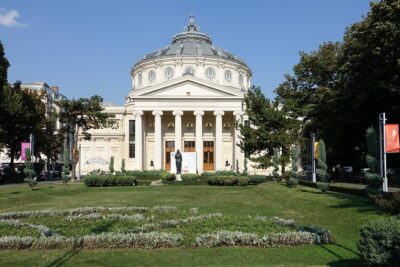
Bucharest Panoramic Sightseeing – Private City Tour
Read our review →
THERME “Take It Easy” Pack: Full Spa Access + Private Transfers
Read our review →
Piatra Craiului National Park Private Hiking Tour from Brasov
Read our review →
4h Bucharest Private Tour (2h by Car and 2h Walking in Old Town)
Read our review →